The belief that's blocking you both
Let's name what's actually happening here. Your partner isn't worried that a toy will feel better than them. That's the stated concern, but it's not the real one. What they're really hearing is: "What you do for me isn't enough." That lands like criticism. And criticism about sex hits different than criticism about anything else.
Here's the thing though. That belief—that introducing a lemon vibrator or any clitoral vibrator means you're saying no to them—is based on a misunderstanding of how pleasure works. And that misunderstanding is absolutely worth untangling, because on the other side of it is often the best sex a couple has had in years.
What your partner actually fears
In my practice, I've sat with hundreds of couples working through exactly this conversation. The resistance almost never comes from a place of logic. It comes from these three places:
1. Replacement anxiety. The belief that toys are upgrades, not tools. That if you're reaching for a lemon vibrator, you're eventually reaching away from them.
2. Inadequacy. The internalized idea that "real" lovers don't need anything except each other's bodies. Anything else feels like failure.
3. Loss of control. Sex with toys introduces variables your partner can't predict or manage. That feels risky when intimacy already feels fragile.
None of these fears are stupid. They're rooted in real vulnerability. But they're also based on false premises about what toys actually do in a relationship.
The science that changes minds
Here's what research actually shows. People who use sex toys report higher sexual satisfaction, higher relationship satisfaction, and increased communication with partners. Not instead of partners. With partners. That's not coincidence.
When you introduce a lemon clitoral vibrator into shared sex, you're not adding competition. You're adding data. Your body gets to show your partner exactly what feels best, in real time. Your partner gets to watch, to participate, to learn. That's not distance. That's collaboration.
The orgasms that come from clitoral vibrators are often more intense, more reliably achieved. Which means less performance anxiety for everyone. Your partner doesn't have to wonder if they're "doing it right." You don't have to fake satisfaction or wonder if something's wrong with you. You both get to know, clearly, what works.
That's not anti-intimacy. That's the opposite.
How to introduce this without the blowup
Timing matters. Don't have this conversation during sex or right before. Don't have it when either of you is stressed or defensive. Pick a calm moment, maybe over coffee, and frame it this way.
Start with curiosity, not advocacy. "I've been thinking about us and what we both want from sex. I'm wondering if we could explore something together. No pressure, just exploring."
Name the specific benefit. "I think trying a lemon vibrator could help me feel more sensation. And honestly, I think it might help us both relax more, because I wouldn't be in my head wondering if I'm going to finish."
Invite them in. "This wouldn't be something I do alone in a corner. I want you involved. I want to show you what feels good and have you be part of that."
What you're doing here is reframing the toy from "replacement" to "bridge." You're saying: this is a tool that helps me feel more, which means I'm more present, more responsive, more here with you.
The actual introduction (if they say yes)
Don't ambush them. The first time you use a lemon vibrator should not be a surprise introduction mid-sex. Talk about it beforehand. Get them curious.
Start slow. Use it solo while they're in the room, not touching you. Let them watch. Ask them what they notice. Ask them what they're feeling. This removes the mystery and replaces it with participation.
When you're both ready, use the vibrator while they touch you elsewhere. Your partner plays with your breasts, kisses your neck, while you or they use the lemon vibrator on your clitoris. This keeps them integrated into the experience. They're not watching from the sidelines. They're part of the triangle.
Many people find that this actually intensifies connection. Your partner gets to feel you respond to pleasure more dramatically. You get to relax into sensation instead of working so hard. The sex often becomes longer, messier, more present.
What to say if they're still resistant
If after honest conversation your partner still refuses, here's what that usually means: this isn't really about the toy. This is about something deeper. Control, fear of aging, feeling replaced in some other area of the relationship, or past wounds about sex and adequacy.
That's worth addressing directly. Not with a lemon vibrator. With a real conversation, ideally with a couples therapist. A sex toy doesn't solve relationship problems. But relationship problems absolutely do prevent you from exploring pleasure together.
If they refuse and you feel resentful, that's information too. You get to decide what you need from your sex life, and whether a partner who won't explore with you can meet you there. That's not dramatic. That's honest.
The bridge between belief and experience
I've watched couples come back weeks later and say: "We didn't think we'd ever use that thing together. Now we can't imagine sex without it." Not because the toy is magic. But because the toy created permission. Permission to talk about what actually feels good. Permission to stop performing and start experiencing. Permission to want more than what you've been taught is "enough."
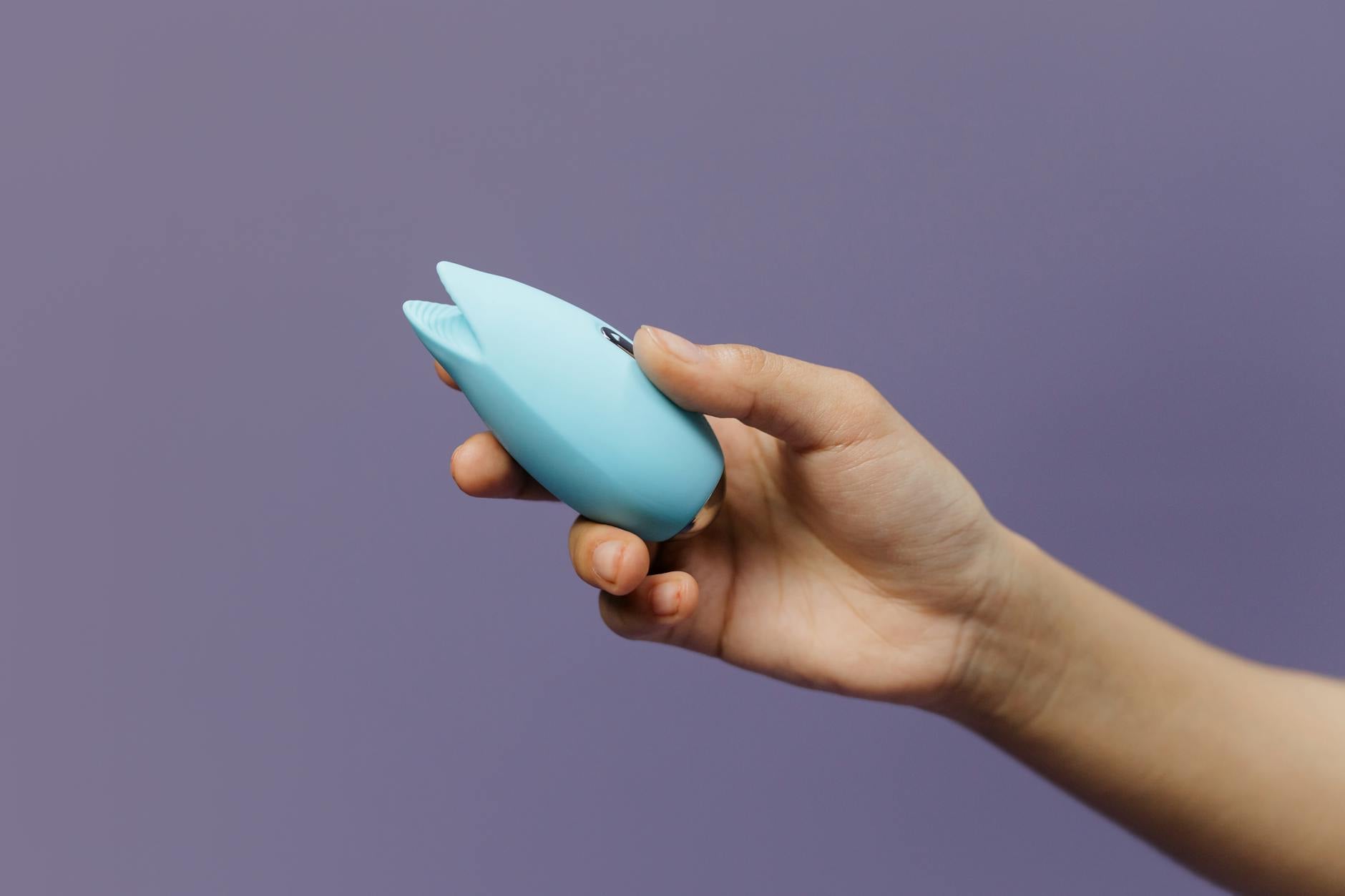
A lemon vibrator is just silicone and battery. What it actually does is open a conversation you've been afraid to have. And that conversation, once it starts, tends to improve everything.

Photo by cottonbro studio on Pexels
FAQ: The questions couples actually ask
Why does my partner feel threatened by a toy when they don't feel threatened by other tools?
Sex is where we consolidate identity, competence, and belonging. Other tools don't touch those areas the way sex does. A vibrator isn't just a vibrator. It's implicitly making a statement about pleasure, satisfaction, and whether your partner is enough. That's why the resistance feels personal even when it's not.
Can using a lemon vibrator together actually improve our sex life long-term?
Yes. When both partners are genuinely willing, introducing toys often reduces performance anxiety, increases communication, and creates novelty that reignites desire. But "both partners willing" is key. If one partner feels coerced or resentful, it backfires. The tool matters less than the mindset.
What if my partner wants to use a toy on me but I feel weird about it?
That's different territory, but same principle applies. Your feelings aren't wrong. Start by asking what appeals to them about it. Are they curious? Do they want to give you more pleasure? Do they want to feel more involved? Once you understand the motivation, you can usually find a version that works for both of you.
Is it normal for couples to need toys after years together?
Completely normal. Desire naturally shifts over time. Bodies change. Hormones fluctuate. What worked at 25 might not work at 40. Curiosity about new sensations isn't a sign of failure. It's a sign of being awake to your own pleasure.
My partner said yes but they seem uncomfortable during sex. What now?
Pause and check in. "I notice you seem tense. Do you want to keep going or take a break?" Don't push through. If they're uncomfortable, the experience teaches them that toys are awkward, not that they can be integrating. Let them set the pace. Sometimes it takes multiple conversations and attempts before it feels natural.
Can I use a lemon vibrator solo while married without it damaging our intimacy?
Your body is yours. Solo pleasure is separate from partnered pleasure. They coexist. That said, if your partner doesn't know you're using one and would feel betrayed if they found out, that's worth examining. Secrecy around sex often points to shame or disconnection that a toy isn't the problem. It's the symptom.
The conversation you're actually having
When you introduce a lemon clitoral vibrator to a resistant partner, you're not really talking about a toy. You're talking about this: Do we get to want? Do we get to explore? Do we get to ask for more? Can I trust you with what I actually desire, not what I think you want me to desire?
Those are big questions. And they matter more than the vibrator itself. If you can answer them together, the toy becomes just a tool. If you can't answer them, no tool will fix it.
If you're stuck in this conversation and need support, reaching out to a couples therapist can help you work through the real fears underneath. Sometimes the bridge between where you are and where you want to be is just another voice in the room, helping you both feel heard.
Your pleasure matters. Your desire matters. And so does your partnership. They're not in conflict. They're in conversation. A lemon vibrator is just what that conversation sounds like when you're both willing to listen.