Here's what nobody tells you about pleasure after a breakup
When a relationship ends, your body doesn't belong to just you immediately. That's the weird part nobody discusses. Even if the relationship was unhappy, or even if you ended it, your nervous system has been synchronized to another person's touch, rhythm, and presence for months or years. Rebuilding solo pleasure isn't about betraying your ex or "moving on too fast." It's about learning that your capacity for sensation belongs entirely to you now.
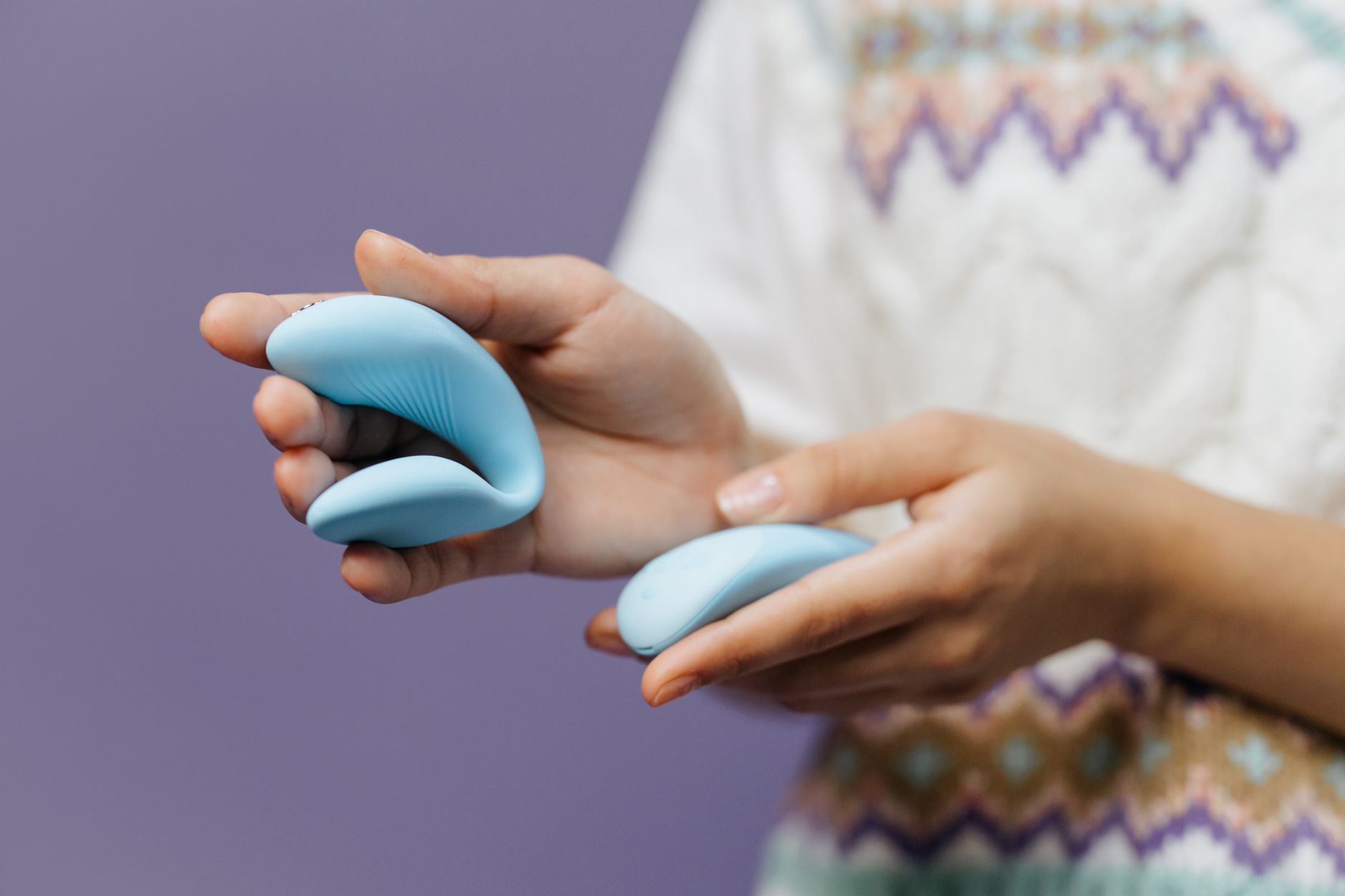
That's where a lemon clitoral vibrator comes in. Not as a replacement for intimacy. As a tool to help you remember what your own pleasure feels like when nobody's watching and nothing's expected.
Why rebuilding pleasure matters more than you think
There's actual neuroscience here. When you're in a long-term relationship, your brain literally rewires some of its reward pathways around your partner's touch. Breakups disrupt that circuitry. Many people report feeling numb or disconnected from sensation for months after separation. This is normal. Your nervous system isn't broken. It's just recalibrating.
Researchers at UC Davis found that people who actively reconnect with solo pleasure after relationship loss report faster recovery, less depression, and stronger boundaries in future relationships. Your own touch becomes a grounding tool. A lemon vibrator, with its precise suction-based stimulation, can help reawaken sensation that feels both unfamiliar and deeply yours.
The psychological shift that has to happen first
Before you even touch yourself, you need to reframe what you're doing. This isn't "bouncing back" or being reckless. It's not replacing your ex with a toy. You're not healing your broken heart through pleasure. You're reclaiming ownership of your body.
This distinction sounds small but it changes everything. If you approach solo pleasure as "getting over them," you'll layer guilt and shame into the experience. If you approach it as "learning what I like when I'm in control," you're building something sustainable.
Talk to yourself like you'd talk to a friend. "My body deserves sensation. My pleasure is mine. This is an act of reclaiming myself." Sounds simple. It's harder than it sounds when grief and emptiness are still fresh.
Why a lemon vibrator works differently than manual touch
Here's the tactical part. After a breakup, your own hands might feel confusing. They remember touching your ex. They might trigger sensations or flashbacks you're not ready for. A lemon vibrator creates physical and psychological distance. It's not your skin. It's not tied to the old relationship narrative in your nervous system.
The Lem and other lemon clitoral vibrators work through gentle suction, not intense vibration. That matters when you're restarting. Suction-based stimulation feels more diffuse and rhythmic than direct vibration. Many people find it easier to relax into, especially when your nervous system is still in low-grade activation from grief.
Start slow. Literally start at the lowest setting. You're not trying to have an orgasm. You're trying to feel. There's a difference.
Timing: when you're actually ready
Don't force this. If you feel nothing, if you feel only sadness, if your body is frozen: that's information, not failure. Grief doesn't follow a timeline.
Most people aren't ready until the acute phase of heartbreak has passed. That's usually 4-12 weeks depending on relationship length and how much closure you have. You'll know you're ready when you can think about your ex without your chest tightening. When you're bored sometimes instead of actively hurting. When curiosity starts edging out sadness.
If you try and it doesn't work, that's fine. Put it down. Try again next week or next month. Your body will tell you when it wants to come back to life.
What the actual practice looks like
Find a time when you have privacy and zero distractions. This isn't about performance. Phone off. The goal isn't the destination. It's the presence.
Start with your body first. Take a warm bath. Touch your arms, your thighs, your collarbone. Remember what your skin feels like when you're not performing for anyone. Breathe into it. This part is non-negotiable. Your nervous system needs to know it's safe before you add the lemon vibrator.
When you're ready, use water-based lubricant. Even if you feel natural wetness, add more. Your body might be cautious. Help it along. Start the lemon vibrator at setting 1 or 2. Rest it against your clitoris. Don't push. Let it do the work. You're just receiving sensation, not chasing a result.
If your mind wanders to your ex, that's normal. Gently bring attention back to the feeling in your body. Not as a judgment. Just as an anchor. You're here. Your body is here. This is yours.
What to do if shame shows up
It will. Breakup shame is real. "I shouldn't be thinking about pleasure right now." "I should be focused on healing." "This makes me a bad person." None of that is true, but your brain will whisper it anyway.
When it happens, pause. Acknowledge the thought without believing it. "That's shame talking. I'm not a bad person for wanting to feel good." Then come back to sensation. Back to breath. Back to your body.
If the shame is overwhelming, consider working with a therapist, especially if the relationship involved betrayal or infidelity. Sometimes we need professional support to untangle our relationship to our own pleasure. That's not weakness. That's wisdom.
The difference between pleasure and healing
Here's what I want you to know: pleasure after a breakup is not your healing. It's not the solution. It won't make you cry less or move forward faster. But it does something almost as important. It reminds you that your capacity for good feeling didn't leave with your ex. It's still yours.
Having an orgasm doesn't mean you're over them. Feeling connected to your body doesn't mean the grief is gone. Pleasure and grief can coexist. This is one of the hardest things to accept and one of the most liberating.
Consider pairing solo pleasure with other grounding practices. Movement. Time with friends. Sleep. Therapy if you need it. A lemon vibrator is a tool in a larger toolkit of reclaiming yourself.
Moving toward partnered pleasure again
If and when you're ready to have sex with a new partner, solo pleasure becomes even more valuable. You know what you like. You can show them. You're not waiting for them to figure you out. That's radically different from entering a relationship as a blank slate waiting to be touched correctly.
Your experience with a lemon clitoral vibrator isn't something to hide or be embarrassed about with a new partner. It's information. "I know I like this kind of stimulation." That's attractive. That's powerful. That's the opposite of baggage.
One more thing: solo pleasure doesn't stop when you're partnered. The best long-term relationships include both. Time together and time alone in your own body. A lemon vibrator will still be yours. It's not a stepping stone. It's part of who you are.
FAQ: Questions people ask
How long after a breakup should I wait before using a vibrator?
There's no magic number. Some people are ready after a month. Others need six. The question isn't "is it too soon" but "am I ready to focus on my own pleasure without guilt." If you're using it to numb pain or avoid grief, wait. If you're using it to reconnect with yourself, you're ready.
What if I can't feel anything when I use my lemon vibrator?
Numbness is a normal grief response. Your nervous system might literally be dampening sensation as a protection. A few things help: warm-up longer, use more lube, try different settings on the lemon vibrator, and consider whether you're actually ready or still in acute grief. If numbness persists beyond 3-4 months, talk to a doctor. It can occasionally signal depression that needs support.
Is it weird that I think about my ex sometimes during solo pleasure?
Not even a little. Your brain has years of association between arousal and that person. Interrupting that is a process. When it happens, gently redirect attention to sensation instead of story. Notice the feeling in your clitoris. The rhythm of the lemon vibrator. Your breath. That's not about forcing your ex out. That's about building new neural pathways.
Should I tell a future partner about my lemon vibrator?
Yes, if things get serious. Not as a confession. As information. "I know my body really well because I've spent time with myself." Most partners find that really attractive. If someone shames you for knowing your own pleasure, that's a sign about them, not you.
Can using a lemon vibrator alone make orgasm harder with a partner?
No. The opposite is usually true. The more you know your own pleasure, the easier it is to guide a partner. Plus, many people use lemon clitoral vibrators during partnered sex too. It's not either/or.
What if pleasure feels disloyal to my ex?
That's grief playing tricks. Your pleasure isn't about them anymore. It's about you. And your body deserves to feel good whether you're partnered or alone. Loyalty to an ex ended when the relationship did. Loyalty to yourself is what matters now.
The thing about rebuilding pleasure
It's not linear. Some days your lemon vibrator will feel amazing. Other days you'll use it and feel nothing but sadness. Both are okay. You're not doing it wrong. You're learning that your body, your pleasure, your sensation belongs entirely to you. That's the whole point.
When you're ready, when your body is ready, when your nervous system remembers it's safe to feel good: that's when pleasure becomes a radical act of self-reclamation. Not selfish. Necessary.
If you want to talk through your relationship or need guidance on rebuilding after separation, reach out to a therapist or counselor who specializes in breakup recovery.