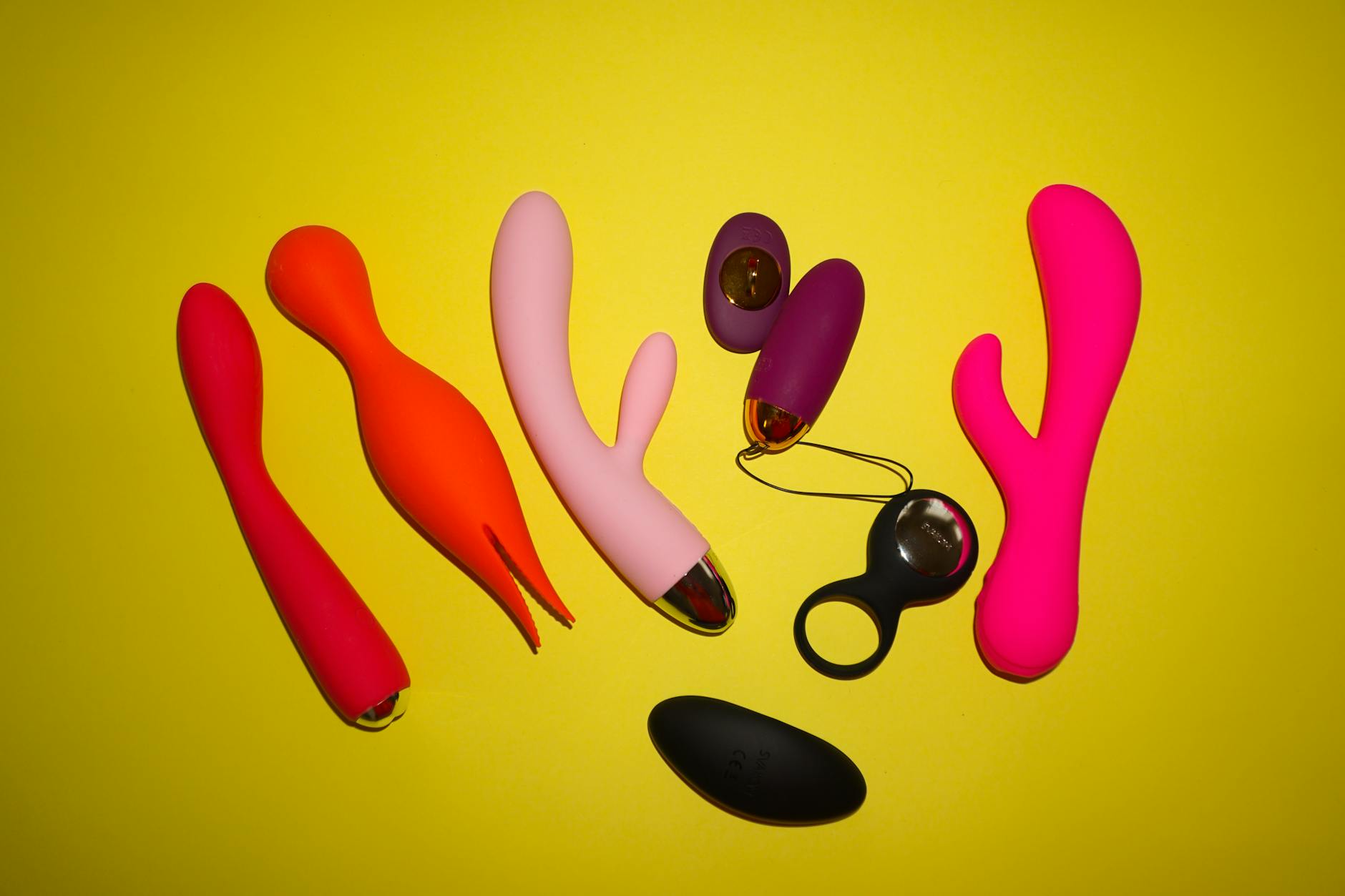
The conversation nobody wants to have (but really should)
One partner mentions a lemon clitoral vibrator. The other partner goes quiet. Maybe they change the subject. Maybe they laugh it off uncomfortably. Maybe they say "I don't need that" or "That seems weird" or the worst one: "Aren't I enough?"
This dynamic isn't rare. It's actually one of the most common friction points I see in couples therapy, and it's almost never actually about the vibrator.
What comfort level mismatch actually signals
When one partner is enthusiastic about pleasure tools and the other feels hesitant, you're usually looking at one (or more) of these underneath:
Insecurity masquerading as discomfort. The hesitant partner might interpret vibrator interest as "you're not satisfied with me," which is almost never what it means. A lemon sucker or lem vibrator isn't a referendum on your partner's touch. It's a different kind of stimulation.
Fear of the unknown. Some people grew up in environments where sex was functional, not playful. The idea of "toys" can feel transgressive or silly, even in adulthood.
Pace mismatch. One of you is ready to explore; the other needs more time to think, adjust, and feel safe.
Loss of control. For some partners, introducing a tool feels like losing control of the sexual experience. That's worth naming directly.
None of these are character flaws. They're just different starting points.
How to open this conversation without triggering defensiveness
Timing and framing matter wildly here. Don't bring it up during sex or right before. Don't lead with "I want to use this because you're not satisfying me." That's the fastest way to turn curiosity into combat.
Instead, try this structure:
Name your own desire first. "I've been curious about trying a lemon vibrator. Not because anything's missing with you, but because I think it might feel different in a way I'm interested in exploring." You own the desire. You don't make it about them.
Invite them in, don't demand agreement. "I'd love to try this together, but I want to know what you're thinking first. Are you worried about something? Is it a timing thing? I want to understand." Make space for their actual concern, not the one you think they have.
Separate the tool from the relationship. "Using a clitoral vibrator doesn't change how I feel about you or our sex life. It's just another way to experience pleasure, the same way a vibrator doesn't replace your fingers." Be concrete.
Offer them control over the pace. "We can go slow with this. You can explore it on your own time, or we can look at one together. It's not a deadline." Rushed agreement isn't buy-in; it's compliance.
The actual barriers (and how to address them)
Once you've named the hesitation, you can actually work with it.
If the concern is "I feel replaced." Reframe the lemon clitoral vibrator as an addition, not a subtraction. "I want you inside me and the vibrator on my clitoris." Or "I want to use this when you're not around, and then we have more energy for each other." Show them how it expands your sexual landscape, not how it replaces them.
If the concern is "I don't know what to do with it." Demystify it. Show them the device. Let them hold it. Explain how it works without the pressure to use it immediately. Some people feel less threatened by something they've touched and understand.
If the concern is "This feels weird or embarrassing." Normalize the language. Use actual terms like "clitoral vibrator" or "lem vibrator" instead of euphemisms. Euphemisms make things shadier. Clinical language makes things normal. And remind them: Hellanancy exists because millions of people use these devices. This isn't fringe territory.
If the concern is "I need time." Honor that. Some people need a week to think about it. Some need a month. Pushing breeds resentment. Patience breeds trust.
When you've reached partial agreement: the protocol
Maybe they've said okay, but they're still skeptical. Here's how to make it actually work.
Start without the penetrative element. If you're using a lemon vibrator for clitoral stimulation only during partnered sex, that's less threatening than introducing other variables at once. Keep it simple.
Use it in your own time first. Get comfortable with the sensation and the device. When your partner sees you enjoying it without performance pressure, skepticism often softens.
Invite observation, not participation. "I'm going to use this on my own. You can be in the room, or you can give me privacy. Whatever feels okay." Some partners are less threatened by watching than by being asked to handle it.
Share the sensation without making it mandatory. "Want to feel how this vibrates?" Let them experience the sensation on their arm or hand first. The intensity is less scary when it's not on an intimate area.
Celebrate small shifts. If your hesitant partner moves from "I don't want this in the bedroom" to "I'll think about it," that's progress. Don't push further in that moment.
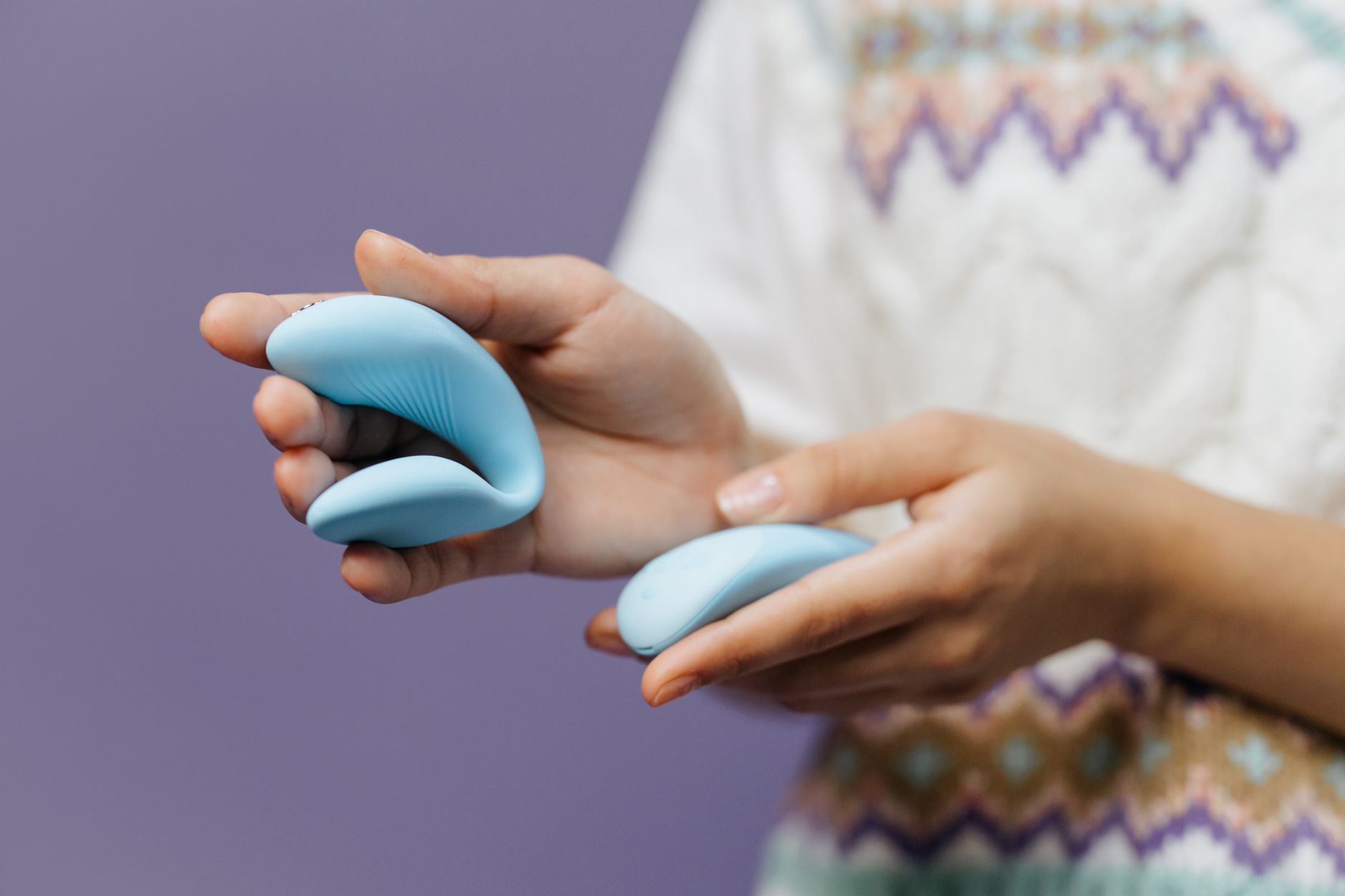
Photo by cottonbro studio on Pexels
The deeper work: why this mismatch happens
Honestly? Different comfort levels with pleasure tools often reflect different relationships to pleasure in general. One partner might have grown up with explicit permission to enjoy sex. The other might have absorbed messaging that pleasure is vain or unsafe. One might have had orgasms explored with curiosity; the other might have been taught to get them over with.
These patterns run deep, and a lemon vibrator doesn't fix them. But it can become a doorway to naming them.
If your partner is persistently hesitant, it's worth asking in a neutral moment: "What did you learn about pleasure growing up? What was the story you told yourself about what good sex should look like?" Most resistance isn't about the vibrator. It's about old beliefs about what's acceptable, what's shameful, what's enough.
What happens when one partner stays unmoved
Sometimes you reach the end of the conversation and your partner is still a firm no.
You have to decide: Is this a hard boundary for them, or is it resistance? A hard boundary feels clean: "I'm not comfortable with this, and that's non-negotiable for me." Resistance feels sticky: "I don't know, maybe, it just feels weird, I don't want to talk about it."
If it's a hard boundary, respect it. The relationship stays intact without this element.
If it's resistance, you can negotiate within it. "I won't use a lemon vibrator during our sex, but I might use one alone sometimes. Is that okay?" That's a reasonable middle ground.
But if you're the partner who wants to explore and your partner refuses any movement at all, that's a larger question about whether you both feel safe enough to be curious together. That might warrant a conversation with a sex-positive therapist who can help you both feel heard.
The unexpected benefit
Here's what I've seen happen in my practice repeatedly: Once the hesitant partner gets past the initial discomfort and actually experiences what a clitoral vibrator feels like, their resistance shifts. Not always. But often.
They realize the sensation is distinct from partnered touch. They notice their partner actually does enjoy it. They see that using a pleasure tool doesn't make anything disappear; it just adds to the palette. Sometimes the partner who was most skeptical becomes the one who wants to explore further.
That doesn't mean push them there. But it does mean the conversation isn't necessarily over after the first "I'm not sure."
FAQ: navigating comfort level mismatches
How do I bring this up without making my partner feel bad about their hesitation?
Lead with your own excitement, not their perceived failure. "I'm curious about exploring this" lands differently than "You should be open to this." Frame it as something you want to add to your world together, not something that's missing. Avoid timing it for when you're already intimate or when they're stressed.
My partner says vibrators make them feel insecure. How do I address that?
Dig in gently. "Tell me more about that" is often more useful than defending the tool. Usually the insecurity isn't about the vibrator at all. It's about feeling adequate, wanted, or skilled. Reassure them directly on those points. Then, separately, explain what the tool actually does (it's about clitoral sensation, not about you or penetration). Sometimes framing it as medical (clitoral stimulation responds differently to vibration than to touch) makes it feel less personal.
What if my partner will only agree if we never mention it again after we try it?
That's a reasonable boundary. Honor it. Use it, enjoy it, and don't make a big production of it next time. Sometimes people need to experience something quietly before they're ready to talk about it openly.
Can using a lemon vibrator together actually help a disconnected couple reconnect?
It can be a tool for reconnection, but only if the underlying disconnection is addressed first. If you're not talking, a vibrator won't fix that. But if you've done some repair work and want a way to play together again, exploring something new can create a sense of partnership and curiosity.
What if my partner is interested but I'm the hesitant one?
Same rules apply, just reversed. You don't have to want this. You get to say no or "not yet." But if your hesitation comes from shame, old beliefs, or fear of judgment, it's worth examining that separately from the actual tool. A lemon clitoral vibrator is neutral. Your feelings about pleasure and your body aren't. Sometimes exploring your own relationship to pleasure, with or without a partner, is the real work.
How do I know if this is a dealbreaker difference or just a timing mismatch?
A dealbreaker feels permanent and non-negotiable. "I will never be comfortable with this" is different from "I'm not ready yet." Listen for the language. Also: Has your partner been willing to grow with you in other areas? Are they generally open to exploring, just not this? That suggests timing over dealbreaker. But if this is part of a larger pattern of your partner shutting down your curiosity or your needs, that's a bigger relationship question.
The bottom line
Pleasure tool comfort levels are never really about the tool. They're about safety, autonomy, belief systems, and whether both people feel like their needs matter.
Using a lemon vibrator when your partner is hesitant requires patience, clear communication, and genuine respect for their pace. It also requires you to examine your own expectations: Are you trying to coerce them into comfort, or are you genuinely inviting them into curiosity?
The goal isn't to convince your partner that vibrators are great. The goal is to stay connected to each other while you both figure out what pleasure looks like for you, together and separately.
If you're navigating this dynamic and you'd like support unpacking it, reach out to us. We're here to help couples talk about pleasure without shame or pressure.