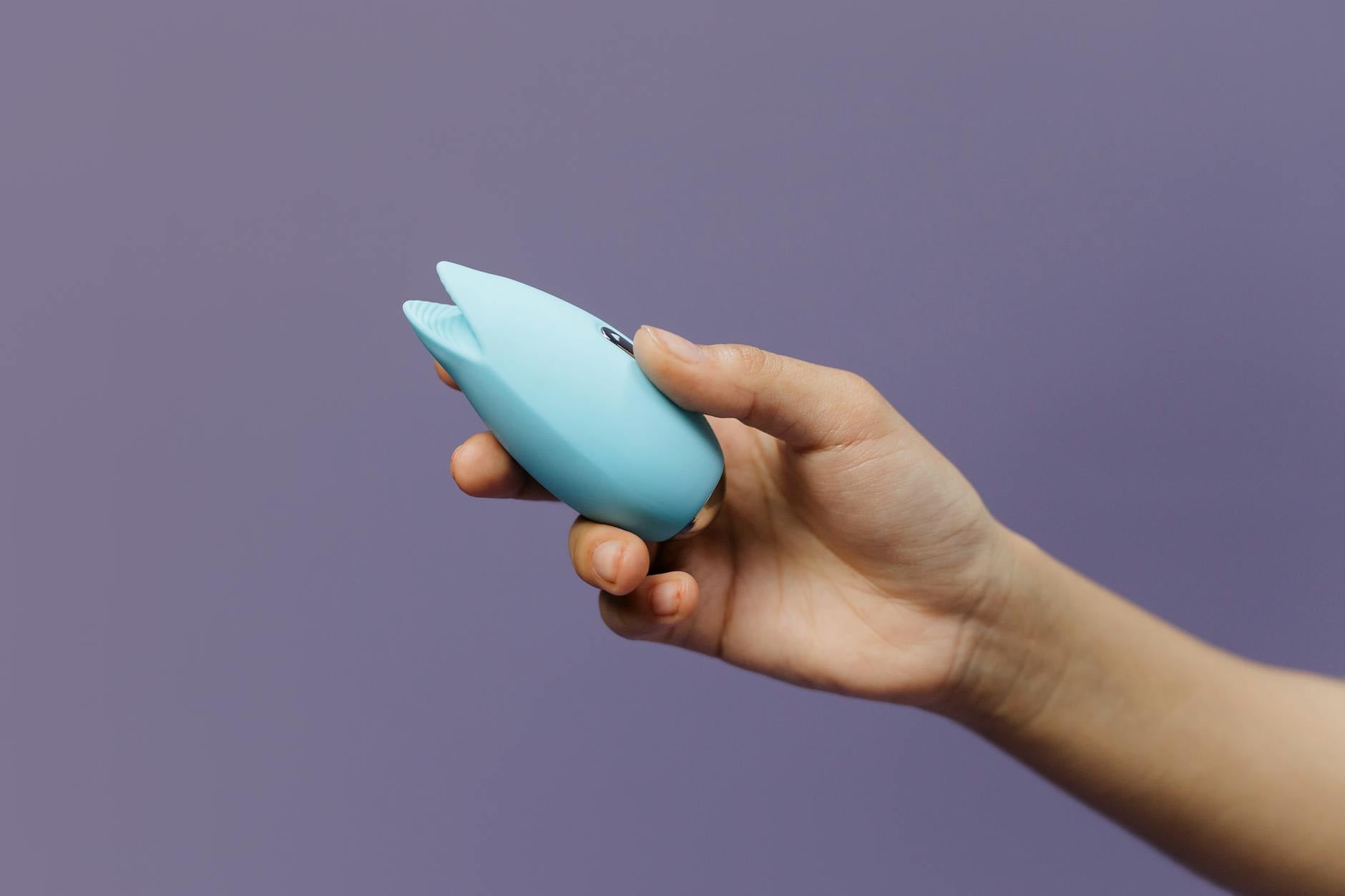
How to Use a Lemon Vibrator When Hormone Levels Fluctuate Throughout the Month
Your pleasure isn't static. Hormones shift what feels good week to week. Here's how to sync your lemon vibrator practice with your cycle for better sensation and deeper satisfaction.
Honestly, this is one of those things nobody tells you because most sex ed pretends your body is a static machine. It isn't. If you have a menstrual cycle, your hormones shift dramatically week to week, and those shifts change how your nervous system responds to touch, how easily you get aroused, and what kind of stimulation actually feels good.
This matters more than you'd think. A lot of people try a lemon clitoral vibrator, find it doesn't work the way they expected, and assume the toy is wrong for them. Often what's actually happening is they're using it during a phase of their cycle when their body needs a completely different approach. Sync your lemon vibrator routine to your hormonal reality, and you'll access sensations you didn't know were possible.
Four hormones drive the cycle: estrogen, progesterone, testosterone, and follicle-stimulating hormone. Each one shifts blood flow to your genitals, changes tissue thickness, affects your baseline arousal level, and influences how your nervous system processes sensation. This isn't subtle stuff. The difference between follicular and luteal feels genuinely different in your body.
Here's what happens: in the follicular phase, estrogen rises. This increases blood flow to the clitoris, makes tissue plumper and more sensitive, and boosts dopamine and norepinephrine. Translation: your body is more responsive, sensation-seeking, and ready for intensity. This is when a lemon sucker with higher suction patterns actually feels amazing instead of overwhelming.
In the luteal phase after ovulation, progesterone climbs. This slows nervous system activation, increases pain sensitivity slightly, and can make touch feel either deeply grounding or way too much depending on the week. The clitoris is less engorged. Your body is more inward-focused. This phase asks for a gentler approach.
Days 1-14 (roughly, since cycles vary). This is when your lem vibrator's middle and higher intensity patterns shine.
Estrogen is climbing, and your clitoris is literally swelling with increased blood flow. More engorgement means more sensation capacity. Your dopamine is rising, which means you're literally more pleasure-seeking at the neurochemical level. Your baseline arousal is higher, so shorter warm-up times work fine.
Start with pattern 3 or 4 on a lemon clitoral vibrator instead of pattern 1. Your tissues are more robust right now. Direct suction feels satisfying rather than too sharp. Many people report that their most intense orgasms of the month happen in this window, especially with air-suction toys like the Lem that deliver precise stimulation without the friction of vibration alone.
The follicular phase is also when you might naturally want partnered exploration. If you've been hesitant about involving a partner, this window is often easier because your body is literally more primed for sensation and less guarded. You might try using a lemon sexual toy together during foreplay, or have your partner watch you use it on yourself. Your arousal responds faster, so the whole experience feels less effortful.
Days 12-16 (again, individual timing varies). This is peak sensation week.
Ovulation itself triggers a surge in both estrogen and testosterone. Testosterone amplifies desire and sensation. This is when people most commonly report wanting sex, seeking intensity, and feeling most confident. If you're wondering why some weeks the Lem feels magical and other weeks it's just okay, ovulation week is often the magic week.
This is genuinely the time to explore. Use your lemon vibrator exactly how you want to without restraint. Try patterns you've been curious about. Go longer. Build to multiple orgasms if that interests you. Your nervous system is maximally receptive, and frankly, your body is literally asking for it.
One note: ovulation also increases vaginal lubrication naturally. That means water-based lube becomes optional (though it never hurts). You might find that sensation is even sharper and more defined because your natural wetness creates better contact. Pay attention to what your body actually needs instead of following a script.
Days 15-28. This is when most people need to completely rethink their approach.
Progesterone climbs and takes up residence in your nervous system. This hormone is actually calming. It dampens dopamine, which means you're literally less pleasure-seeking neurochemically. Your clitoris is less engorged. Sensation feels duller unless you're more intentional about it. For some people, this phase brings hypersensitivity instead. The intensity that felt perfect last week now feels too sharp.
Here's what works: lower patterns on your lemon sexual toy (pattern 1-2). Longer warm-up time. More lube than you think you need, because natural lubrication drops in this phase. Slower buildup. Orgasms in this phase often feel different too. Instead of sharp and urgent, they're more whole-body, rolling, or internal. Different doesn't mean worse. Often it's deeply satisfying in a different register.
This is also when you might want to reframe what pleasure means. The follicular phase is about intensity and sensation-chasing. The luteal phase is about presence and connection. If you're partnered, this is often when slower, more connected partnered sex or mutual exploration actually feels better than solo intensity.
Many people also find that the luteal phase is when using a lemon clitoral vibrator alongside deep breathing or meditation shifts the whole experience. Your nervous system is already primed for calming input. Working with that instead of against it makes the experience feel easier and more sustainable.
You don't need an app or a spreadsheet. Just notice: when does ovulation typically happen for you? (Usually day 14, but could be day 12-16). Mark it. Then adjust your approach.
Follicular phase: higher intensity, shorter warm-up, more exploration. Luteal phase: lower intensity, longer warm-up, more grounding. If you share a bed with a partner, knowing your own cycle also helps you communicate what you actually need instead of assuming you've changed or something's wrong.
One more practical thing: progesterone peaks about a week after ovulation. If you have the worst PMS week, that's also usually your lowest sensation week. Don't plan major exploration then. Plan it earlier in the luteal phase when progesterone is climbing but hasn't fully peaked.
If you're on hormonal birth control, pregnant, breastfeeding, or approaching menopause, your cycle might be light, absent, or unpredictable. That doesn't mean you're exempt from hormonal influence. You're still cycling hormonally even if you're not menstruating.
Instead of tracking days, track feelings. Notice when you feel more outgoing and sensation-seeking versus inward and grounded. Notice when touch feels good versus too much. Your body is still giving you signals. Listen to them. Use your lemon vibrator when sensation feels sharp and present. Take breaks when you need to. Stop trying to force a schedule and start following your actual arousal.
If you're on the pill, your hormones are actually more stable than someone cycling naturally. That can mean your sensation baseline stays more consistent. Some people find this liberating. Others miss the natural rhythm. Neither is wrong.
Sometimes people track their cycles perfectly and still find that sensation is all over the map. Here's why: stress, sleep, relationship dynamics, work, and emotional state matter as much as hormones.
If you've had a terrible week, progesterone won't make you want deep connection. If you're anxious, even peak follicular won't help. If your relationship is tense, using a lemon sucker with a partner won't fix that. Hormones create tendency, not destiny. Your life context shapes everything.
The cycle matters. But it's not the only thing that matters. If something feels off, check both: is this a phase thing, or is something else going on in your life right now? Often it's both.
One of the most useful things about understanding your cycle is that it gives you permission to stop expecting yourself to be the same every single week. You're not broken. You're not inconsistent. You're cycling. That's literally how your body is designed to work.
When you sync your lemon clitoral vibrator use with your actual cycle instead of fighting it, sex becomes easier. Orgasms come faster. Satisfaction deepens. You stop feeling frustrated when last week's approach doesn't work this week. You start understanding that variation is information, not failure.
Yes. Some people find that clitoral stimulation with a lemon sucker during their period actually feels better because increased blood flow to the area already exists. Others prefer to skip it. There's no rule. Menstrual fluid won't damage a silicone toy. Just rinse it after with warm water and toy cleaner. If penetration feels uncomfortable during your period, a lemon clitoral vibrator is actually a perfect option since it's external and you control pressure completely.
It can. The pill, patch, and ring create more stable hormone levels than a natural cycle, so sensation can feel more consistent month to month. But many people on birth control still notice subtle shifts in pleasure preference. Some report that the pill flattens sensation slightly. Others find it liberating to have steadier hormones. Individual variation is huge here. Track your own experience rather than assuming it will match someone else's.
Focus on feeling rather than dates. Notice when your body feels open and when it feels guarded. Notice when sensation feels sharp versus muted. Use those signals to decide when to pull out the lemon vibrator and when to give yourself a break. You don't need perfect cycle tracking to benefit from this approach. You just need to listen.
Yes, many pregnant people use clitoral vibrators throughout pregnancy with no issues. Progesterone is extremely high during pregnancy, so sensation might feel muted. You might need longer warm-up and lower intensity patterns. Always check with your OB/GYN if you have concerns, especially if you've had any pregnancy complications. But for most healthy pregnancies, a lemon vibrator is a safe way to maintain sexual pleasure when intercourse feels uncomfortable.
No. Your orgasms will feel different, but different doesn't mean worse. Luteal phase orgasms are often more internal, full-body, or drawn out. They might be fewer but deeper. Some people actually prefer them. The key is letting your expectations shift instead of trying to recreate the sharp intensity of your follicular phase. Work with your body's current state rather than against it.
Yes, if you want them involved in your pleasure. Telling a partner that your sensation needs shift week to week prevents misunderstanding and actually makes partnered sex easier. It's not a complaint. It's useful information. "I tend to want more intensity this week and less next week" is just data that helps you both enjoy each other more.
Here's the thing nobody puts on a greeting card: paying attention to your cycle and adjusting your approach accordingly isn't boring or overly technical. It's actually radical permission to stop fighting yourself. Your body is smart. It's not broken. It's just cycling, and that's powerful information if you actually use it.
If you want to explore how your cycle affects pleasure and get personalized guidance, reach out. We're here to help you understand your own body better.