Here's what nobody mentions about ovulation and sensation
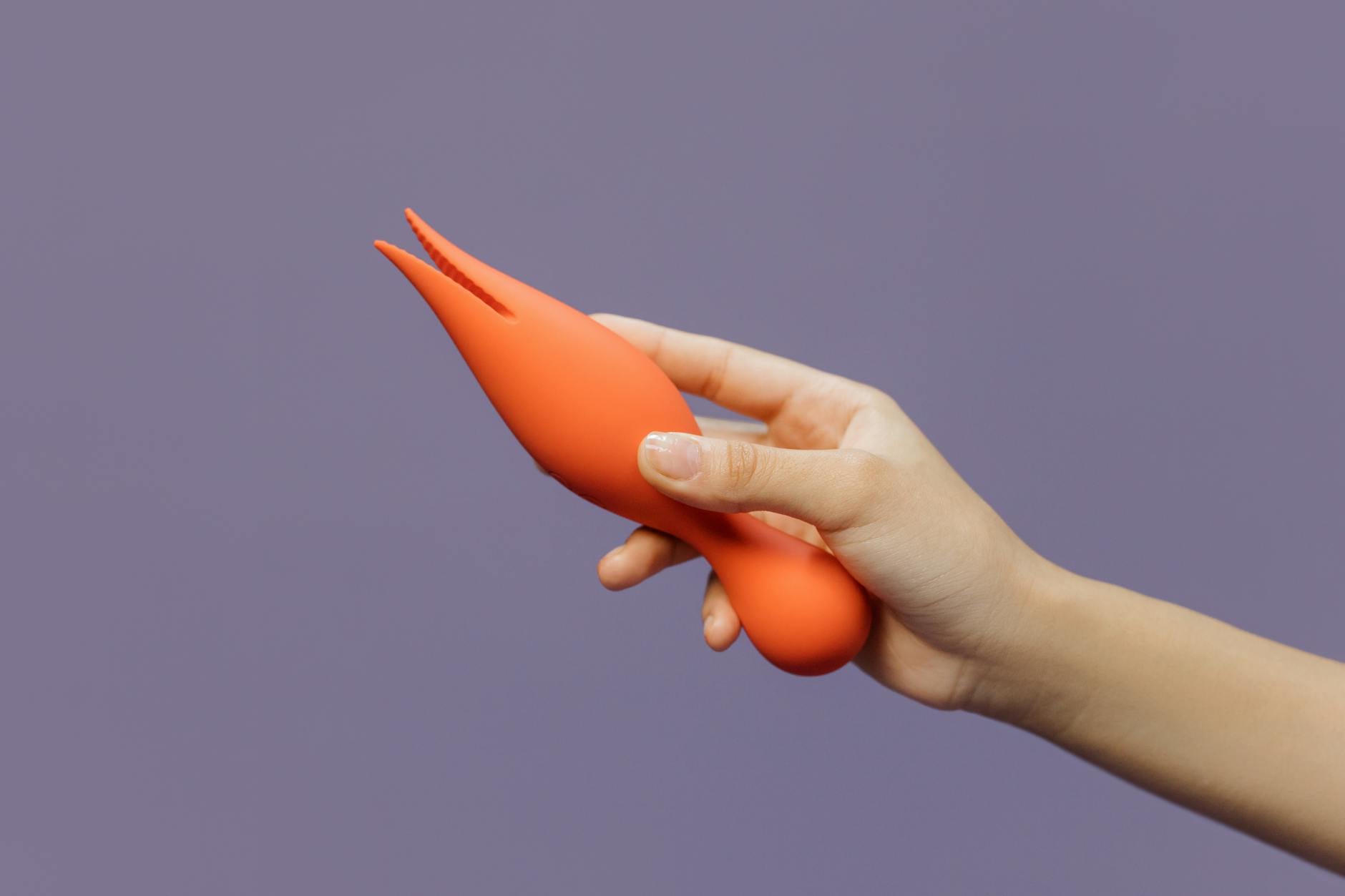
Your clitoris gets dramatically more sensitive around ovulation. It's not psychological, not in your head, and not a sign something is wrong. It's just biology doing what biology does. For about five to seven days mid-cycle, your clitoral tissue swells slightly, blood flow increases, and neural sensitivity peaks. This is actually evolutionarily brilliant. But if you're used to using a lemon sucker vibrator or any clitoral vibrator on a certain pattern, suddenly that same setting can feel overwhelming.
The result? You stop using your toy because you assume it's broken or you've become hypersensitive. Neither is true. You just need to recalibrate.
Why ovulation changes everything
During the follicular phase (first half of your cycle), estrogen is climbing. During ovulation itself, there's a surge in both estrogen and luteinizing hormone (LH), which triggers the release of an egg. This hormonal peak does three things to your clitoris: it increases blood volume in the tissue, it amplifies nerve sensitivity, and it changes how quickly you move from baseline arousal to intense sensation.
Think of it like this. Your clitoris has a volume dial. Most of the month, it's set to about six. During ovulation, the same dial is at nine or ten, just naturally. If you keep using the same vibration pattern, the intensity feels like it's been turned up three notches.
The good news? You don't have to avoid pleasure during ovulation. You just need to adjust.
The pattern-lowering hack
Most clitoral vibrators, including the Lem (Hellanancy's lemon vibrator), have multiple patterns and intensity levels. During ovulation, start two levels lower than your baseline. If you normally enjoy pattern four on a lemon sexual toy, try pattern two or three when you're ovulating.
The reason this works better than simply turning down intensity is that pattern changes the rhythm of stimulation. A slower pattern, even at the same amplitude, feels gentler because your nerve endings have slightly more recovery time between pulses. You're not just turning down the volume. You're giving your body room to breathe.
Start here and adjust upward only if you want more. You won't need to add intensity back until post-ovulation.
Indirect stimulation is your friend
During ovulation, apply the vibrator to the tissue around your clitoris rather than directly on the glans (the most sensitive tip). This is sometimes called "off-target" stimulation, and it's wildly underrated. You get sensation and building pleasure without the overwhelming intensity of direct contact.
With a lemon clitoral vibrator or similar air-suction toy, you can angle the mouth slightly to one side or hold it so the suction pulls gently without centering directly on the most sensitive spot. The result is pleasure that builds steadily rather than cresting too fast.
Many people find their best orgasms happen this way during ovulation. The slightly indirect approach actually creates more sustained arousal rather than a sharp peak that feels uncomfortable.
Lubrication matters more now
Yes, you produce natural lubrication during ovulation. But that doesn't mean you skip lube when using any adult toy. Actually, the opposite. A water-based lubricant creates a buffer between your clitoris and the vibrator, which reduces friction and softens the sensation.
Lubrication also helps the suction function of a lemon sucker more smoothly. When tissues are more sensitive, smooth application without drag makes a massive difference. Apply lube generously, let it sit for a moment, and then begin.
This isn't a workaround or a sign something is wrong. It's just smart sensation management.
Warm-up longer, start gentler
During ovulation, your body reaches arousal faster. This is true. But that doesn't mean skipping foreplay or jumping straight to toys. If anything, giving yourself a longer, gentler build creates a more sustainable pleasure response.
Spend ten to fifteen minutes with non-vibrator touch. Hands, fingers, maybe a soft texture. Let your nervous system ease into arousal gradually. Then introduce the vibrator on a lower pattern than usual. You'll find the pleasure unfolds more controllably, and you're less likely to hit the "too much" wall.
This is especially useful if you use a lemon clitoral vibrator or similar toys with your partner. It gives them time to read your responses and signals before intensity ramps up.
What to do if it's still too much
If even the lowest pattern feels uncomfortable during ovulation, you have options. First, take the vibrator off the skin entirely and run it over your underwear or through a thin piece of fabric. This mutes intensity while keeping the stimulation pattern. Second, use the vibrator in other zones. Your inner thighs, the area above your pubic bone, your lower abdomen. These areas respond to vibration without the overwhelming sensitivity.
Third, and this matters, consider whether this particular ovulation is worse than normal. Stress, sleep deprivation, and certain medications can amplify ovulation sensitivity. If this is a one-off month, dial it back and move on. If it happens every cycle, talk to a doctor about whether hormonal factors need investigation.
The post-ovulation bounce-back
About two days after ovulation, sensitivity drops. Your lemon clitoral vibrator suddenly feels comfortable at full intensity again. This timing actually makes sense biologically. Once ovulation has happened, your body has less reason to keep sensitivity at peak. Progesterone rises during the luteal phase and has a dampening effect on sensation.
This is your signal to dial the intensity back up if you want to. Many people find their best orgasms happen in the days right after ovulation ends, when sensitivity is normalizing but arousal is still primed.
Tracking your cycle helps more than you think
If you're using lemon adult toys regularly, tracking your cycle (even roughly) is game-changing. You don't need an app or a clinical approach. Just note when you ovulate (about fourteen days before your next period, or when cervical mucus is clear and slippery). Then, three to five days before and during that window, adjust your toy settings proactively. You won't be caught off-guard.
This approach also helps you understand your own pleasure patterns better. You'll notice that different cycle phases actually feel different, and that's information worth having.
When to seek support
If ovulation sensitivity is so intense that even the gentlest setting feels painful or causes you to avoid pleasure entirely during that window, that's worth discussing with a healthcare provider. Conditions like vulvodynia or hormonal imbalances can create exaggerated sensitivity responses.
But mild to moderate oversensitivity during ovulation is incredibly common and completely manageable with simple adjustments. A lemon sucker, lemon clitoral vibrator, or any adjustable adult toy gives you the tools. You just need to use them intentionally.
FAQ
Why does my clitoris get more sensitive during ovulation?
During ovulation, estrogen and luteinizing hormone (LH) surge. This causes increased blood flow to your clitoris and heightened nerve sensitivity. Your body is essentially preparing for the highest chance of reproduction, which means increased sensation. This is temporary and completely normal.
Can I use my lemon vibrator during ovulation at all?
Absolutely. You just need to adjust the pattern and intensity downward. Start two levels lower than your baseline, use indirect stimulation, and consider applying lubricant for smoother contact. Most people find they can absolutely enjoy toys during ovulation with these small tweaks.
Does ovulation sensitivity mean something is wrong with me?
No. Cycle-based sensitivity changes are normal. However, if the sensation during ovulation is painful rather than just intense, or if it's significantly worse than your normal pattern every single cycle, that's worth mentioning to a gynecologist or healthcare provider.
Should I skip using toys during ovulation?
Not unless it's genuinely uncomfortable. Many people find pleasure during ovulation is actually more intense and satisfying if they adjust their approach. Skipping entirely means losing access to pleasure for five to seven days a month. A better strategy is learning to modulate sensation.
Is the Lem or other lemon clitoral vibrator better for ovulation sensitivity?
Air-suction vibrators like the Lem offer an advantage during ovulation because you can control how directly the suction engages your clitoris. You can angle it, adjust the seal, and move it to surrounding tissue more easily than with a traditional vibrator. This flexibility makes sensitivity management easier.
How long does ovulation sensitivity last?
Typically, the heightened sensitivity starts about two to three days before ovulation and continues through ovulation itself, ending about one to two days after. So roughly five to seven days total. After that, sensitivity normalizes as progesterone rises during the luteal phase.
Keep pleasure aligned with your body
Your cycle is not an obstacle to pleasure. It's just a rhythm your body follows. Learning to work with that rhythm, rather than against it, means you get access to good sensation year-round. A lemon vibrator or clitoral vibrator is a tool. Like any tool, it works better when you adjust it to the job at hand.
During ovulation, that means lowering your baseline settings, using indirect stimulation, and giving yourself longer warm-up time. This isn't settling for less pleasure. It's actually building something more sustainable and ultimately more satisfying.
If you're struggling to find settings that work, or if ovulation sensitivity is genuinely interfering with your pleasure, reach out. You deserve an experience that feels good in your actual body, not just in theory.