How to Use a Lemon Vibrator When Medication Numbs Your Sensation
SSRIs, antihistamines, and blood pressure meds flatten arousal. A practical guide to rebuilding pleasure and sensitivity with the right tools and timing.
Here's the thing nobody tells you when you start an SSRI, an antihistamine, or a blood pressure medication: your body might stop cooperating with pleasure. Not because desire died. Not because you're broken. But because the same drug that's keeping you stable is also keeping your nerve endings from firing the way they used to. That's not a side effect. That's a documented trade-off, and it deserves a strategy.
I've worked with dozens of clients navigating this exact friction. The frustration isn't usually about the medication itself. It's about the assumption that pleasure should still work the old way, with the same touch, the same timing, the same intensity. When it doesn't, shame slides in. And shame is a pleasure killer on its own.
There's good news. Medication-related numbness isn't permanent, and it isn't untreatable. The sensory pathways are still there. They're just asking for a different approach. A lemon vibrator (or any quality clitoral vibrator) can be part of that conversation, but only if you understand what's actually happening and how to work with it instead of against it.
Most people assume medication dulls pleasure by shrinking desire. That does happen with some drugs, but it's not the main culprit here. What's actually going on is more specific.
SSRIs (sertraline, paroxetine, fluoxetine, etc.) delay orgasm and reduce genital sensation by interfering with serotonin reuptake in the spinal cord and genitals. Your brain gets the message "relax," and your genitals get the message "slow down." Antihistamines (cetirizine, diphenhydramine) dry out mucous membranes, including vaginal tissue, which reduces friction sensation and makes touch feel less distinct. Blood pressure medications (beta-blockers especially) reduce blood flow to the genitals, which means less swelling, less engorgement, and less pressure sensitivity.
The result: touch that used to feel like electricity now feels like ambient pressure. A gentle stroke feels almost nothing. Direct stimulation might feel like it's happening to someone else's body.
Here's the crucial part. This doesn't mean you've lost the capacity for pleasure. The nerve endings haven't disappeared. The clitoral tissue hasn't changed. The neurological pathways are still intact. What's changed is the signal-to-noise ratio. Your body needs stronger, more specific input to register what's happening.
Your fingers deliver variable pressure. Sometimes firm, sometimes light. Sometimes you catch the exact right angle, sometimes not. When sensation is already dampened, that variability becomes a problem. Your nervous system is working overtime just to register that you're being touched, let alone where.
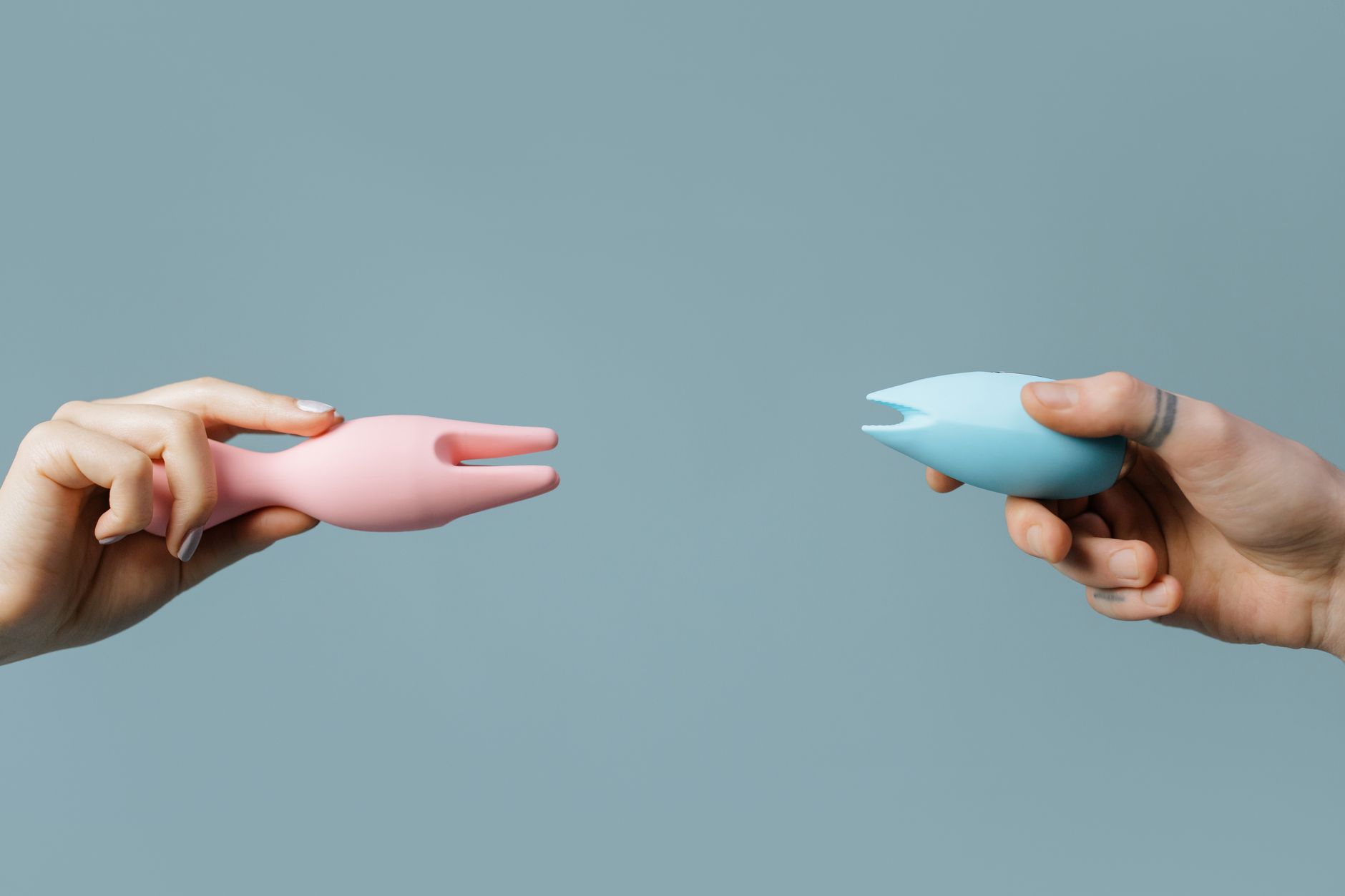
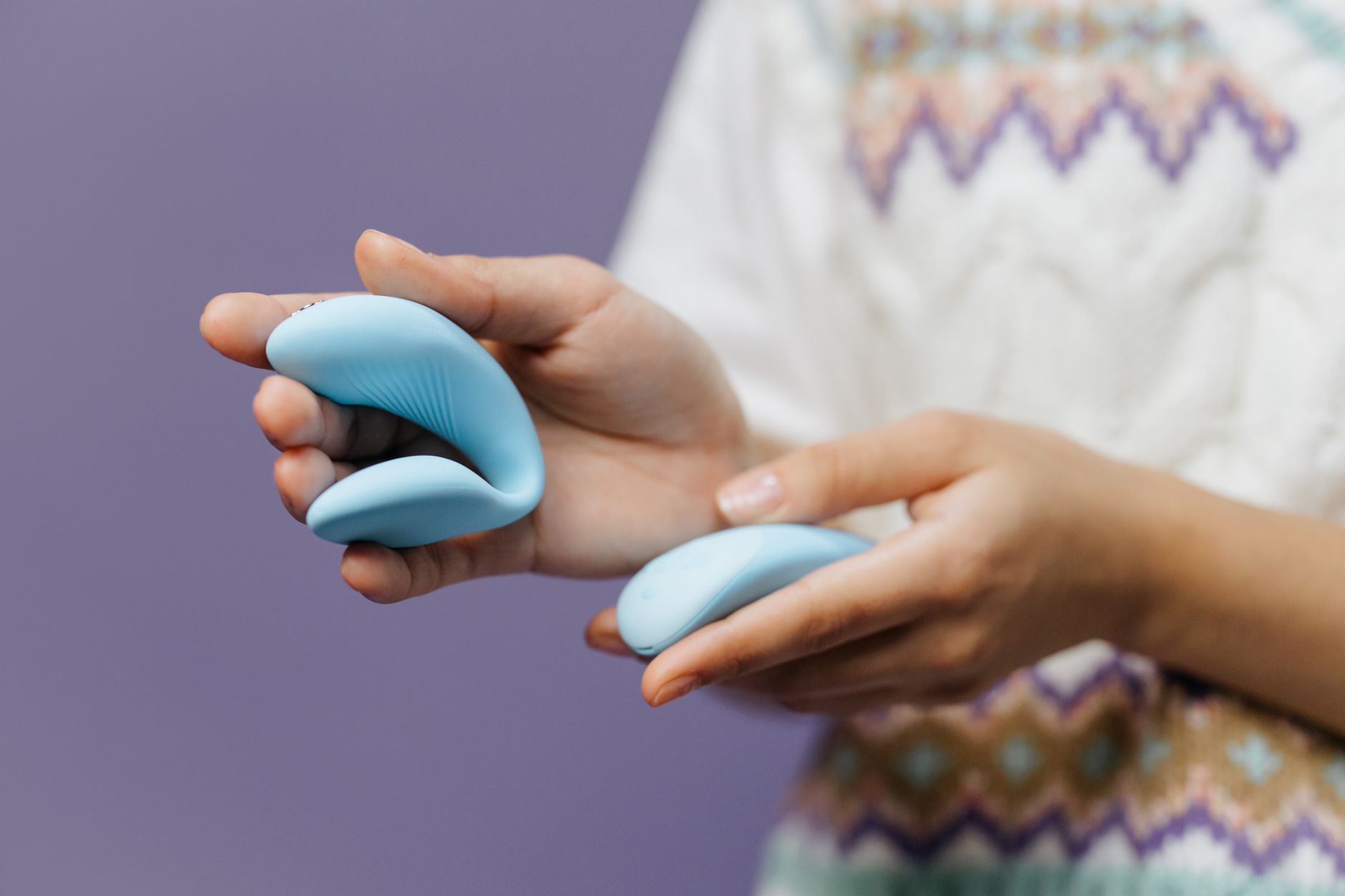
A lemon vibrator (or any dedicated clitoral vibrator) delivers consistent, patterned stimulation. The Lem, for instance, uses gentle suction and vibration in a precise rhythm that your nervous system can actually track and amplify. Instead of your body trying to decode random pressure changes, it can follow a pattern and build on it.
This is especially useful with medication-related numbness because your nervous system doesn't have to work as hard to register what's happening. The stimulation is distinct, repetitive, and specific. Your body can say "yes, I feel that" instead of "maybe? I think something is happening?"
Many of my clients report that when they switch from hands to a lemon clitoral vibrator, sensation comes back online within the first 2-3 uses. Not because the vibrator is magical, but because it's finally sending clear enough input that their nervous system can respond.
The instinct when you're numb is to turn everything up. Stronger vibrations, longer sessions, more direct pressure. That usually backfires.
Medication-related numbness is a sensitivity issue, not an intensity issue. Your nervous system isn't dead. It's just operating on a narrower bandwidth. If you flood it with maximum input, you'll get desensitization instead of re-sensitization.
Here's what actually works. Start with a lemon vibrator on its lowest setting. Yes, lowest. I know it feels like nothing is happening. Stay with that for 2-3 minutes. Let your nervous system register the pattern without overwhelming it. Then move to setting 2. Spend another 2-3 minutes. Gradually increase over 10-15 minutes.
This approach does something counterintuitive. Instead of chasing stimulation, you're teaching your nervous system to track subtlety again. You're rebuilding the ability to feel small amounts of sensation.
Some of my clients find that after 3-4 weeks of starting low and building gradually, general sensation improves even outside of sexual activity. Touch during the day feels sharper. Physical connection with a partner feels more present. That's not coincidence. You're literally retraining your nervous system.
Medication-related dryness compounds numbness. If the tissue itself is thinner or drier, any stimulation has to fight through that barrier before it registers as pleasure.
Water-based lubricant isn't optional here. It's infrastructure. Use it generously. More than you think you need. Dryness isn't something to push through. It's your nervous system telling you something is missing from the equation.
Some meds (particularly antihistamines) are notorious for drying out all mucous membranes. If that's your situation, consider a lube specifically formulated for medication-induced dryness. Hyaluronic acid-based lubes tend to feel better and last longer than basic water-based options, and they won't damage silicone toys.
If dryness is severe or worsening, talk to your doctor or a gynecologist. Sometimes a topical estrogen cream can help, especially if you're perimenopausal or already dealing with hormonal changes on top of medication effects.
When sensation is already dampened, temperature contrast can actually help. A lemon vibrator that's been sitting at room temperature will feel different than one that's been warmed slightly or cooled slightly.
Before you use your device, hold it under warm (not hot) water for 30 seconds. Not because warmth adds sensation directly, but because it creates a threshold. Your nervous system registers temperature differently than pressure. A warm vibrator against cool skin registers as multiple signals at once: warmth, pressure, vibration, texture. That multiplies the information your nervous system is receiving, which often translates into clearer sensation overall.
Some people also find that using a vibrator right after a warm bath or shower, when blood flow is already elevated and skin is warm, works better than using it at other times of day. That's not random. It's your nervous system capitalizing on existing arousal signals.
If sensation numbness is severe or worsening despite these strategies, the conversation with your doctor matters. It's not about stopping the medication. It's about whether there are alternatives in the same class that have fewer sexual side effects, or whether timing the dose differently might help.
SSRI side effects often improve after a few weeks or months. Some people find that the numbness decreases as their body adjusts. Others need a small dose adjustment or a switch to a different medication. There's no one right answer, but there is a conversation worth having.
If your doctor dismisses the concern or suggests that pleasure isn't important enough to discuss, find a different doctor. Sexual health is part of overall health. A good prescriber will take it seriously.
Here's where it gets real. Medication-related numbness often arrives with shame. There's an assumption that if you need pills to feel stable, your body should just work the way it always has. When it doesn't, there's a strange guilt. Like you're malfunctioning or being greedy for wanting pleasure on top of health.
I want to be direct about this. Your nervous system isn't malfunctioning. Your medication is doing exactly what it's supposed to do. The fact that sex drive is sometimes collateral damage is a real trade-off, not a sign that something is wrong with you.
Many of my clients find that the breakthrough isn't actually about the lemon vibrator at all. It's about giving themselves permission to work with their body as it actually is right now, not as they remember it being. A vibrator becomes useful not because it's magical, but because it's one tool in a larger permission structure. Permission to prioritize pleasure even while managing health. Permission to adapt instead of suffer.
When you stop fighting the numbness and start building around it, the texture of pleasure often changes in ways that are actually deeper. Not raw intensity. Something more specific and demanding. That shift alone changes everything.
Usually not immediately, but often within 2-3 sessions. The key is starting low and building gradually. Your nervous system needs time to re-establish sensitivity. Some people notice improvement in general sensation (not just sexual) within 2-3 weeks of consistent use. The effect compounds over time.
Not always. Many people find that numbness improves as their body adjusts to the medication (usually within 4-6 weeks). Some experience permanent changes. If it persists past 8-12 weeks, a conversation with your prescriber about alternatives or dose timing is worth having.
No. Jumping to high intensity often backfires by overwhelming your nervous system and causing desensitization. Start low and build gradually. Your body responds better to a clear, trackable pattern than to maximal stimulation.
Yes, significantly. Medication often causes tissue dryness, which adds a physical barrier to sensation. Generous lubrication removes that barrier and also creates more friction variation, which your nervous system can track. Quality matters here. Invest in a good water-based or hyaluronic acid lube.
Absolutely. Many couples find that introducing a vibrator actually improves connection because it removes the performance pressure. Your partner doesn't have to "make it work." You both know a tool is helping rebuild sensation, which often feels more collaborative than exhausting.
That's worth discussing with your doctor. Sometimes numbness is severe enough that the medication itself needs adjustment. Sometimes there are underlying nervous system factors that need professional support. A good sex therapist or a doctor trained in sexual medicine can help troubleshoot from there.
Medication-related numbness feels permanent in the moment. It isn't. Your nervous system is more adaptable than you think, and it responds well to consistent, patient stimulation. A lemon vibrator isn't a substitute for medical conversation. It's a tool for rebuilding sensation while you figure out the bigger picture.
Start with the lowest setting. Use generous lubrication. Be patient with yourself. And remember that pleasure matters enough to prioritize, even (and especially) when your body is asking you to work with it differently than before. If you're struggling with this, we're here to help. Reach out anytime.