Let's talk about pain that shouldn't be there
Dyspareunia is real, it's common, and it's absolutely not a life sentence. What it is: pain during or after intercourse that shows up consistently enough to affect your sex life. What it's not: a sign that something fundamental is broken in you or your relationship.
I've worked with hundreds of couples where one partner is managing painful intercourse, and I can tell you this with certainty: the pain itself is only part of the problem. The bigger issue is what happens after. The avoidance. The shame. The partner who wonders if they're the reason. The slow erosion of intimacy that comes from fear.
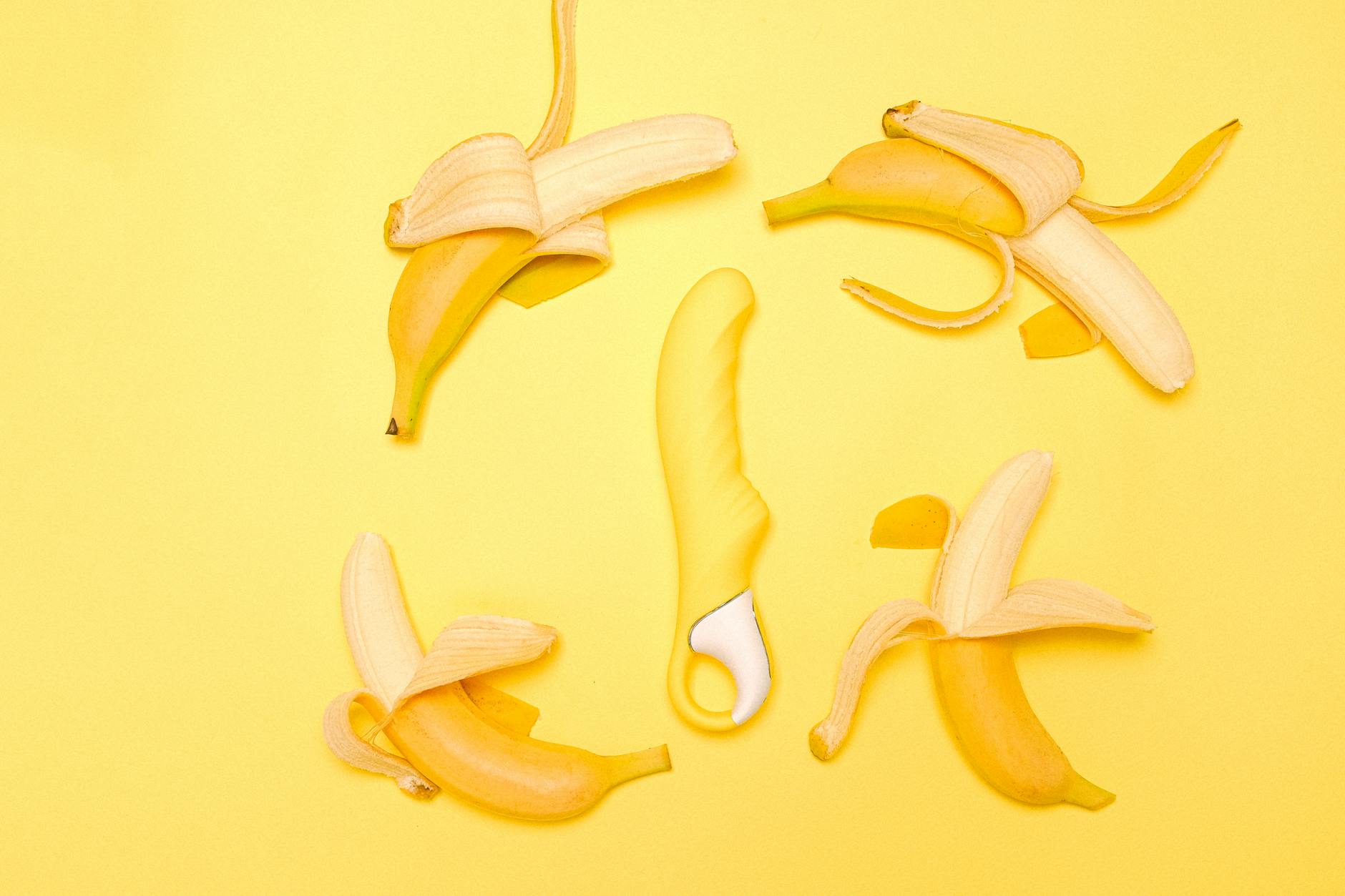
A lemon clitoral vibrator changes the equation. Not by eliminating pain (that's your doctor's job), but by giving you a pathway to pleasure that completely bypasses the source of pain. When you step outside the penetration paradigm, you step into a space where your body can remember what good feels like.
Understanding what's actually happening
Dyspareunia has a dozen different causes. Endometriosis. Pelvic floor dysfunction. Vulvodynia. Atrophy from hormonal shifts. Scar tissue. Infections. Psychological trauma. Sometimes it's pure muscular tension from bracing yourself against the idea of pain.
The clinical detail matters only if it changes your treatment plan. What matters for pleasure right now is this: clitoral stimulation exists in a different anatomical space than penetrative sensation. Your clitoris has 8,000 nerve endings. None of them connect to the pain you're experiencing during intercourse.
A lemon vibrator, or any clitoral vibrator, activates those nerves in isolation. The sensation arrives clean, unmarked by fear or anticipation. For someone managing dyspareunia, that's the difference between forced exposure to your pain and genuine escape from it.
Why a lemon vibrator specifically works better than other options
I'll be straightforward: not all vibrators are created equal for someone with dyspareunia. A vibrator that's too intense or creates pressure (like some wand vibrators) can trigger protective muscle tension in your pelvic floor. Your body reads intensity as threat.
Lemon clitoral vibrators use air suction technology, which is gentler and more controlled than traditional vibration. The Lem, for example, delivers stimulation through wave-like suction patterns rather than direct friction or percussion. That distinction matters because:
First, suction stimulates the nerve endings without harsh mechanical pressure. Your tissues don't have to brace. Second, the patterns are rhythmic and predictable, which helps your nervous system feel safe. Third, you have precise control over intensity, starting at patterns so subtle they're almost meditative.
For someone rebuilding trust with their own body, that precision is everything.
How to start using a lemon vibrator when penetration hurts
The goal here is not to jump straight to pleasure. The goal is to rewire your nervous system's relationship with genital touch.
Start solo. I mean genuinely solo, without any agenda beyond sensation mapping. Set aside 20 minutes when you have privacy and zero expectations. This isn't performance; it's research on your own body.
Apply water-based lubricant generously. Even if you don't normally feel that you need it, use it anyway. Lube isn't about quantity of natural lubrication; it's about reducing friction and sending a signal to your nervous system that this touch is safe and intentional.
Start with your lemon vibrator on the lowest setting (pattern 1 or 2 on most lemon adult toys). Begin on the outer labia or perineum, not directly on the clitoris. You're testing whether your body can receive pleasure touch without pain. Many people with dyspareunia have conditioned themselves to tense at any genital touch because they've learned to associate it with pain.
Give yourself 5-10 minutes at this outer layer. Notice whether your breathing changes. Notice whether you're contracting or softening. If you feel safe, move the vibrator slowly toward the clitoral region. There's no timeline here. If you feel anything other than curiosity or pleasure, pause.
Repeat this solo session 3-4 times before introducing a partner.
Rebuilding sensation and nerve confidence
When you live with dyspareunia, your nervous system is often stuck in a protective loop. Even on days when penetration isn't planned, your pelvic floor stays slightly tense. Your body is predicting pain and preparing against it.
Using a lemon clitoral vibrator consistently rewires that prediction. Every time you experience intentional, pain-free genital touch, you're adding evidence to your nervous system that sensation can arrive without harm. This is not metaphorical. This is measurable neuroplasticity.
I typically recommend 2-3 solo sessions per week for 4-6 weeks before you'll feel a noticeable shift in how your body receives touch generally. You'll notice yourself tensing less automatically. You might notice spontaneous arousal returning. You might be able to sit through a massage or a partner's touch without immediately bracing.
That's the nervous system learning that genital touch is not a threat.
Bringing a partner into the experience
The conversation with your partner matters more than the mechanics.
A lot of people with dyspareunia feel guilty involving a partner in a lemon vibrator experience. You might think, "This is solo pleasure, not for us." That's understandable, and it's also often where couples get stuck. You reclaim pleasure alone but don't know how to translate that back into shared intimacy.
Instead, frame it together. "I've been exploring what feels good without pain. I want to show you. No penetration involved. We're just trying something different." That's not rejection of your partner; that's an invitation.
A shared lemon vibrator experience might look like this: you use it on yourself while your partner is present. You talk about what you're feeling. You set the pace. Your partner is there to witness your pleasure, not to manage it or fix you.
After a few sessions of that, some couples find that incorporating a clitoral vibrator into partnered sex becomes natural. The vibrator isn't replacing anything; it's adding a layer of pleasure that exists independent of penetration. Many people with dyspareunia report that this actually makes penetration less central to sex, which paradoxically makes it less painful when it does happen, because the pressure is off.
The role of lube, timing, and pacing
Here are the specifics that prevent setbacks.
Always use water-based lubricant with a lemon vibrator or any silicone sex toy. Apply it generously. You want enough that you never feel friction. This isn't about quantity of natural lubrication; it's about reducing mechanical irritation and signaling safety to your nervous system.
Timing matters. Don't try a vibrator on days when you're having other pelvic pain, during a flare-up of your dyspareunia, or when you're emotionally activated (angry, anxious, stressed). Your pelvic floor will be protective no matter what the vibrator does. Choose windows when your body is already relatively calm.
Pacing is everything. If you're using a lemon vibrator, start at the lowest setting. Spend 15-20 minutes exploring at patterns 1 and 2 before you consider moving to a higher setting. I know that sounds slow. It is. Slow is the point. Your nervous system learns through gradual, consistent experience, not through reaching a higher goal.
When to see someone and what to advocate for
If you've been experiencing dyspareunia for more than a few months, see a pelvic health specialist or gynecologist before you do anything else. Some causes of painful intercourse are treatable, fast. Topical estrogen cream, antibiotics for an infection, physical therapy for pelvic floor dysfunction. Don't skip that step.
When you're in that appointment, be specific: "Pain during penetration" is less useful than "Pain at entry, sharp, like tearing." The specificity helps your doctor narrow the cause. And ask explicitly whether a clitoral vibrator is appropriate for your situation. Some conditions have specific contraindications, and your doctor will know yours.
When pleasure rebuilds alongside the healing
The timeline for recovering pleasure after dyspareunia is not linear. You'll have sessions where everything opens up and sessions where your nervous system still wants to protect you. That's normal. You're not going backward; you're just noticing the depth of the conditioning that pain created.
What I've seen in my practice is that when someone gives themselves permission to experience clitoral pleasure independently, something shifts in their whole relationship to their body. It's not that the pain vanishes. It's that pleasure stops being held hostage to pain. You separate the two.
A lemon vibrator is a tool for that separation. Use it. Use it slowly. Use it without agenda. And if you hit a wall, reach out to a pelvic health professional. Your body is not broken. It's just been protecting you. Now you're teaching it that safety and sensation can coexist.
People also ask
Is it normal to feel numb or nothing when first using a clitoral vibrator with dyspareunia?
Yes, completely normal. If you've been living with painful intercourse, your nervous system may have dampened sensation as a protective measure. Sometimes numbness isn't actual nerve damage; it's dissociation. Your body learned that not feeling is safer than feeling pain. A lemon clitoral vibrator will eventually rewaken those nerves, but it takes consistent, gentle exposure. Start with the lowest settings and give yourself 4-6 weeks of regular use before you expect noticeable sensation shifts.
Can I use a lemon vibrator if I'm still experiencing active pain from dyspareunia?
It depends on the source of the pain and its severity. If penetration-related pain is your primary issue, then yes, clitoral stimulation is typically separate and safe. But if you have generalized vulvovaginal pain or vulvodynia, even clitoral touch can be triggering. The rule: if it hurts, stop. There's no medal for pushing through. Consult a pelvic health physical therapist who can assess your specific situation. They might recommend desensitization work before you introduce a vibrator, or they might clear you immediately. Their assessment beats intuition every time.
Should my partner be involved from the start, or should I explore solo first?
Solo exploration first, for at least 3-4 sessions. The reason isn't about privacy or exclusion; it's about building your own relationship with pleasure before you introduce another person's presence, expectations, or energy. Once you've experienced a few sessions of reliable, pain-free pleasure on your own, bringing a partner in becomes about sharing something good rather than performing or proving something. That's a completely different emotional experience.
Will using a clitoral vibrator make penetration less important or attractive to my partner?
This is where couple communication matters. Clitoral vibrators add to pleasure; they don't replace partnership. Many people find that once they reclaim solo pleasure, they actually want more intimacy with a partner, not less. The pressure lifts. Penetration becomes something you might want rather than something you're obligated to endure. That shift often brings couples closer because sex moves from obligation to genuine desire.
How long does it take to rebuild pleasure after dyspareunia?
There's no universal timeline. Some people feel shifts in 4-6 weeks. Others take 3-4 months. Variables include the original cause of the pain, whether that's being treated, your stress level, your relationship quality, and your nervous system's natural healing pace. The best approach is to set a minimum commitment (8 weeks of consistent use) and then reassess how you're feeling. Progress often feels subtle until one day you notice you're not bracing automatically anymore.
Can a lemon sucker or clitoral vibrator help if dyspareunia is psychosomatic or trauma-related?
Partially, yes. If your pain is rooted in trauma or anxiety, the vibrator can still help desensitize your nervous system and rewire the automatic protection reflex. But it's usually most effective paired with therapy. A trauma-informed therapist working alongside your physical approaches will help you process the fear and belief structures that pain creates. The vibrator is a tool; the therapy is the framework that makes the tool meaningful.
Moving forward
Dyspareunia is isolating. It separates you from your own body, from your partner, from a whole dimension of yourself. A lemon vibrator isn't a cure, but it's a doorway back. It reminds your nervous system that genital touch can arrive without pain, that pleasure is still available to you, and that your body isn't the enemy.
Start small. Start solo. Start with the lowest setting on your lemon clitoral vibrator and give yourself permission to go slowly. Your body has been protecting you. Now you're teaching it that safety and sensation can exist in the same space.
If you need to talk through your specific situation or get support rebuilding intimacy with a partner, reach out.