Let's start with what matters
Trauma changes how your body receives touch. Not permanently, but very really. If you're dealing with touch avoidance rooted in past hurt, the idea of pleasure might feel impossible or even triggering right now. That's not weakness. That's your nervous system doing exactly what it was designed to do: protect you.
The good news is that solo pleasure tools like lemon vibrators can be part of reclaiming your body on your own terms, at your own pace. This isn't about forcing yourself to feel sexy. It's about slowly teaching your nervous system that touch can be safe again.
Why trauma changes touch sensation
When your body has experienced trauma, your nervous system becomes hypervigilant. Touch triggers a cascade of survival signals. Your brain is scanning for danger, even when none exists. This isn't a choice. It's a protective mechanism that made sense in the context of what happened to you.
Over time, this hypervigilance can mean that even consensual, wanted touch feels wrong. Your skin might tingle with anxiety. Your muscles might tense involuntarily. Your mind might disconnect from your body entirely. You're not broken. Your nervous system is working.
This is where self-touch becomes powerful. When you're the one in control of what happens, the pace, the pressure, the stopping point, your nervous system gets new information. This is safe. This is mine. This is different.
The paradox of clitoral vibrators and nervous system safety
Here's what I've observed clinically: many clients with touch trauma find external vibration easier to tolerate than human touch. Why? Because a device is predictable. It doesn't have emotions or expectations. It doesn't escalate. It responds exactly the way you command it to.
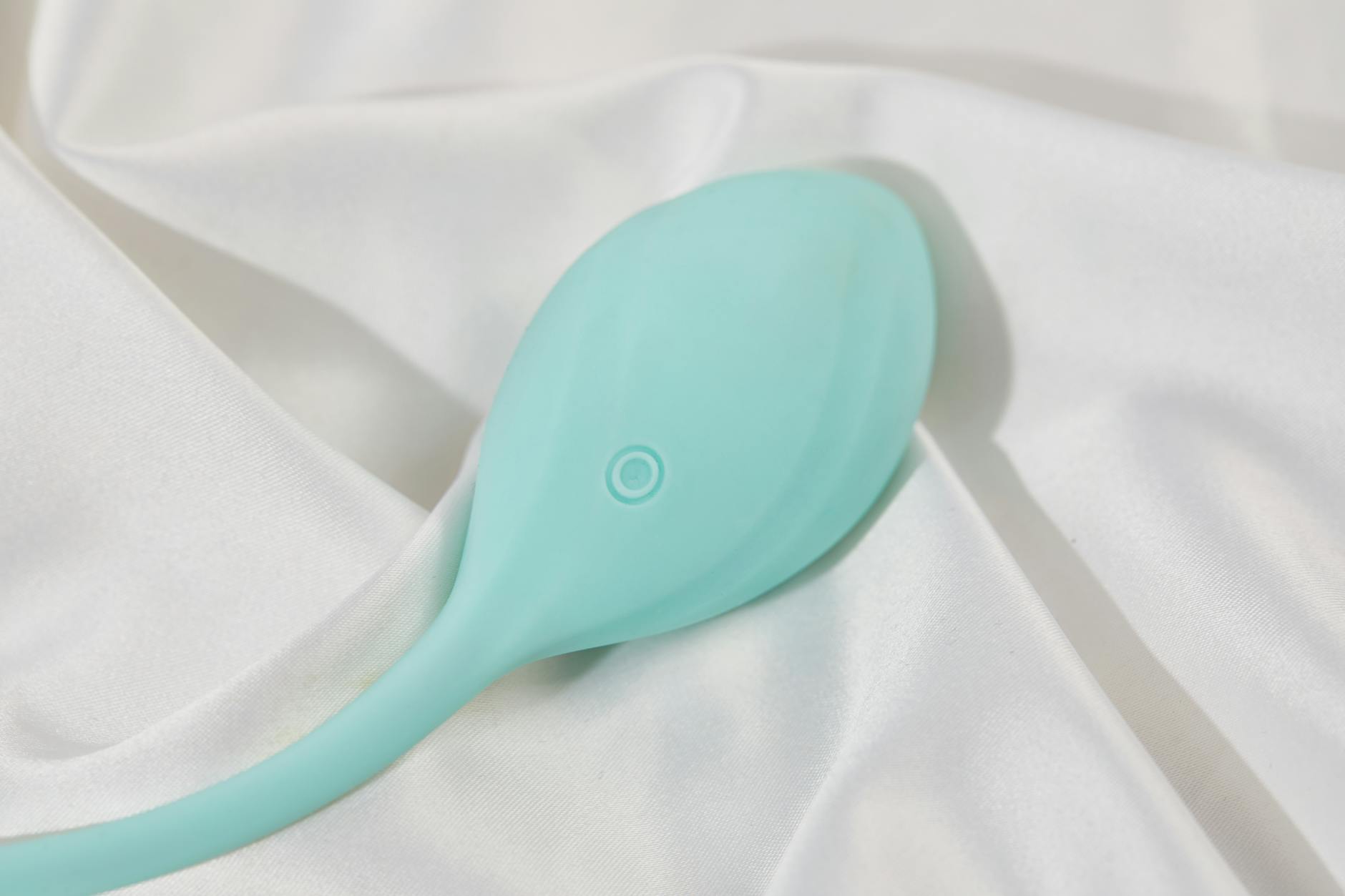
A lemon vibrator, with its gentle suction and rhythmic pattern, offers something specific: stimulation without pressure. You're not being pushed or held. There's no unpredictability. The device does the same thing every time you ask it to.
This predictability is deeply reassuring to a nervous system that's learned the world is unpredictable and dangerous. For some people, rebuilding pleasure starts here, in complete solitude, with a tool that responds exactly as intended.
Starting with sensations that feel safe
If you're working with touch trauma, I recommend starting not with the vibrator itself, but with the idea of it. Sit with the device nearby for a few days. Hold it. Look at it. There's no pressure to use it yet.
When you do decide to try it, start in an environment where you feel completely safe. Locked door, favorite music or silence, whatever helps your nervous system downshift. The goal isn't orgasm. The goal is tolerance. Can my body accept this stimulus without panic? Can I stay present?
Begin on the lowest setting. Many lemon vibrators have 3-5 intensity levels. Use pattern 1 or 2. You might not feel much. That's fine. Numbness is common when the nervous system is activated. You're teaching your brain that this is safe. Sensation will often come later.
Sessions might be 2-3 minutes long. That's enough. More isn't better. Consistency matters more than duration.
Building tolerance gradually
Over weeks, your nervous system will begin to relax slightly. You might notice you can stay present longer. The sensation might feel less alien. This isn't linear. Some days you'll feel triggered and need to stop. That's valid. Stop. Try again next week.
As tolerance builds, you might try slightly higher intensity levels. Again, small increases. You're not chasing pleasure yet. You're teaching your body that touch, even vibration, can happen without harm.
Many people working through trauma find that pleasure rebuilds in this order: tolerance, then curiosity, then mild enjoyment, then genuine sensation. It might take months. That's completely normal.
When to involve a therapist
If panic attacks emerge during these sessions, or if avoidance becomes stronger rather than weaker, you need professional support. Trauma responses aren't something to push through alone. A trauma-informed therapist, especially one trained in somatic experiencing or EMDR, can help you process what's happening while you work with your body.
I also recommend exploring this work in conjunction with any existing treatment. If you're in therapy, tell your therapist you're trying this. They might have insights that help. If you're not in therapy and trauma is affecting your life, that's the first step, before vibrators enter the picture.
The role of breathing and presence
Your nervous system responds to breath more than anything else. When you're using a lemon clitoral vibrator and you feel tension rising, slow your exhale. Make it longer than your inhale. This signals safety to your vagus nerve. Your system begins to calm.
Notice what's happening in your body without judgment. Warmth, tingling, numbness, tightness, nothing at all. Observe it like you're watching a cloud move across the sky. No good or bad. Just here, and then passing.
This is presence. This is the actual work. The vibrator is a tool. The real healing happens in your attention.
Navigating the shame that often comes with trauma
Many trauma survivors feel shame around pleasure, especially if the trauma was sexual. The idea of intentionally stimulating your genitals might feel transgressive, even if you're alone. This feeling is real and understandable.
Here's what I tell my clients: your body isn't the thing that hurt you. Someone else's actions did. Reclaiming sensation in your own body, on your own terms, is an act of self-possession. It's not shameful. It's recovery.
If shame surfaces during this work, pause. Breathe. Maybe journal about where that voice came from. It's probably not your voice. It's an old message you internalized. You're allowed to disagree with it now.
When a partner might be involved
If you have a partner and you're working through touch trauma, communication becomes essential. Your partner might want to be part of pleasure-building. That can be beautiful, but timing matters. Many therapists recommend rebuilding solo first, establishing that your body can experience sensation safely, before reintroducing a partner.
When you do bring a partner in, that's a separate conversation from your solo work. It requires explicit consent, clear boundaries, and the ability to pause or stop at any moment. Your partner also needs to understand that your trauma response isn't about them. It's about what your nervous system learned to do.
You might find that using a lemon vibrator together feels safer than other forms of touch. The tool is visible, predictable, and you control the pace. Some couples find this is how they begin reconnecting physically after trauma has created distance.
The healing timeline is yours alone
Someone might use a lemon vibrator weekly for six weeks and feel completely restored. Someone else might need a year or more. Both are fine. Trauma doesn't have a deadline. Neither does recovery.
What matters is that you're moving at a pace your nervous system can handle. Pushing too hard creates retraumatization. Going too slow can feel hopeless. Finding that middle path, where you're gently challenging your system without overwhelming it, is the art of trauma recovery.
If you're not seeing progress after several months of consistent, gentle work, that's information too. It might mean you need additional professional support. It might mean the timing isn't right yet. Listen to what your body is telling you.
Frequently asked questions
Can I use a lemon vibrator if I'm not ready to feel pleasure yet?
Absolutely. This work isn't about chasing orgasm or arousal. It's about teaching your nervous system that touch is safe. You might use a clitoral vibrator for months without feeling much sensation at all. That's completely okay. The tolerance you're building is the goal, not the outcome.
What if I panic during a session?
Stop immediately. Exit the situation. Ground yourself using the 5-4-3-2-1 technique: name five things you see, four things you can touch, three things you hear, two things you smell, one thing you taste. This brings your nervous system into the present. Then rest. Panic is information that you've gone too far. Adjust next time.
Is it normal to feel numb even with stimulation?
Very normal. Trauma often causes dissociation, a disconnection between mind and body. Your nervous system disconnects sensation as protection. Numbness can persist for weeks or months even with consistent stimulation. This isn't failure. Over time, as your system relaxes, sensation usually returns.
Can a lemon vibrator be part of therapy?
Some trauma-informed therapists do recommend body-reconnection work with tools. Talk to your therapist about what you're doing. They might have specific guidance based on your situation. Using a vibrator should always feel like something you're choosing, never something someone is pressuring you to do.
What if my partner wants to help but I don't want their touch?
Communicate clearly: "I need to rebuild this alone first. This isn't about you. I'm not excluding you. I'm protecting myself right now." A supportive partner will understand. If they can't, that's a separate issue worth exploring with a therapist.
How do I know when I'm ready for partnered touch again?
You'll start feeling less triggered during solo sessions. Your nervous system will feel calmer. You might feel genuine curiosity about being touched. These are signs your system is beginning to feel safer. Still go slow. Communication and consent matter infinitely more than before.
Moving forward on your timeline
Reclaiming your body after trauma isn't linear, and it isn't fast. Some days you'll feel hopeful. Some days you'll feel like you're back at square one. Both are part of the process.
A lemon vibrator can be one tool in your recovery toolkit. It's not a cure. It's not magic. But for many people, a clitoral vibrator becomes a way to reclaim sensation, agency, and pleasure on their own terms, at their own pace, in a way that feels safe.
Your body deserves to feel good again. Not on someone else's timeline. On yours.
Sources
.Porges, S. W. (2011). The Polyvagal Theory: Neurophysiological Foundations of Emotions, Attachment, Communication, and Self-regulation. W.W. Norton & Company.
Van der Kolk, B. (2014). The Body Keeps the Score: Brain, Mind, and Body in the Healing of Trauma. Viking.
Gottman, J. M., & Gottman, J. S. (2017). The Man's Guide to Women: Honest and Effective Strategies That Strengthen Your Relationship. Rodale Press.