Let's be real about aging and orgasms
Here's the thing nobody tells you: your orgasms don't have an expiration date. What changes is the path to get there. Your clitoris doesn't become less sensitive as you age; it becomes differently sensitive. The nerve endings stay. What shifts is how those nerves respond to stimulation, what speeds work best, and how your body communicates what it wants.
For a lot of people, that's actually good news. Because once you understand how your pleasure evolves, you can work with it instead of fighting it.
How your clitoris changes over decades
Let's break down what actually happens. As you move through your 40s, 50s, and beyond, several things shift simultaneously. Estrogen production decreases, which means the tissue around your clitoris becomes slightly less engorged during arousal. That sounds like a problem until you realize what it actually means: you need different types of stimulation, not no stimulation.
The clitoris itself has about 8,000 nerve endings, and that number doesn't change. But blood flow patterns do shift. Arousal takes longer to build. What worked as a quickie at 25 might need 15 to 20 minutes of warm-up at 50. That's not dysfunction. That's just information.
Here's what actually improves with age: your awareness of what you want. The noise clears. The pressure to perform for someone else (or for an imagined version of yourself) quiets down. A lot of people tell me their orgasms after 40 are more intense, more specific, and honestly more satisfying than anything earlier.
Why lemon vibrators work better as tissue changes
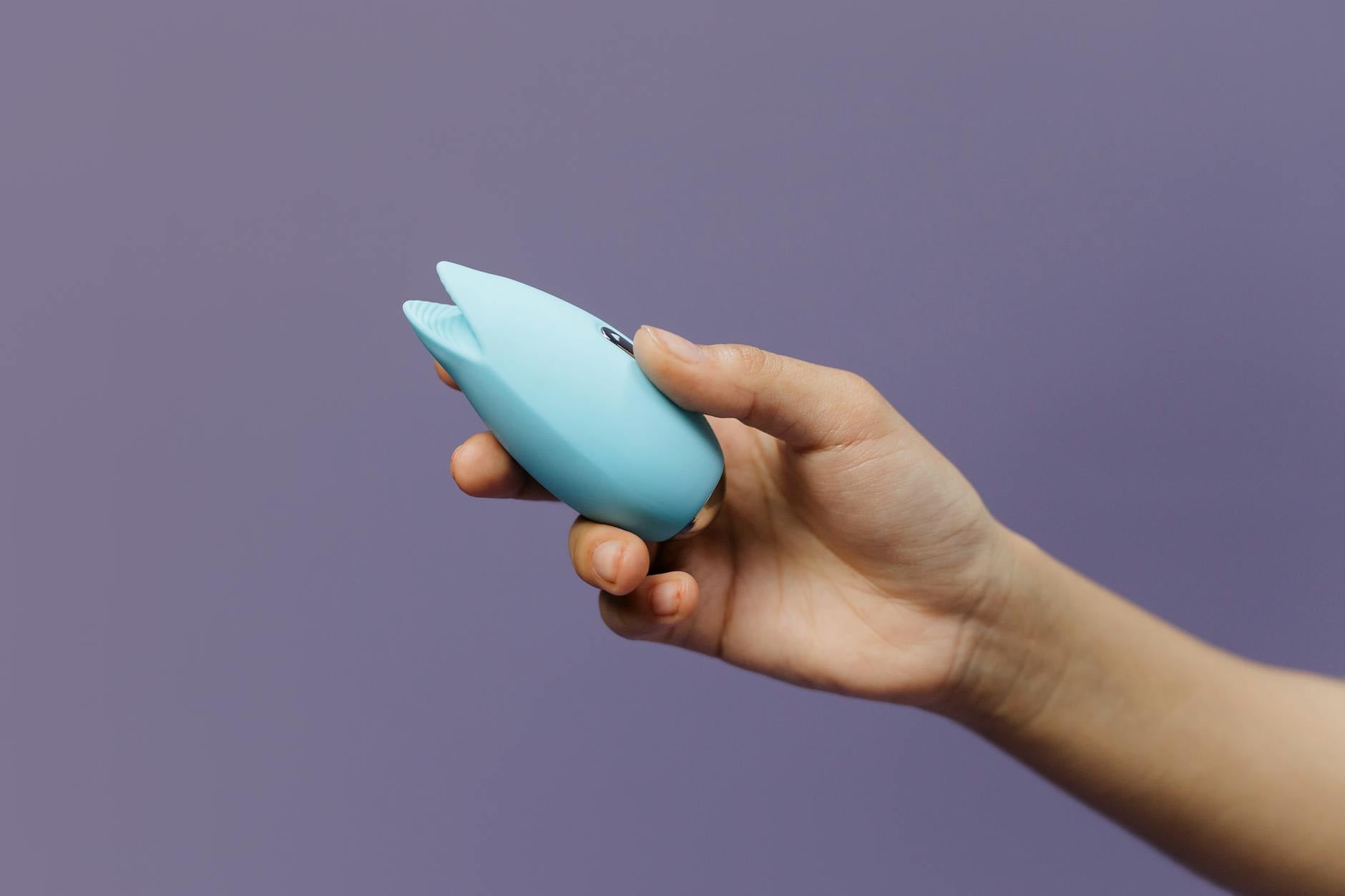
This is where the lemon clitoral vibrator design becomes genuinely useful. Traditional vibrators rely on oscillation, which works fine when tissue is highly engorged. But as your body ages, that constant friction can feel overstimulating or even uncomfortable. The clitoral suction approach of a lemon vibrator works differently: it creates a gentle seal and pulsing sensation that stimulates deeper nerve clusters without the harsh surface friction.
Think of it this way. A wand vibrator is like tapping on a door. A lemon sucker is like opening the door and drawing something out. For aging tissue, that second approach often feels more natural, more intense, and more satisfying.
I've worked with clients in their 50s, 60s, and beyond who said they'd never had an orgasm before trying a lemon suction toy. Not because they couldn't, but because what they'd tried before didn't match their body's current language. When you introduce a lem vibrator that works with tissue changes instead of against them, everything shifts.
Building your warm-up ritual
Okay, so first thing: forget the quickie assumption. Budget time like you're settling in to read a good book. This isn't about being slow or lazy; it's about letting arousal build naturally.
Start with sensation that doesn't even touch the clitoris yet. Touch your inner thighs. Run your fingers along your labia. Notice what feels good. A lot of people skip this part because they're trained to go straight for the goal. But skipping warm-up means your clitoris won't be fully engorged, which means you'll need way more pressure or speed to feel anything. Start slow, and your body does the work for you.
After 10 to 15 minutes of general touching, then you introduce the lemon vibrator. Start with a low suction setting, no pulsing. Let your body adjust to the sensation. You're not trying to rush to the finish. You're introducing a new sensation and letting your nervous system recognize it as pleasure.
Finding your pattern and intensity
Here's something I tell every client: your orgasm is not one size. You might have slow-building, full-body orgasms that take 20 minutes. You might have quicker, more localized pulses. You might have multiple, or you might have one enormous one. None of those is the right way. They're just different versions of your pleasure.
With a lemon vibrator, start at the lowest setting. Let it run for a few pulses. Notice how your body responds. Then move to the next setting up. You're not necessarily trying to find the highest intensity that feels good. You're finding the setting that creates the exact sensation you want.
A lot of people in their 40s and older discover they actually prefer lower to medium settings with longer pulse patterns, rather than high-speed constant vibration. That's not because they've lost sensitivity. It's because your pleasure is now more connected to depth, pattern, and rhythm than to pure speed.
The role of lubrication at every age
Lubricant isn't just for post-menopausal people. It's useful at every age, especially when you're using a lemon clitoral vibrator. Water-based lube creates a smoother glide for suction, helps the seal form better, and reduces any friction that might feel uncomfortable as tissue thins slightly with age.
I recommend applying lube directly to the toy and to your vulva, then reapplying as needed. A lot of people assume once is enough. It's not. Lube evaporates. You want to stay slick the whole time.
Using lemon vibrators with a partner
If you're with a partner, this is where communication actually matters, not as a chore but as a turn-on. Tell them what you're doing. Show them the toy. Let them hold it if you want, or let them touch you while you use it. Integrate it into your foreplay rather than treating it like a private solution.
Some people feel intimidated by toys. The conversation that works best is simple: "My body has changed, and this is what feels amazing now. I want to show you." Then you follow through. You use the lemon vibrator. You have an orgasm. You demonstrate that pleasure is expanding, not disappearing.
For long-distance partners, video calls with toys can be a serious bonding experience. Knowing someone's watching, wanting, and genuinely interested in your pleasure is often more stimulating than the toy itself.
When to see a professional
If you're experiencing pain, numbness, or a complete absence of sensation even with toys that used to work, talk to a healthcare provider. Sometimes age-related changes require topical interventions like estrogen cream, testosterone therapy, or pelvic floor work. A lot of people assume their pleasure is just gone when actually it's a fixable mechanical issue.
Same goes if you notice a significant drop in desire alongside physical changes. Sometimes that's just life phase. Sometimes it's worth investigating with a therapist or a menopause specialist. Your pleasure deserves that attention.
Making it a practice, not a performance
Here's what changes everything: treating your own pleasure like a regular practice instead of an occasional event. That means using your lemon vibrator consistently. Explore what feels different week to week. Notice how your body responds to different patterns, pressures, and timing.
Your 50-year-old orgasm is not your 25-year-old orgasm. But for a lot of people, it's actually better. Deeper. More specific. More yours. Getting there just requires you to be willing to learn your body as it is right now, not as it was, and definitely not as you think it should be.
The clitoral vibrators designed with suction, like the lemon vibrator, are genuinely useful because they work with mature tissue instead of against it. Your pleasure isn't diminishing with age. You're just speaking a different language now. And once you learn it, you get access to some of the best orgasms of your life.
Frequently asked questions
How often should I use a lemon vibrator as I age?
There's no minimum or maximum. Some people use their lemon clitoral vibrator daily. Others prefer a few times a week. What matters is that you're listening to your body's signals. Overuse can lead to numbness, so if you notice decreased sensation, take a break for a week or two. Your clitoris is resilient, but like any part of your body, it benefits from variety and rest.
Can a lemon sucker help if I've lost sensation after menopause?
Yes, very often. The suction mechanism creates a deeper, broader stimulation pattern than traditional vibration. A lot of people who felt nothing with standard vibrators suddenly respond to lem suction toys. That said, if you've experienced significant numbness, it's worth checking in with a healthcare provider to rule out other factors like medication side effects or neurological changes.
Do I need a different lemon vibrator at different ages?
Not necessarily. The lemon design works across decades because suction adapts to tissue changes naturally. That said, if you're new to suction toys, starting with something adjustable like the Lem gives you control as your preferences evolve. You're not locked into one intensity level.
Is it normal for orgasms to feel different after 40?
Completely normal. Your orgasms might be shorter, longer, more intense, less intense, different in location, or completely different in feel. None of those variations are problems. They're just variations. The only thing that matters is whether you like how they feel.
Can aging affect how my partner perceives my pleasure?
Sometimes, yes. If your partner is used to specific signs of arousal, changes in your body might make them worry something's wrong. The fix is conversation. Show them that pleasure is still there, just different. Include them in your exploration. Let them see you use a lemon vibrator and experience it. That shared learning often brings partners closer together.
What if I've never used a vibrator before and I'm over 40?
You're actually in a perfect position. You don't have decades of habit to unlearn. Your body will tell you what feels good immediately, without comparison to anything else. Start with a lemon clitoral vibrator on low, use plenty of lube, and give yourself permission to explore without judgment. Some of the most enthusiastic toy users I've worked with are people who didn't try anything until after 40.