Here's the thing about antidepressants and sex
Your medication is doing exactly what it's supposed to do. SSRIs, SNRIs, and other antidepressants quiet the noise in your brain so you can function. That's the win. But somewhere between the neurotransmitter rebalancing and the anxiety relief, sensation can flatten. Orgasms get harder. Arousal feels muted. And nobody warns you this might happen until you're already six months in and wondering if this is your new baseline.
It doesn't have to be.
I've worked with hundreds of clients navigating this exact friction. The mistake most people make is framing it as an either/or choice: either you take the medication and accept numb sex, or you abandon your mental health to feel something. That's a false binary. There are tools, strategies, and specific approaches that bring sensation back without touching your prescription.
Why antidepressants change sensation
SSRIs and SNRIs increase serotonin availability in your brain, which steadies mood but can also quiet the neural pathways involved in arousal and orgasm. Think of it like turning down the volume on the whole system, not just the anxiety channel. The clitoris has about 8,000 nerve endings designed to fire quickly and intensely. When your nervous system is chemically quieted, those signals travel slower. What used to take five minutes might take twenty.
The numbness you're feeling is real physiology, not psychosomatic. Your body isn't broken. Your nervous system is just working with different settings.
For some people, this effect softens over time as the body adjusts. For others, it's persistent for as long as you're on the medication. And here's what your doctor may not have told you: many antidepressants affect sensation differently depending on the specific drug. Sertraline often hits sexual function harder than escitalopram. Paroxetine is notorious. Bupropion is gentler. If you're months in and suffering, asking your prescriber about switching isn't weakness. It's informed self-advocacy.
How clitoral vibrators help when sensation is muted
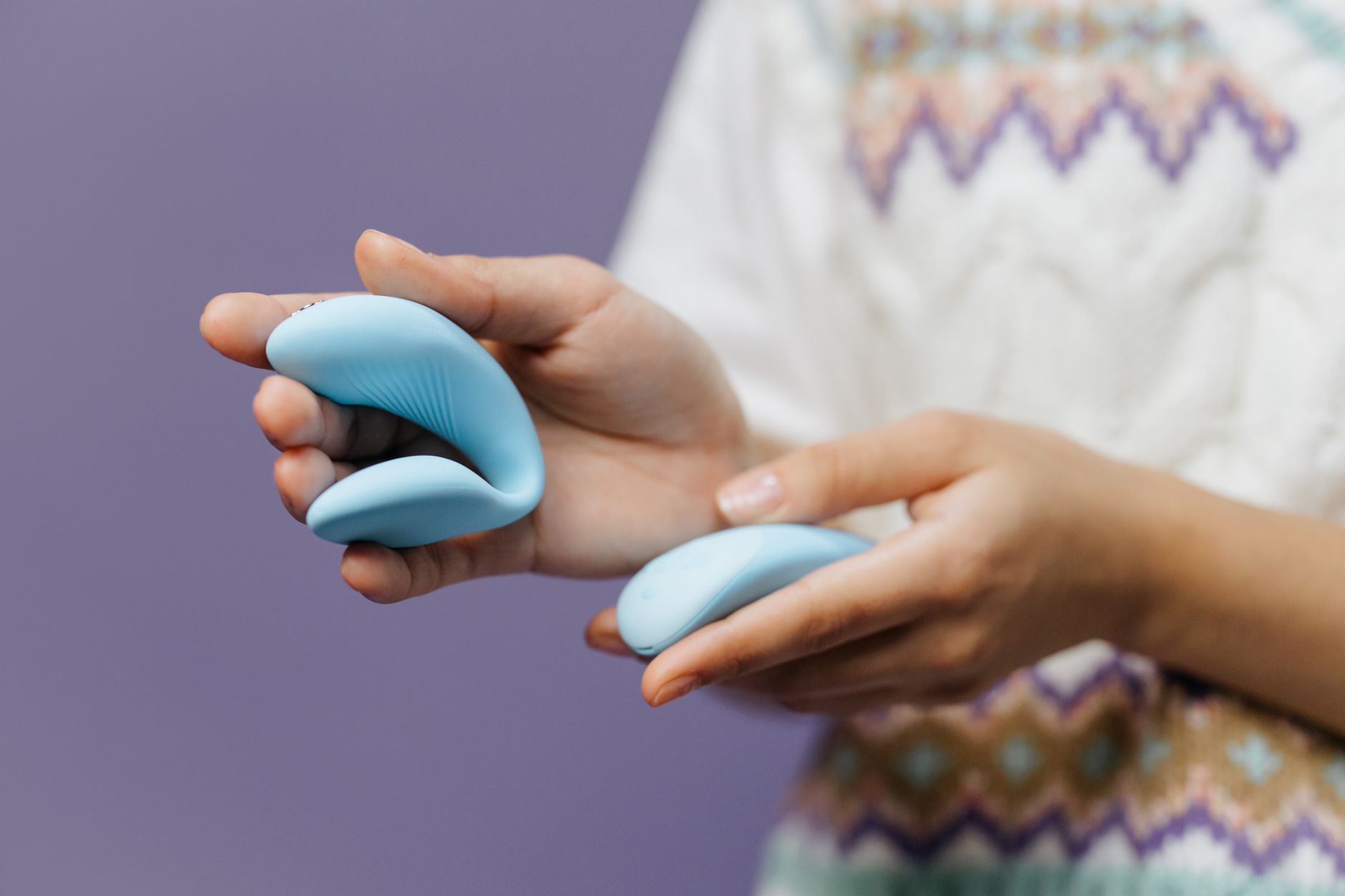
A lemon vibrator works through suction and rapid pulse patterns that stimulate nerves directly, bypassing the delayed-signal problem antidepressants create. Instead of waiting for your nervous system to build arousal slowly, the vibrator creates consistent, intense stimulation that wakes up sensation in real time.
The key is understanding that you're not trying to force an orgasm. You're retraining your body to recognize pleasure again.
When sensation is muted, you need three things a regular vibrator can't always deliver: sustained suction that keeps stimulation constant without requiring you to build pressure yourself, pattern variety so your nervous system doesn't habituate (the reason you might feel nothing after five minutes), and the ability to start at low intensity and scale up.
A lemon clitoral vibrator checks all three. The suction mechanism means stimulation doesn't depend on you maintaining friction. The multiple patterns give your nerves something new to respond to. And you can spend ten minutes on pattern one, shift to pattern two for five minutes, then try three. This variation is what breaks through the numbness.
Getting started with a lemon vibrator while on antidepressants
Start with the lowest suction setting, not the highest. Counterintuitive, I know. But when sensation is already dampened, jumping to intense suction might feel like pressure without pleasure. You're looking for stimulation you can actually feel, which means starting small and letting your body calibrate.
Budget more time than you think you need. If you used to orgasm in ten minutes, expect twenty to thirty now. This isn't a failure. It's your nervous system working harder to register sensation. Some of my clients find this slower approach actually deepens the experience. There's less performance pressure and more room for exploration.
Lubricant matters more than you'd think. Even if you're producing natural lubrication, adding water-based lube reduces friction resistance and makes the suction mechanism more effective. You're not trying to maximize sensation through intensity. You're trying to maximize it through consistency.
Warm up first. Spend ten to fifteen minutes on non-genital touch. Touch your breasts, your inner thighs, your neck. The goal is to alert your nervous system that pleasure is happening. By the time you use the lemon vibrator, you're already partway into arousal.
Working with your partner while on antidepressants
If you're in a relationship, this conversation matters. "I'm taking medication that's affecting my sexual response, and I'd like to use a clitoral vibrator as part of our sex life" is a complete sentence. You don't need to apologize or over-explain.
What helps most couples is reframing the vibrator not as a replacement for partnership but as a tool that brings you back into capacity for pleasure. Some partners feel threatened by vibrators initially. If yours does, the honest conversation is this: you're not choosing the vibrator over them. You're choosing your mental health medication, which means you're choosing the stability that makes your relationship possible. The vibrator just helps bridge the gap that the medication creates.
Many couples find that using a lemon vibrator together, with your partner operating it or stimulating you elsewhere while you focus on the sensations, actually strengthens intimacy. There's something vulnerable and connecting about saying "help me feel this again."
Managing expectations around orgasm
Here's what I tell people: your first few sessions with a clitoral vibrator might not produce an orgasm. That's okay. You're not failing. Your nervous system is slowly reopening channels that the antidepressant quieted. Think of the first sessions as sensation practice, not orgasm hunting.
Some people find that orgasms return quickly once they start using the right tool. Others need weeks. Some discover that their orgasms feel different now but not worse, just reshaped. A few people find that supplementing sexual pleasure with other forms of intimacy, touch, and connection actually matters more than the orgasm itself.
The goal isn't to get back to baseline. The goal is to rebuild a version of sexual pleasure that works with where your body is now.
When to talk to your doctor
If sensation doesn't improve after four to six weeks of regular use, or if the side effects are actively harming your relationship, bring this to your prescriber. Don't frame it as a complaint. Frame it as data: "I'm noticing sexual side effects are persistent. Would it make sense to explore a different medication or dosing adjustment?"
Some doctors prescribe bupropion alongside SSRIs specifically to counteract sexual side effects. Others lower the dose slightly. A few try a different class entirely. None of these conversations are unusual. Your doctor has had this talk with dozens of patients.
You deserve a medication that stabilizes your mood and a body that still feels pleasure. Those two things aren't mutually exclusive.
The bigger picture
Antidepressants have changed lives. They've pulled people out of darkness. The sexual side effects are real, but they're also manageable. When sensation is muted, a lemon vibrator gives you a concrete tool to work with while your medication does the deeper work. Some people use it long-term. Others find that after a few months, sensation normalizes and they drift away from it. Both are fine.
What matters is that you're not silently accepting numbness as the price of stability. It's not. Pleasure and mental health aren't enemies. They just sometimes need a bridge, and clitoral vibrators are remarkably good at building that bridge.