Here's the thing about always being the one to ask
You've probably noticed the pattern. You initiate. Your partner declines, or says maybe later, or doesn't seem interested. You wait. You stop asking. A few weeks pass. You start feeling small, like your desire is an inconvenient thing you should apologize for.
That feeling is the whole problem. Not the initiation itself, but the shame that comes with it.
Why imbalanced desire becomes a resentment factory
When one partner consistently initiates and the other consistently doesn't, it does something to both of you. The initiator starts to feel rejected, which feels personal even when it isn't. The less-interested partner feels pressured, which makes sex feel like a task they're failing at. Nobody's having fun. Both people feel lonely.
This isn't always about mismatched libido (though sometimes it is). Often it's about power. When the person with lower desire holds the veto, they have control over whether sex happens at all. That control can feel safe, but it also makes the other person feel like their pleasure is negotiable, conditional, dependent on someone else's mood.
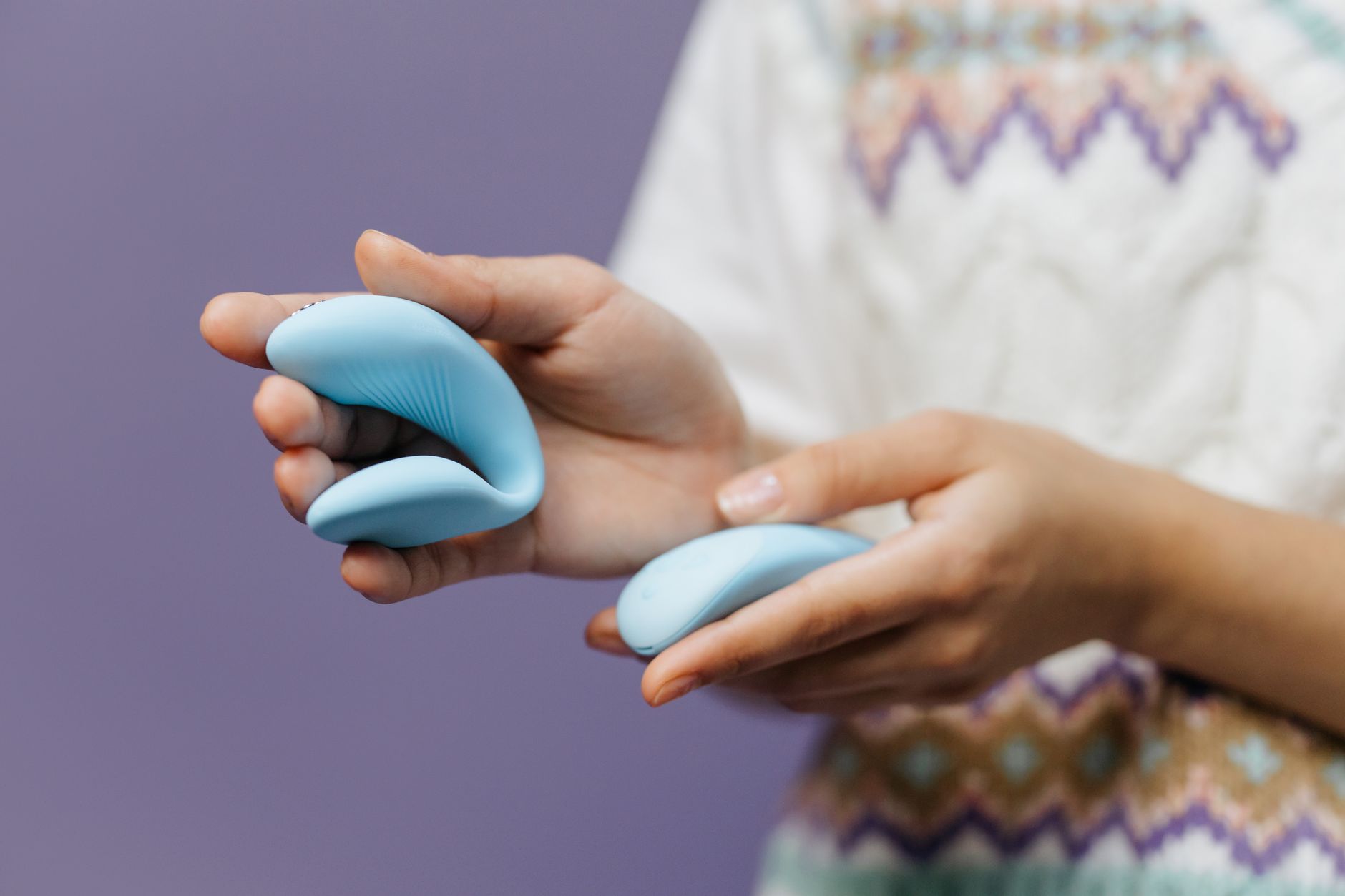
That's where a lemon clitoral vibrator enters. Not to replace your partner, but to give you back your own power.
The shift that changes everything
Here's what I tell couples in my practice: the goal isn't to punish your partner by getting off alone. The goal is to stop asking permission.
When you use a lemon vibrator when you're the only one initiating, you're doing something radical. You're saying: my pleasure doesn't need to be negotiated. My desire is valid whether or not someone else reciprocates it. I don't need approval to feel good in my own body.
That's not selfish. That's honesty.
Some partners feel threatened by this, it's true. Especially if they've gotten used to being the gatekeeper. But here's what actually happens more often: when the initiator stops waiting and starts honoring their own need for physical sensation, the dynamic shifts. Suddenly sex isn't a transaction where one person is doing the asking and the other is doing the tolerating. It's just there, openly, as part of the relationship.
How to actually use a lemon vibrator in this situation
Start with privacy, not secrecy. There's a difference. You're not hiding it. You're also not performing it. You don't need your partner's permission, but you also don't need to invite them to watch if you don't want to. This is your time, in your body, for you.
Set a real boundary with time. Give yourself a specific window. Twenty minutes on Tuesday evening. Sunday morning before you both get up. Not sneaking around, not hiding it. Just claiming it like you'd claim a workout or a shower. This removes the shame and makes it normal.
Use the lemon vibrator without expectation. This matters. If you're hoping that your partner will hear the lemon vibrator and suddenly want to join, you're still performing for them. You're still making your pleasure about their response. Don't do that. Use it for you. If they're interested, great. If not, that's fine too. The goal is the sensation, not the outcome.
The lemon clitoral vibrator's suction-based stimulation is particularly useful here because it's distinctive. It feels different from anything a partner could replicate with hands or body. It's uniquely yours. The lem vibrator, with its gentle suction pattern, lets you explore what feels good without the pressure of someone else's rhythm or expectations.
Notice what changes emotionally. This is the part nobody tells you. When you give yourself permission to feel pleasure on your terms, your entire relationship to sex shifts. You stop carrying the weight of initiation. You stop feeling rejected when your partner isn't interested because you're no longer asking them for access to your own body. That's not nothing.
What happens next (spoiler: it gets better)
In my experience working with couples, one of two things happens. Either the dynamic starts to change organically because the pressure is off, or your partner's lack of interest becomes really visible and you have to have a different conversation.
Both of those are better than where you started.
When the pressure lifts, partners sometimes become more interested because sex stops feeling like a performance they're failing at. The less-interested partner can relax. The initiator can breathe. That's when real desire comes back sometimes, not because someone's forcing it, but because it's safe again.
Otherwise, you have clarity. You have data. If your partner isn't interested in sex even when you stop asking, when you stop needing them to validate your desire, then you're looking at a deeper incompatibility. That's information you need.
The guilt conversation (and why you don't need to have it)
Some people worry that using a lemon vibrator when they're the only one initiating is somehow a betrayal. That they should feel bad about it.
You shouldn't.
Your body isn't cheating. Your body isn't cheating because it isn't leaving your partner out of anything they want to be in on. You're honoring your own nervous system. You're taking care of yourself. That's not a violation of your relationship. That's basic self-preservation.
If your partner has internalized beliefs about vibrators or solo pleasure that make them uncomfortable, that's their thing to work through, not your burden to carry. Your clitoral vibrator isn't the problem in your relationship. The problem is that someone's desire became negotiable.
When to bring it into shared space (if you want to)
Maybe at some point you do want to introduce a lemon vibrator to your partner. That's different. That's bringing them in intentionally, with your own desire centered, not asking permission.
But that's a separate choice. First, you reclaim your pleasure in private. You remember what it feels like to not ask. You feel the difference in your own nervous system. Then, if you want your partner there, you can invite them from a place of fullness instead of from a place of lack.
If your partner has been uninterested, bringing a lemon clitoral vibrator into the bedroom together might actually shift things. Sometimes partners who aren't interested in initiating are very interested in participating. Sometimes the suction sensation of a lem vibrator on the clitoris is exactly what helps both people get on the same page.
But that has to come after you've claimed your own pleasure solo. Otherwise, you're still looking to them for validation.
The real work happens between conversations
Using a lemon vibrator when you're the only one initiating isn't the solution to your relationship problem. But it's often the beginning of one. It's where you stop accepting that your desire is conditional.
Your pleasure matters. Not when your partner approves of it. Not when it's convenient for them. Now. In your body. In whatever way brings you joy.
People also ask
Is it wrong to use a clitoral vibrator if my partner doesn't know about it?
Wrong is a strong word. Using your own body in private doesn't require someone else's permission. That said, if you're hiding it because you believe your partner would be upset, that's worth paying attention to. A healthy relationship should have space for solo pleasure. If it doesn't, that might be the real conversation you need to have.
Will my partner get upset if I start using a lemon vibrator alone?
Maybe. Some partners feel threatened by vibrators initially, especially if they're already feeling like sex is imbalanced. But here's the thing: if they get upset about you honoring your own body, that's information. That tells you something about how they view your pleasure. In a healthy relationship, partners want each other to feel good. If your partner can't handle that, you have bigger work to do than vibrator conversations.
Does using a lemon clitoral vibrator when my partner isn't interested count as cheating?
No. Absolutely not. Your body isn't a betrayal. Your pleasure isn't a betrayal. Solo pleasure is part of a healthy sexual life, whether you're partnered or single. If your partner believes it is, that's a difference in values worth exploring.
Can a lem vibrator help fix desire imbalance in my relationship?
It can help shift the dynamic, but it's not a fix. A vibrator can help you reclaim your own pleasure, which takes pressure off your partner, which sometimes makes space for their desire to come back. But if the imbalance is about deeper incompatibility or control issues, a vibrator won't solve that. You might need to talk to a couples therapist.
How often should I use a lemon vibrator if my partner rarely initiates?
As often as you want to. This isn't about moderation or looking reasonable. This is about your body. Use it when you feel like it. The goal is to normalize solo pleasure, not to minimize it. When it becomes routine and unremarkable, it loses its shame weight.
What if using a vibrator solo makes me feel more resentful of my partner?
That's actually important information. Resentment often means something real needs to change. If touching yourself brings up anger at your partner, it might be time to have a real conversation about what you need from the relationship. A vibrator isn't a substitute for that conversation, and sometimes the clarity it brings makes you realize the conversation is urgent.
What comes next
Your desire matters. Not because it benefits your relationship, though it might. Not because it's what your partner wants, though they might come around. It matters because it's yours. When you stop asking permission to feel good, everything shifts. The resentment softens. The pressure lifts. And sometimes, just sometimes, your partner notices and wants back in.