Here's the thing about long-term partnerships and physical distance
After ten, fifteen, twenty years together, most couples stop having sex. Not because they don't love each other. Not because attraction has vanished. But because the physical connection gets buried under mortgage payments, work stress, parenting, aging parents, and the sheer inertia of routine.
The sex that used to happen spontaneously now requires planning. The spontaneity that made it feel intimate gets replaced by obligation. And when obligation shows up, desire typically leaves through the back door.
Here's what I see over and over in my practice: couples who think they need to have some big conversation or book a couples' retreat. And sometimes they do. But often, what they actually need is a practical tool that lets them experience pleasure together without the weight of performance or expectation.
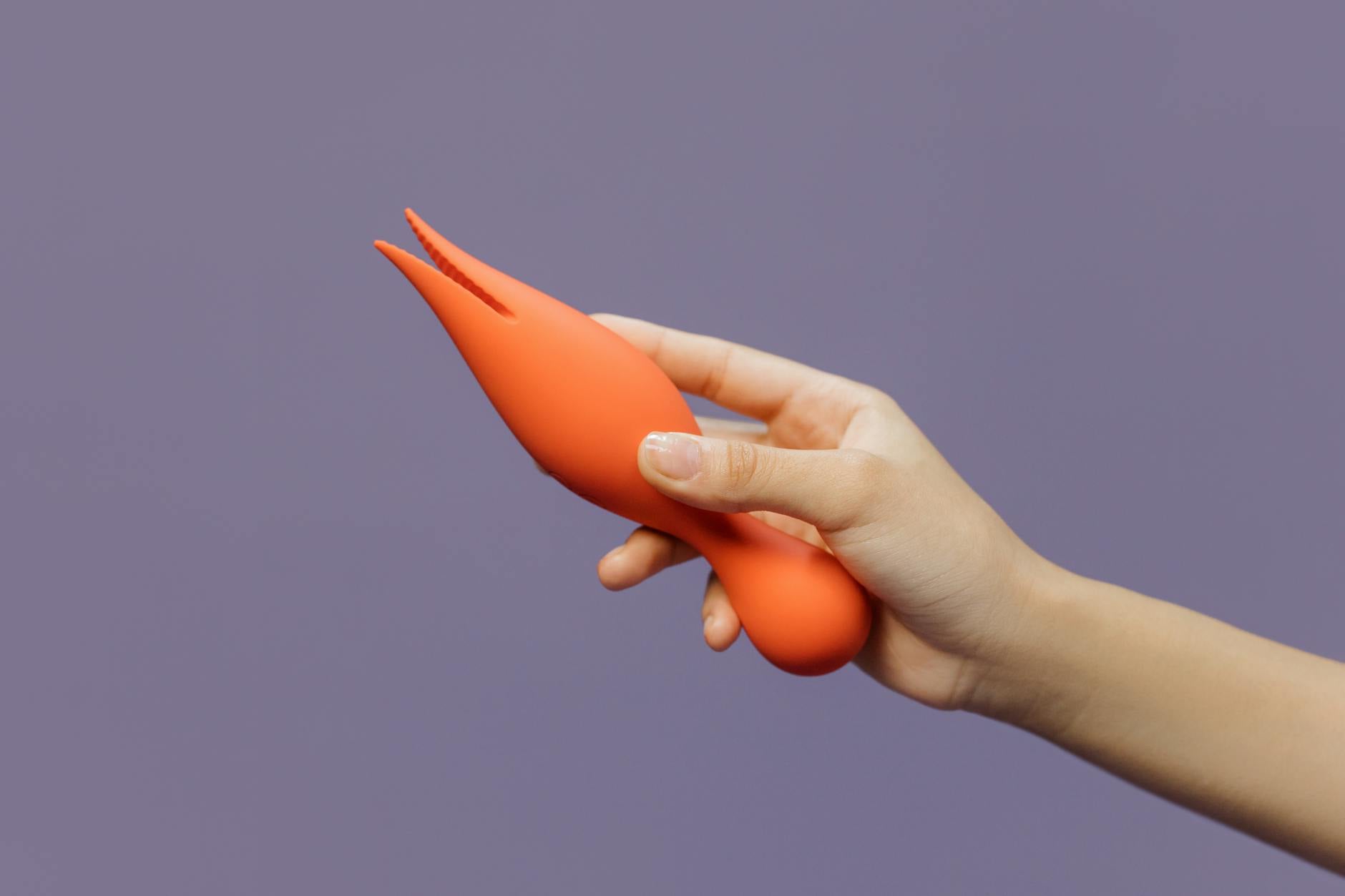
That tool, for many couples, is a lemon clitoral vibrator.
Why air-suction technology breaks the pattern differently
Most couples who've drifted physically fall into one of two traps: they either avoid sex entirely, or they approach it like a task to complete. A lemon vibrator (also called a lemon sucker, thanks to the air-suction design) works differently because it shifts the dynamic away from traditional penetrative sex, which often carries all the performance pressure.
Air-suction technology like the Lem uses gentle suction pulses instead of vibration. This matters because it removes friction from the equation entirely. For partners who've experienced physical tension around sex, that shift is relief.
It also matters because the sensation is novel. After years of the same rhythm, the same positions, the same predictable sequence, novelty alone can rewire how pleasure feels. Your brain stops autopiloting. You're both actually present.
The lemon clitoral vibrator also democratizes pleasure in a way penetration doesn't always do. There's no performance anxiety around "finishing." There's no timing mismatch. It's pure sensation, and it can be extended or shortened based on what feels good in that moment.
The psychological shift that actually matters
When my clients first introduce a lemon sexual toy into their partnership, I usually see the same pattern: initial awkwardness, then curiosity, then relief.
The awkwardness comes because it feels like an admission of failure. Like if the toy is needed, the partnership has somehow broken. That's not true, but the feeling is real.
What actually happens: the toy gives permission. Permission to prioritize pleasure. Permission to be selfish in a good way. Permission to admit that what used to work isn't working anymore, and that's information, not failure.
For many couples, a lemon vibrator is the first time in years they've explicitly said: "I want this. My pleasure matters. Let's make it happen together." That conversation, even without words, rebuilds something.
I see partners who've been distant for five years suddenly remember why they liked each other's company. Not because the vibrator is magic, but because mutual pleasure creates a different kind of intimacy than obligation sex ever could.
How to actually introduce it without killing the mood
Timing and framing matter more than you'd think.
Don't introduce a lemon clitoral vibrator during a conversation about your sex life feeling stale. That conversation is important, but it's not the moment to hand over a toy. The toy will feel like evidence in a trial you're both already losing.
Instead, introduce it when things are already good. Not great, just good. When you're both relaxed, you've had sex recently that wasn't terrible, and the mood is playful rather than desperate.
Frame it as exploration, not correction. "I read about these, and I'm curious" lands different than "I think we need to fix something." One is adventure. The other is maintenance.
Start with it solo. Let your partner watch if they're comfortable, or just mention that you're experimenting with it alone. Pleasure isn't a team sport. Once your partner sees you enjoying it, curiosity usually follows.
When you do use it together, positioning matters. Penetrative sex with a lemon sexual toy happening simultaneously often works better than the toy as the entire event. It keeps the partnered element, while introducing the novelty.
Some couples find it helps to set a lower bar: "Tonight's not about finishing. It's just about trying this together." That removes performance pressure and makes space for actual pleasure.
What shifts when you actually follow through
Couples who rebuild physical intimacy with tools like a lemon vibrator often report something surprising: sex becomes less frequent at first, but more satisfying.
That's because the performance pressure lifts. You're not having obligatory weekly sex. You're having sex when you actually want to, which is sometimes more often, sometimes less, but always more intentional.
The frequency doesn't matter as much as the quality of attention. A couple having sex twice a month with genuine desire present is rebuilding something. A couple having sex twice a week out of obligation is maintaining distance.
I also see couples develop a kind of playfulness they'd lost. There's something about introducing new sensation that reminds people their bodies are still interesting. That their partner is still interesting. That they're still capable of surprise.
Common concerns partners raise
Most couples have the same worry: "If we need a toy, does that mean something's wrong with me (or with us)?" The answer is no. Lemon clitoral vibrators aren't Band-Aids on a broken relationship. They're tools for people who still want to feel good and aren't afraid to ask for it.
The other concern: "Will my partner feel replaced or inadequate?" This one actually gets easier after the first time. Once a partner realizes the toy isn't about them being insufficient, but about expansion, that worry usually dissolves.
What helps: explicit reassurance. "I love having sex with you. I also love how this feels. Both can be true." That's not complicated, but it's specific, and it lands.
When this approach doesn't work
There are times when a lemon sexual toy won't solve the distance. If the emotional disconnection is the core problem, if there's infidelity or broken trust, if communication has completely shut down, then a vibrator is a distraction, not a solution.
But most couples aren't in that category. Most couples are in the far more common situation: they still love each other, they're still attracted, but the physical part of the relationship has calcified. For those couples, why lemon vibrators work better when rebuilding sexual confidence is often the missing piece.
What a lemon clitoral vibrator does is say: "We're going to try something different. We're going to prioritize feeling good together. We're going to be playful about it."
That's not fixing a broken thing. That's choosing to invest in something you both still want.
The real benefit: permission to change
Here's what I tell couples who are nervous about introducing toys: the toy isn't the solution. The toy is the conversation starter. It's the permission slip.
Once you've had the courage to say "I want to try this," and your partner hasn't reacted with disgust or shame, something shifts. You've both admitted that you want more. That wanting more is okay. That being adventurous doesn't mean something's broken.
That permission, once granted, tends to open other doors. Couples start asking about what else they want. They start paying attention to their own pleasure again. They remember that their partner's pleasure matters.
A lemon vibrator can be part of that journey. It's often where couples who've drifted start to find their way back to each other.
Practical steps to get started
If you're considering this: buy the toy for yourself first. Get comfortable with it. Understand how it feels on your body. That comfort will translate into confidence when you eventually involve your partner.
When you're ready to introduce it, choose a low-pressure moment. Friday night after a good week, not Wednesday when you're both stressed.
Start with conversation, not the toy: "I want to explore this together" is the entire setup you need. No justifications. No apologies.
If your partner seems uncomfortable, give them space. Curiosity can't be forced. But most partners, once they see their partner's pleasure, become curious on their own.
Keep lube on hand. Even if you don't think you'll need it, you will.
Give it more than one try before deciding it's not for you. The first time is often awkward. The second or third time is when people actually relax.
Remember: you're not trying to have Instagram-level sex. You're trying to feel good together. That's enough.
People also ask
Can you use a lemon vibrator if you've never used any toys before?
Yes. Lemon vibrators are often the entry point for couples because they feel less intimidating than traditional vibrators. The air-suction sensation is different enough to feel novel without being overwhelming. Start on the lowest setting and build from there.
Is it normal to feel awkward the first time using a toy with a partner?
Completely normal. Most couples feel awkward. That awkwardness usually fades by the second or third time because novelty wears off and pleasure takes over. Give yourself permission to laugh about it.
What if my partner refuses to even consider using a toy?
That's real information. It tells you something about their comfort level with exploration or their beliefs about sex. That's worth a bigger conversation, but not with the toy as evidence. A separate conversation about what you both want might help. If there's a pattern of refusing what you want, that's a relationship question, not a toy question.
Are lemon clitoral vibrators good for long-distance relationships too?
Yes, though the dynamic is different. Long-distance couples can use them during video calls, which adds a shared element even when physically apart. Some couples find it helps bridge the physical distance.
How do you know which intensity level to start with on a lemon vibrator?
Start with the lowest setting. Your body will tell you if you want more. Most people who are new to air-suction toys are surprised at how much sensation comes even from the gentlest setting. You can always increase it. You can't un-intensify if you've started too high.
Does using a lemon sexual toy mean we won't have regular sex anymore?
No. For most couples, toys become part of the rotation, not a replacement. Some nights it's just the toy, some nights it's the toy plus other things, some nights it's not involved at all. The goal is flexibility and pleasure, not rules.
What changes when you actually do this
Most couples who introduce lemon vibrators into their long-term partnerships report the same thing: sex stops feeling like maintenance and starts feeling like connection again. The pressure lifts. The novelty returns. They remember why they liked being physical together in the first place.
You don't need a perfect relationship to use a lemon clitoral vibrator. You need a willingness to prioritize feeling good. You need a partner who's willing to be playful. You need permission to try something different.
The rest follows from there.
If you're ready to have that conversation with your partner, that's the hardest part. The vibrator is just the tool. Your desire to reconnect is what matters.
Ready to start the conversation? Let's talk.