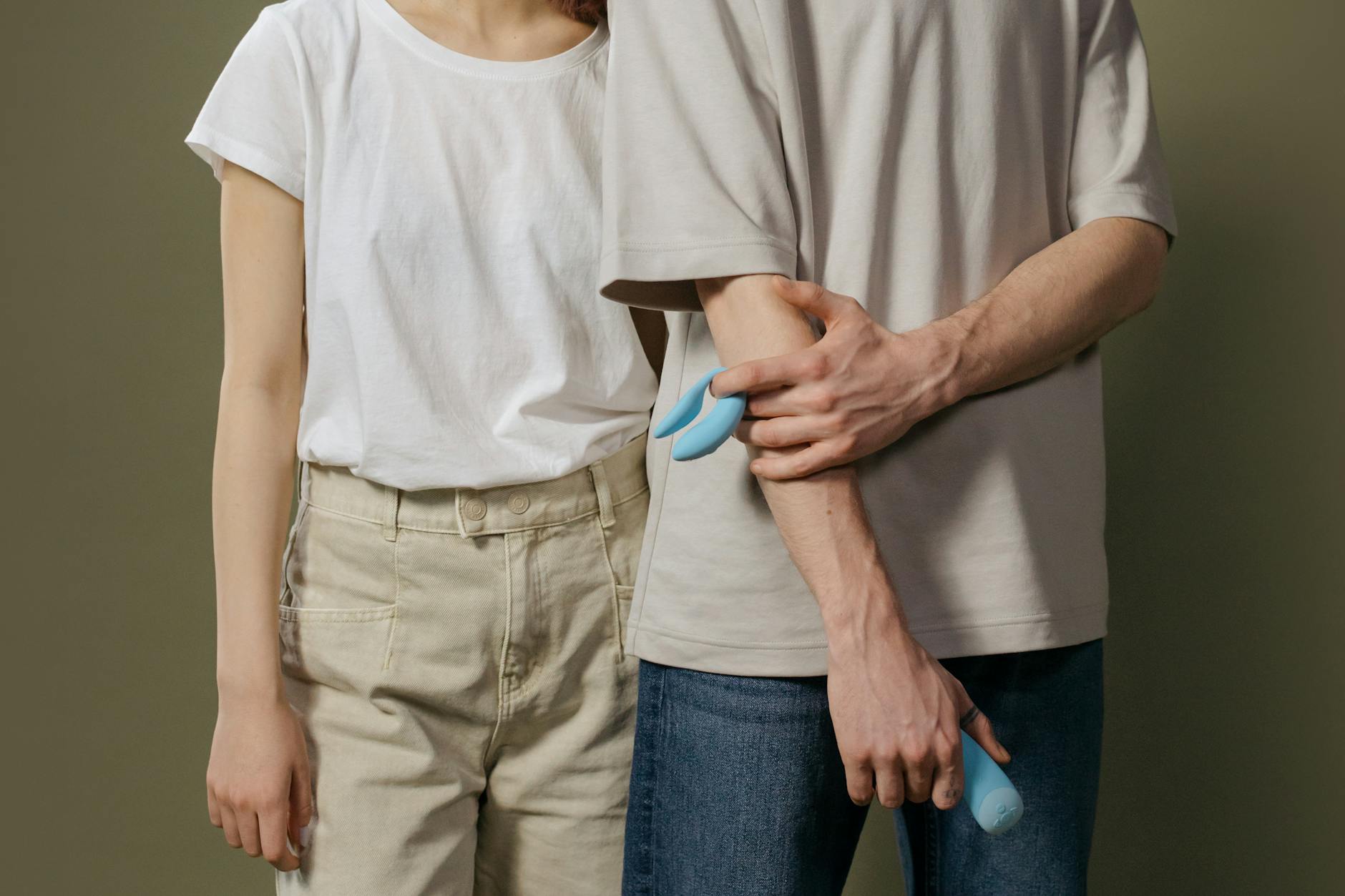
Here's the thing nobody tells you about pleasure after 40
Your body changes. The way clitoral vibrators feel changes with it. That's not depressing. It's actually useful information, and most people don't have it until they're already feeling confused or disappointed.
I've worked with hundreds of people navigating this exact shift, and the pattern is always the same. They reach for their favorite vibrator, and something feels off. Maybe it takes longer. Maybe the sensation feels duller. Maybe the intensity that used to feel perfect now feels slightly irritating. Then comes the spiral: "Am I broken? Is it the toy? Is this just how it is now?"
None of those are the right question. The right one is simpler: what changed, and what can I do about it?
What actually happens to your body around midlife
Estrogen and progesterone drop gradually starting in the late 30s and accelerate through the 40s. This isn't just about mood or hot flashes. It changes the tissue in your vulva, your vaginal lining, and your pelvic floor. Specifically:
Tissue becomes thinner and drier. Your vulva and vaginal walls have fewer blood vessels and less collagen. That's not poetic. That means less natural lubrication, tissue that bruises more easily, and reduced blood flow during arousal.
Arousal takes longer to build. The neural pathways for pleasure don't disappear, but the speed of response slows. You might need 20 minutes instead of 5 to reach the same level of engorgement.
Sensation distribution shifts. The clitoris itself doesn't lose nerve endings, but the surrounding tissue becomes less padded. Some people describe this as sensation becoming sharper or more localized. Others say the texture of stimulation feels different.
The pelvic floor tightens paradoxically. Even though estrogen supports pelvic floor tone, the loss of it often causes the muscles to become chronically tense. This can make penetration uncomfortable and change how vibration feels against the vulva.
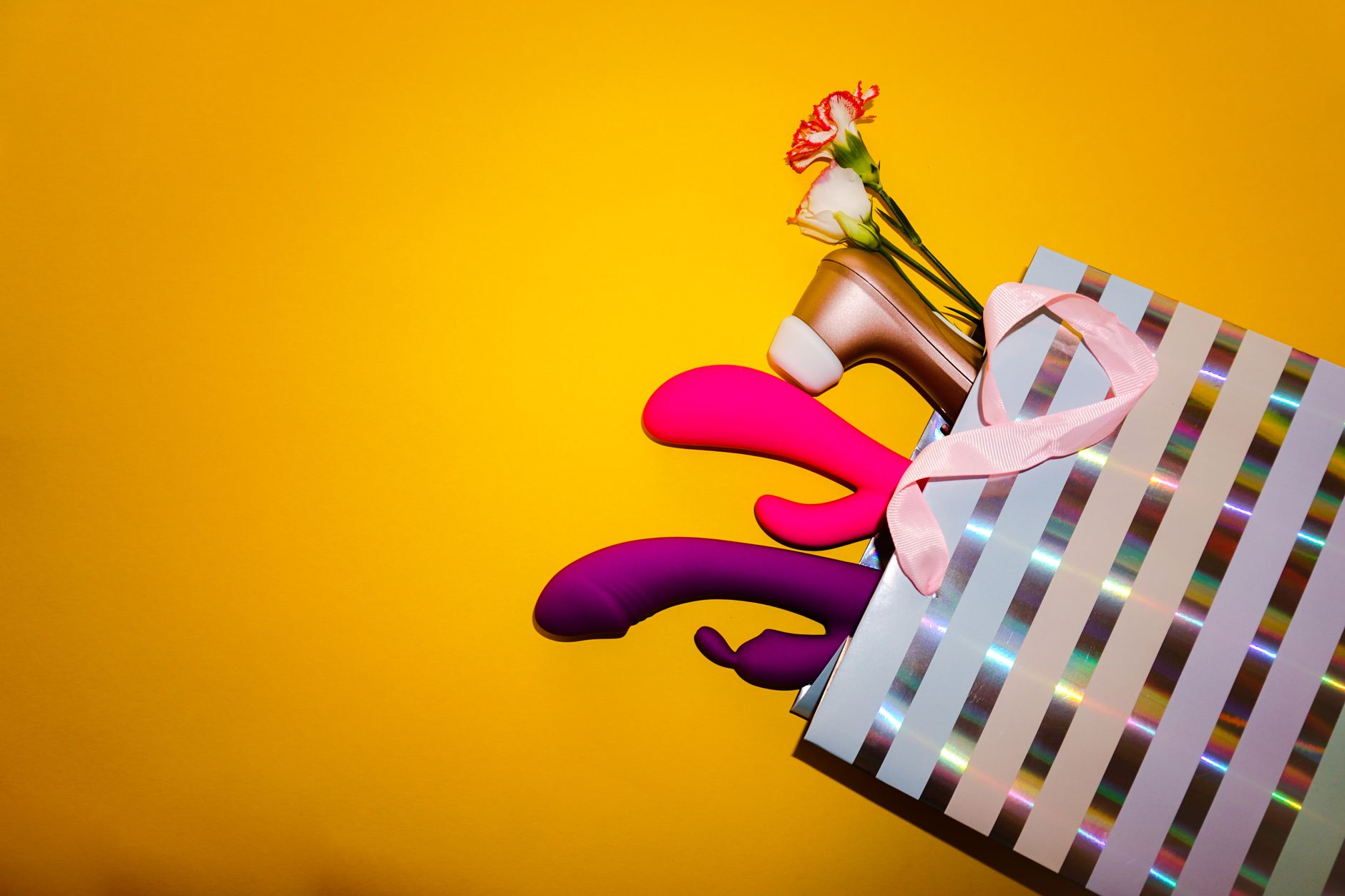
Photo by FounderTips on Pexels
But here's what doesn't change. Your clitoris still has around 8,000 nerve endings. Your brain's capacity for pleasure remains intact. The pathways that create orgasm are still there. Many people report that orgasms after 40 feel more intense, more localized, and more satisfying than they ever did in their 20s. That's not a consolation prize. That's a real phenomenon.
Why lemon vibrators can actually work better now
A lemon sucker or air-pulse clitoral vibrator like the Lem works differently than a traditional vibrator. Instead of direct friction or buzz, it creates gentle suction and rhythmic pressure. That matters because thinner, more sensitive tissue often responds better to suction than to grinding or high-frequency vibration.
Here's why. With direct vibration, you're relying on sustained contact and friction. Thinner tissue can get irritated or fatigued quickly. Suction-based stimulation distributes pressure differently. It engorges tissue over time rather than hammering it, which can feel more pleasurable and is gentler on delicate skin.
The Lem, for example, has adjustable intensity patterns that let you start low and build. That's genuinely useful after 40, when slower arousal buildup isn't a bug. It's the rhythm your body actually needs.
But the toy itself isn't the only variable.
The lubrication question
Lubricant stops being optional after 40. I don't mean a tiny amount. I mean enough that you're not creating friction.
Water-based lube is your friend here. It mimics natural lubrication, washes off easily, and doesn't degrade silicone. Silicone lubes feel richer and last longer, but they can damage silicone toys, and they're harder to rinse off if your skin is sensitive.
Use enough that you'd be slightly embarrassed by the amount. Your younger self would roll her eyes. Your 40+ self knows better.
The texture also matters. Some people prefer thicker, creamier lubes (like Hyalo Gyn or Hyabak). Others like the glide of thinner ones (like Uberlube). Experiment. Your preference now might not match your preference at 25.
Arousal time is not a problem to solve
When arousal takes longer, the instinct is to rush it. Use a stronger vibrator, turn up the intensity, skip the warm-up. That almost always backfires.
Instead, budget the time. Twenty to 25 minutes of touch, stimulation, or partnered activity before you bring in the vibrator. This isn't a delay. It's the actual experience. Orgasm is the punctuation mark, not the whole sentence.
If you have a partner, this is where the conversation gets good. A lot of couples in midlife report that this shift actually brought them closer because it forced them to slow down together. That's not healing the problem. That's discovering the problem was never really a problem.
When intensity doesn't feel right anymore
Some people find that high-frequency vibration (the standard buzz of most vibrators) feels too intense or even painful after 40. This is especially true if you're experiencing what's called genitourinary syndrome of menopause, or GSM.
GSM is treatable. Topical estrogen creams (like Vagifem or Estrace) applied to the vulva and vagina can rebuild tissue thickness in 2 to 4 weeks. The absorption is minimal and localized. Many people see dramatic improvement in sensation, comfort, and arousal response.
If topical estrogen doesn't fit your health picture, other options exist. Low-dose systemic hormone therapy, vaginal moisturizers used daily, and pelvic floor physical therapy all help. Talk to a menopause-informed doctor. Most standard gynecologists aren't trained in these tools.
The pelvic floor factor nobody mentions
A tight pelvic floor can make vibration feel uncomfortable or ineffective. Here's the irony. Kegel exercises are the standard recommendation, but if your pelvic floor is already overly tense, more squeezing can make it worse.
Learn to relax your pelvic floor first. Breathe into it. Imagine the breath going all the way down. Some people benefit from pelvic floor physical therapy with a specialist who can identify whether the issue is tension or weakness.
Once you know you can relax it, then adding gentle engagement becomes useful. But the default for most people after 40 is overly tense, not weak.
It's not all about hormones
Here's where my clinical experience matters. Hormones explain the tissue changes, but they don't explain everything. Pleasure involves attention, desire, relationship dynamics, stress, body image, and permission.
I've seen people with identical hormone levels experience pleasure completely differently based on whether they feel safe, whether they're present, and whether they believe they deserve pleasure.
If your relationship is tense, pleasure will reflect that. If you're exhausted from caregiving (aging parents, adult children, your own work), your nervous system will resist pleasure. If you've internalized the message that sex is less important after 40, your body will listen.
You might need more than a better vibrator. You might need couples therapy, individual therapy, a conversation with your partner, or simply permission to prioritize pleasure without guilt.
When to see a doctor
Pain during sex is not normal and not something to work around. Burning, sharp pain, or deep pressure discomfort during or after vibrator use warrants an appointment with a menopause-informed gynecologist or urogynecologist.
If arousal is completely absent and hasn't returned in months, that's also worth discussing. Low testosterone can be a factor. Testosterone replacement (usually topical cream or pellets) can restore desire and sensation. It's controversial in some places and underutilized in others, but it's a real option.
If you're on antidepressants and your pleasure disappeared after starting them, that's a conversation with your prescriber. Some SSRIs flatten sexual response. Dose adjustment, timing changes, or switching medications can help.
The truth: you might be heading into your best sexual years
I know that sounds like something a therapist would say to be polite. I'm saying it because I've seen it dozens and dozens of times.
After 40, when the cognitive load of hormonal cycling lifts and the pressure to perform softens, many people discover pleasure they never had access to before. They're more confident. They know their bodies. They're less afraid to ask for what they want. They stop performing and start experiencing.
Lemon vibrators and suction-based clitoral stimulation often fit better into this chapter of life, but the toy isn't the story. The story is you, older and wiser, deciding that pleasure still matters. That it matters more than it did.
Frequently asked questions
Does a lemon clitoral vibrator work if you're not getting enough natural lubrication?
Yes, but with lube. A suction-based vibrator like the Lem actually works better with external lubrication because it needs a seal against your skin. Water-based lube helps that seal form and prevents irritation. Start with a good amount, and you'll likely find the experience more comfortable than with a traditional vibrator, which can feel draggy or irritating without adequate lubrication.
Why does my vibrator feel less intense than it did five years ago?
Probably a combination of tissue changes and nerve adaptation. The tissue around your clitoris may be thinner, which changes how vibration transmits. Additionally, your nervous system adapts to stimulation patterns over time. If you've been using the same vibrator and pattern for years, your body might need novelty. Try a different pattern, slower speeds, or a different type of stimulation (like suction instead of buzz) to reset sensitivity.
Is it normal for arousal to take 20 or 30 minutes after 40?
Completely normal. Arousal time naturally increases as estrogen drops. That's not a sign something's wrong. It's information about what you need. Many people find that longer arousal time actually feels better because it's less rushed and more present. The shift often improves pleasure, not diminishes it.
Can hormone therapy improve how vibrators feel?
Yes. If GSM (genitourinary syndrome of menopause) is the issue, topical estrogen cream can restore tissue thickness and improve sensation within weeks. That makes all stimulation, including vibrators, feel more pleasurable. Talk to a menopause-informed doctor about whether this is right for you.
Does the Lem vibrator work better for people over 40?
Many people over 40 prefer suction-based vibrators like the Lem because they don't rely on friction, which can feel irritating on thinner tissue. The adjustable intensity is also useful for slower arousal buildup. That said, preference is personal. Some people still love traditional vibrators. If you're exploring what works for your body now, a lemon sucker design is worth trying.
What if nothing feels good anymore?
That's worth investigating with a professional. The issue could be medical (GSM, hormonal imbalance, medication side effects), relational (disconnection with a partner, performance anxiety), or psychological (stress, depression, permission). A menopause-informed therapist or doctor can help you untangle it. You're not broken. Your body is just asking for different information.
What comes next
Your body at 40 (or 45 or 50) isn't a downgrade from your body at 25. It's a different instrument that plays different music. The best pleasure you've ever had might still be ahead.
Start with lube. Give yourself time. Listen to what your body actually wants instead of what you think it should want. If something hurts, get help. And if you want to explore what works for you now, you deserve tools and information that match where you actually are.
Ready to dive deeper? Check out the complete guide to lemon vibrators for specifics on how different suction toys work and which patterns suit different bodies and preferences.
Have questions or want to talk through what might work for you? Reach out to our team. We're here to help.