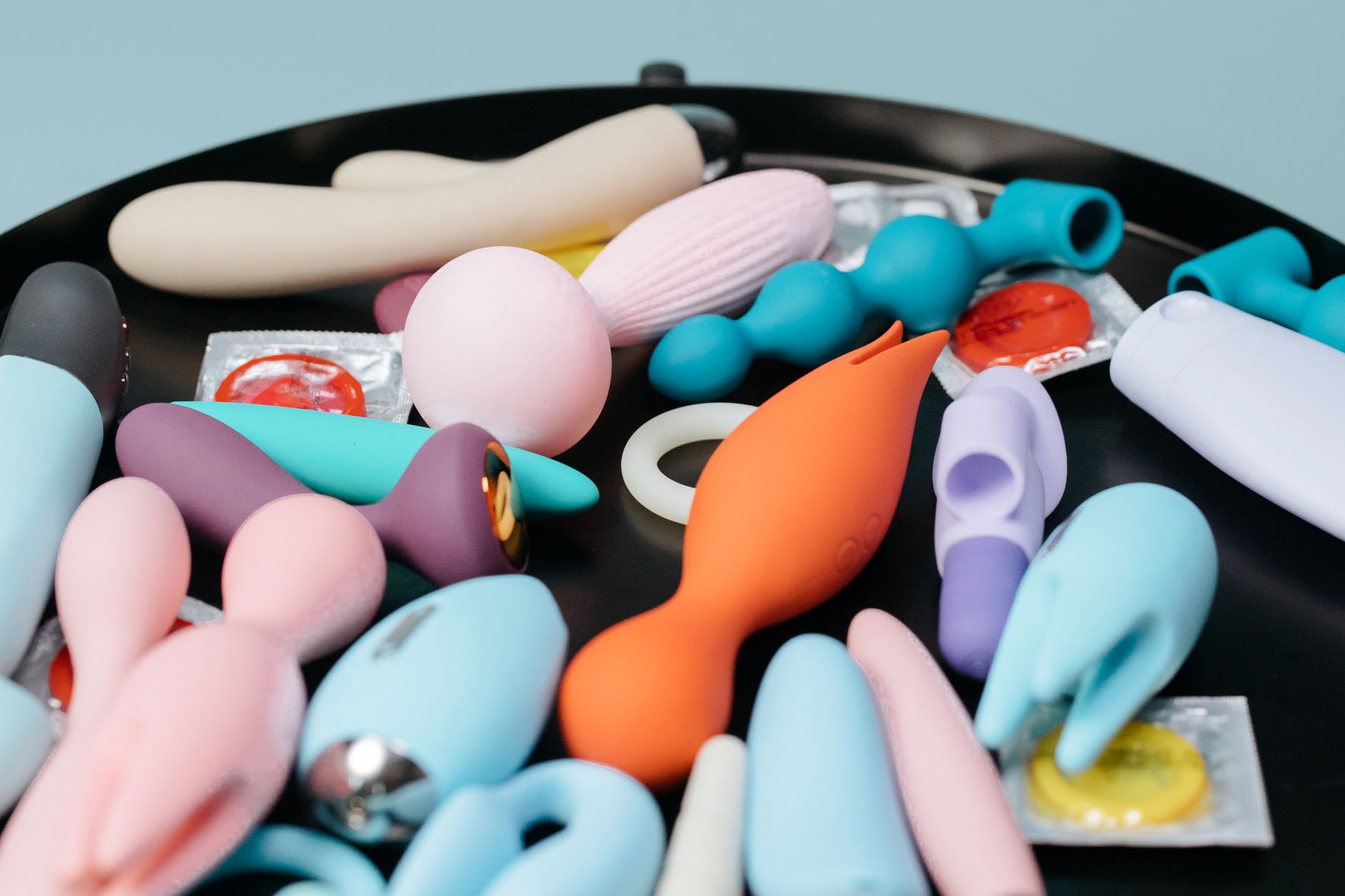
The wand problem nobody talks about
Let's be real. Wand vibrators are everywhere, marketed as the gold standard for clitoral stimulation. But for a huge chunk of people, they feel like holding a tiny jackhammer against the most sensitive part of your body. Too much. Too intense. Too direct.
That's not a personal failure. It's anatomy.
Why wands feel so intense
Traditional vibrators, including wands, use direct oscillation. They push and pull against tissue at high speed, usually 50 to 300 Hz depending on the model. That works brilliantly if your clitoris likes direct, consistent pressure. But if your clitoral tissue is sensitive, easily fatigued, or changes in responsiveness (hello, hormonal shifts), direct vibration can quickly tip from "feels good" to "feels like too much" or even uncomfortable.
The problem compounds if you're post-menopausal, pregnant, on certain medications, or have a history of sexual pain. Thinner tissue means vibration is felt more intensely. Your nervous system registers it louder, even at the same frequency.
Wands also require consistent contact. You hold them still or move them slightly, maintaining pressure. This means your body absorbs the entire vibration without breaks. No rhythm variation. No way to ease into intensity.
How lemon vibrators work differently
Lemon clitoral vibrators, and the broader category of air-suction toys, operate on a fundamentally different principle. Instead of vibrating against tissue, they pulse air against it. The sensation is more like a gentle, rhythmic sucking than a vibration.
This matters for three reasons.
First, suction distributes sensation differently. Instead of a point of intense pressure, suction engages a wider area of nerve endings across the entire clitoral bulb. The stimulation feels fuller, less localized, less "sharp."
Second, suction feels less relentless. Because the mechanism creates a pulse of negative pressure rather than constant oscillation, your body experiences it as rhythmic rather than continuous. You get moments of release between pulses.
Third, you control the intensity through intensity levels, not pressure. With a wand, harder contact equals more sensation. With a lemon sucker, you can keep consistent contact and simply adjust the pulse strength. For sensitive tissue, this is huge.
The science of air-pulse stimulation
Air-pulse or suction-based vibrators were originally designed for people with difficulty reaching orgasm through conventional means. What researchers noticed was unexpected: people whose tissues were sensitive or easily irritated reported less pain and more intense pleasure.
The reason is neurological. Your clitoris has roughly 8,000 nerve endings, but they're not evenly distributed. They're denser in some areas than others. Direct vibration can overstimulate one cluster while missing others. Suction, by contrast, activates multiple nerve regions simultaneously, creating a more complex and, for many people, more satisfying signal.
People with vulvae also have something called the clitoral vestibule. Suction-based toys engage this area in ways wands can't. That's partly why users of lemon vibrators and similar toys report feeling sensations they've never felt before, even after decades of using other toys.
Who benefits most from switching to lemon suction toys
You don't need to have a medical condition to prefer a lemon clitoral vibrator over a wand. But certain groups report particularly transformative experiences.
People with post-menopausal vulval tissue. Thinning and drying isn't just about lubrication. The clitoral tissue itself changes. It becomes more delicate. Direct vibration can feel raw. Suction is gentler on delicate tissue while still delivering intense sensation.
People recovering from pelvic pain conditions. Vulvodynia, vaginismus, and other pain syndromes sensitize nerve endings. Even after treatment, some people find direct vibration triggering. Suction toys feel safe in a way wands don't.
Highly sensitive people. Some of us are just wired to feel sensation more intensely. A wand at level 3 feels like someone else's level 7. Lemon suction toys, because they distribute intensity more evenly, often feel more manageable.
People who've never had an orgasm with penetration or toys. Clitoral stimulation using a wand hasn't worked. It's worth trying a lemon sucker before concluding your body just doesn't respond to toys. Many people find that suction is the key they were missing.
Anyone tired of going numb. Intense direct vibration can anesthetize tissue over time. If you notice you need longer sessions or higher intensity to feel anything, suction might reset your sensitivity.
Comparing lemon vibrators to other toy styles
Lemon suction toys aren't the only alternative to wands. Here's how they stack up.
Versus rabbit vibrators: Rabbits combine internal and external stimulation, which is valuable. But their clitoral arm still uses direct vibration. If that's the problem, a rabbit won't solve it. Lemon suction offers an entirely different external experience.
Versus finger vibrators: Finger vibes are quieter and more portable, but they're usually lower intensity. They're great for layering sensation or quick sessions, but they don't have the building power of a lemon clitoral vibrator.
Versus couples' vibrators: Designed for partnered play, these are fantastic for what they do. But if you're solo and looking for something you can use alone with sustained intensity, a dedicated lemon suction toy or similar device is more reliable.
Versus wand-alikes with different materials: Some wands are softer, some are designed to reduce intensity. These are incremental improvements. Lemon vibrators are a categorical shift.
The learning curve (it's small)
Honestly, using a lemon vibrator is not complicated. Position it over your clitoris, turn it on, and adjust the intensity. Most people spend their first session exploring what different levels feel like.
One small tip: start with the lowest setting and work up. Because suction distributes sensation differently than direct vibration, what feels mild at setting 1 is genuinely mild, not "deceptively intense." You won't accidentally overwhelm yourself.
If you're used to needing high-intensity wands, you might be surprised at how much pleasure lower settings deliver with a lemon sucker. Your nervous system isn't being bombarded. It can feel subtlety again.
Why you might still prefer a wand (and that's okay)
Suction toys aren't objectively "better" than wands. They're different, and different works for different people.
Some people find wands incredibly satisfying. Some love the intensity. Some have clitoral tissue that actually responds better to direct stimulation. If a wand works, it works. There's zero reason to switch.
But if you've been struggling, if wands feel too much or not enough, if you've assumed your body just doesn't like toys, a lemon vibrator might reveal that the problem was never your body. It was the tool.
Making the switch: what to expect
If you're moving from wands to a lemon clitoral vibrator for the first time, expect a brief adjustment period. Your first session or two might feel different in ways you can't immediately categorize. Is it better? Too gentle? Just weird?
Give it three to five sessions before deciding. Your nervous system needs time to recalibrate. Many people report that around session three or four, something clicks. The sensation that felt unfamiliar suddenly feels incredible.
That's not placebo. It's your brain learning a new pleasure pathway and your body's nerve endings adapting to a new kind of stimulation.
Lemon suction plus lubrication plus patience
Lemon vibrators work best when paired with good lubrication and realistic expectations. Even with a lemon sucker, you're not guaranteed an orgasm every session. Arousal, stress, medication, and where you are in your cycle all matter.
What a lemon vibrator does offer is a gentler, more sustainable path to pleasure. Less overwhelm. More control. More opportunities to actually feel sensation instead of just enduring intensity.
For many people, especially those with sensitive tissue, that's the difference between a toy you use once and return to the drawer, and a toy that becomes part of your regular ritual.
FAQ: Lemon Vibrators for Sensitive Tissue
Are lemon vibrators safe for people with a history of pelvic pain?
Lemon suction toys are gentler than many vibrators, but you should still approach them cautiously if you have a history of vulvodynia, vaginismus, or other pelvic pain conditions. Start with the lowest setting, keep sessions short, and pause immediately if anything feels uncomfortable rather than pleasant. If you have ongoing pain concerns, a pelvic physical therapist can help you figure out whether a lemon vibrator is appropriate for your specific situation.
Can I use a lemon vibrator if I'm pregnant?
Pregnancy changes clitoral sensitivity and blood flow to the area. Most healthcare providers say it's fine to masturbate during pregnancy, including with toys, as long as there's no pain or complications. Lemon suction toys are actually a great option because they're gentler. But check with your provider if you have placental or other pregnancy-related concerns.
Do lemon vibrators work if you're on antidepressants or anti-anxiety medication?
Medication that dulls sensation can make any toy feel less intense. Lemon suction vibrators won't overcome that entirely, but they often work better than wands for medicated users because the distributed stimulation engages more nerve endings. If numbness is severe, talk to your prescriber. Sometimes dosing or timing can be adjusted. But don't assume you need to stop your medication. Many people on SSRIs find that a lemon vibrator, paired with patience, still delivers great pleasure.
How is a lemon vibrator different from other air-pulse toys?
Lemon vibrators are one type of air-pulse toy. The broader category includes various designs from different manufacturers. They all operate on the same suction principle, but intensity, noise level, and feel vary. Hello Nancy's lemon vibrator is designed for intense sensation with a thoughtful curve, but if you want to explore the category, check reviews for other air-pulse models too.
Can a lemon clitoral vibrator cause numbness like a wand can?
Because suction distributes sensation more evenly and doesn't rely on constant oscillation, it's less likely to numb tissue over time. That said, any toy used intensely for long sessions can lead to temporary desensitization. If you notice you're needing longer sessions to feel anything, take a break. A few days off usually resets sensitivity.
What if a lemon vibrator still feels too intense?
If even the lowest setting feels overwhelming, you have a few options. Use it over clothing or through a blanket to diffuse the sensation further. Keep sessions very short, just a minute or two, until your nervous system adapts. Or try a finger vibrator instead, which offers lower, more diffuse intensity. And remember: you don't need a vibrator at all. Hands-on exploration is always an option, and many people find it more controllable.
The real takeaway
If a wand vibrator leaves you feeling numb, overwhelmed, or just meh, you're not broken. Your clitoral tissue isn't broken. You just haven't found the right tool yet. A lemon clitoral vibrator works on completely different mechanics, engaging your pleasure in ways a wand can't replicate. For sensitive tissue, post-menopausal bodies, and anyone tired of intensity they didn't choose, a lemon suction toy is often the missing piece. The Complete Guide to Lemon Vibrators covers the full landscape if you want to dive deeper into the category. For now, know this: gentler doesn't mean less effective. It just means smarter.