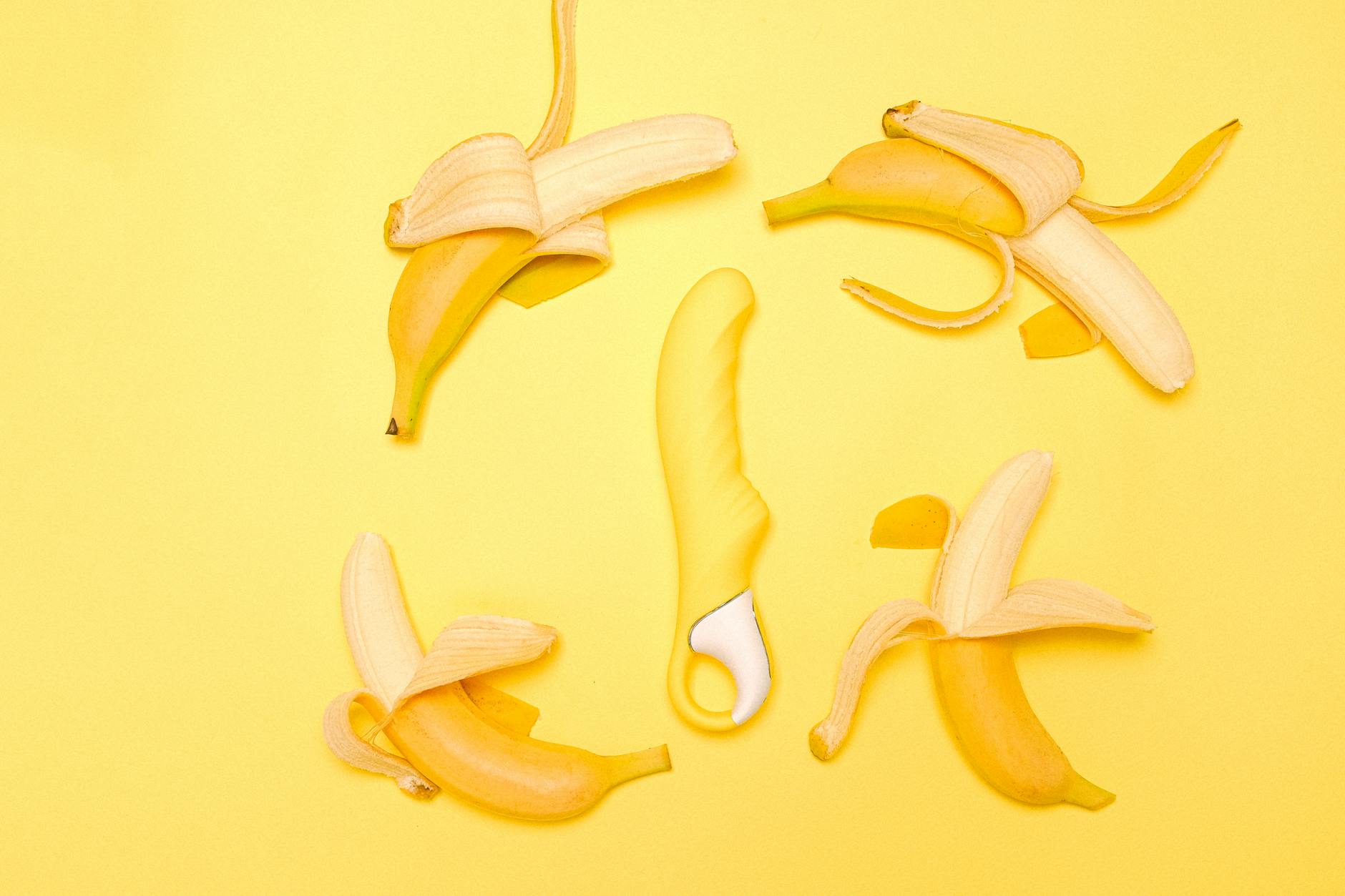
How Lemon Vibrators Help Rebuild Intimacy After Long-Term Relationship Stress
Let's be real. Years of financial worry, parenting chaos, job insecurity, or just the slow accumulation of unresolved conflict doesn't just dampen desire. It kills it. The body stops responding the way it used to. Touch feels obligatory instead of electric. And somewhere along the way, the idea of sex becomes another thing you're failing at, which makes you want it even less.
Here's what I see in my practice: couples who've been through sustained stress often think the solution is more couple's time or a weekend away. Those help. But there's a step that comes first, and nobody talks about it. You need to rebuild your relationship with pleasure itself. Solo. Before you can rebuild it together.
This is where lemon vibrators matter more than you might think.
Why stress actually breaks desire differently than you think
Stress doesn't just make you tired. It does something sneakier. It trains your nervous system to stay in fight-or-flight mode, which is the exact opposite of what arousal needs. Your body literally cannot produce the hormonal cascade for pleasure when it's running on cortisol and adrenaline.
Add to that the emotional toll. When a relationship has been rocky for years, touch becomes loaded. A hand on your shoulder might feel like a demand instead of affection. Sex becomes a performance metric. Am I enjoying this enough? Will this fix things? What if I can't come? What if they're disappointed?
That's not desire. That's anxiety wearing a negligee.
The research backs this up. Studies on couples recovering from prolonged stress show that the couple who rebuilds individual pleasure first recovers sexual connection faster than the couple who tries to force it together. When you're disconnected from your own body, you can't genuinely connect with your partner's.
Why solo exploration matters when your relationship needs repair
I'm not suggesting you ignore your partner. I'm suggesting you start with yourself. This sounds obvious until you realize that years of stress-mode often means you've stopped touching yourself entirely. It's not something you thought about consciously. Sex just dropped off the priority list somewhere between "fix the roof" and "figure out healthcare."
When you begin exploring pleasure solo again, you're doing three things at once.
First, you're teaching your nervous system that safety and arousal can coexist. There's no performance pressure in solo time. No one's waiting for you to respond a certain way. Your body gets to learn pleasure on its own timeline again.
Second, you're reclaiming the part of you that isn't a spouse, parent, or employee. That person exists separately. They want things. They deserve sensation. This matters more than it sounds. Couples who've lost intimacy often describe a loss of self, and sometimes the quickest route back to the relationship is remembering yourself first.
Third, you're gathering information. What touches feel good now? What patterns build arousal? Does quick and intense work, or do you need slow and sustained? This information is gold when you eventually bring it back to your partner.
How a lemon clitoral vibrator fits into this
A good lemon vibrator or lemon sexual toy removes friction (literal and figurative) from solo exploration. You're not lying there wondering if this is working. The sensation is clear. Immediate. Honest.
For someone rebuilding desire after stress, this matters. If you've been disconnected for a long time, your body might be sluggish to respond to touch. A lemon clitoral vibrator meets you where you are instead of asking you to summon sensation that isn't there yet. The lem vibrator's suction-based design is particularly useful here because it stimulates nerves without requiring the kind of pressure that feels demanding when your body is still hesitant.
I also recommend lemon adult toys over other shapes for stressed couples specifically because the lemon sucker design is gentler on the nervous system. It's almost meditative to use. You're not white-knuckling an experience. You're exploring.
The practical steps to restart solo pleasure
Here's what I recommend to my clients in this situation.
Week one: permission only. Don't pressure yourself to come. Just set aside 15 minutes, no distractions, and touch yourself. That's it. Recognize how much permission you've been denying yourself. This is harder than it sounds.
Week two and three: introduce sensation. Add your lemon vibrator. Start at the lowest setting. Spend time just getting to know what this feels like. You're not trying to orgasm. You're gathering data.
Week four and beyond: explore what works. Different settings. Different durations. Different times of day. You're building a map of your own pleasure. This takes patience. Years of stress don't unknot in a month.
Once you've spent time reconnecting solo, you have something concrete to bring back to your partner. "I noticed I like this setting better," or "I need longer warm-up than I used to," or "Honestly, this feels really good right now." Specific information replaces the vague anxiety that's been filling the silence.
Why this actually repairs the relationship, not just your solo life
When stress has flattened intimacy, couples often get stuck in a loop. Partner A feels rejected. Partner B feels pressured. Both retreat further. By the time they think about sex, it's weighted with all of this history.
But when you restart with yourself first, you break that loop. You show your partner that you're willing to re-engage with pleasure. You introduce novelty (new tools, new knowledge about your body) without blame. You're not saying "we need to fix this." You're saying "I'm coming back to myself, and I want you to come with me."
Some couples find that just knowing their partner is exploring solo again reignites something. The permission to want things, to be a separate person with desires. That shift is quiet but profound.
Bringing it back together
The goal isn't solo pleasure forever. It's solo pleasure as a bridge. A way to remember that your body isn't broken. That you can still feel good. That desire isn't some external thing that happens to you. It's something you can tend to and rebuild.
Once you've reestablished that for yourself, your partner doesn't have to carry the weight of "fixing" your desire. They get to join you in exploring it. That's a completely different conversation. And almost always, it's the conversation that actually works.
People also ask
Can using a lemon vibrator by myself actually improve my relationship?
Not directly, but yes indirectly. When you reconnect with your own pleasure, you reduce the pressure and resentment that's been building around couple's sexuality. You also bring specific information (what feels good, what you need) instead of vague frustration. Partners respond to concrete data better than they respond to "let's try harder." Your solo exploration becomes the foundation for better communication together.
How long should I wait before introducing this to my partner?
I usually suggest four to six weeks of solo exploration before bringing your lemon clitoral vibrator into partnered time. This gives your nervous system enough reset time to start rebuilding associations between pleasure and safety, not anxiety and performance. Some couples move faster. Some slower. There's no rule. The point is having reclaimed something for yourself first.
What if my partner feels threatened by the fact that I'm using a vibrator?
This is common, and it's worth addressing head-on. How to Use a Lemon Vibrator With Partners Who Feel Insecure About Pleasure Tools covers this specifically, but the short version is conversation before introduction. Explain that you're rebuilding your own capacity for pleasure, not replacing them. A lemon vibrator isn't competition. It's a tool that helps you get to the place where you have energy and desire for partnership again.
Is there a risk that solo pleasure will make me want my partner less?
The opposite usually happens. People who've rebuilt desire solo often find they want their partner more, because they're approaching the relationship from a place of choice, not obligation. When you're not desperate to feel something, you can actually enjoy what's there.
How do I know if my relationship stress is temporary or if the damage is permanent?
Sustained stress changes patterns, not fundamentally who you and your partner are. If you've been disconnected for years, reconnecting takes time and honest work from both people. But it's rarely impossible. The fact that you're asking this question suggests you haven't given up. That matters. How to Rebuild Pleasure After Relationship Breakup or Divorce speaks to the harder scenario, but most couples rediscover each other when one person makes the first move to reconnect with themselves.
What if I've lost desire for my partner specifically, not just sex in general?
That's a different conversation, and it might need a therapist, not a lemon vibrator. If you're attracted to other people but not your partner, or if you feel fundamentally incompatible, that's about the relationship itself, not about stress dampening desire. Solo pleasure might help clarify your own feelings, but it won't solve a desire mismatch. That's worth naming.
The bottom line
Relationship stress rewires your nervous system away from pleasure. Rebuilding desire isn't about trying harder or scheduling more sex. It's about remembering that you're a person with a body that deserves sensation, separate from your role in a partnership.
A lemon clitoral vibrator is a tool to help you do that. It's not the whole answer. But it's often the place where reconnection starts. When you give yourself permission to explore pleasure solo, you remind your partner that they're reconnecting with someone who's rediscovering themselves. That's attractive. That's a foundation worth building on.
If you're ready to start but unsure how, reach out to us. We're here to help you figure out what works for you.