
Let's talk about the awkward part
Arousal used to be fast. Now it isn't. That's the reality a lot of people face, and it's also the thing almost nobody mentions until you're already frustrated.
Here's what's actually happening: your body isn't losing capacity. The neural pathways for pleasure are still there. What's changing is the timeline. The body that used to warm up in five minutes now needs fifteen or twenty. That's not a problem with you. It's a problem with every piece of advice you've been given, which assumes speed.
Why arousal timing shifts
There are three main culprits, and knowing which one applies to you changes how you fix it.
Hormonal changes are the most obvious. Estrogen affects blood flow to genital tissue and how quickly the body responds to touch. As estrogen fluctuates (whether from hormonal birth control, perimenopause, stress, or other factors), arousal literally takes longer to initiate. This isn't psychological. It's vascular.
Relationship context matters more than people admit. Early-stage relationships have novelty and urgency built in. Long-term partnerships don't. If you've been with the same person for years, your nervous system has relaxed. That's actually a sign of safety, but it also means arousal requires more deliberate activation.
Cognitive load is underestimated. If you're managing work stress, parenting, health concerns, or emotional labor in your relationship, your brain isn't idling in a state of readiness. Arousal requires mental space. When that space is occupied, the body follows.
Often it's all three at once.
The timing problem with most sex toy advice
Most conversations about clitoral vibrators assume you're starting from a place of readiness. Use it on intensity level three. Build up gradually. Reach orgasm in eight minutes.
That advice fails when you need forty minutes to warm up. The vibrator isn't the problem. The timeline is.
This is where the Lem and other lemon vibrators actually shine. The suction mechanism works differently than traditional vibrators. Instead of needing direct clitoral sensitivity to work, it engages a broader network of nerve endings. That means you can start stimulation earlier in the arousal curve. You're not waiting for your clitoris to be fully engorged before you begin. You're gently signaling the body to move toward arousal.
How to restructure your timeline
Three changes make the biggest difference.
First, stop treating arousal as a switch. It's not on or off. It's a dimmer. If you've been expecting yourself to go from zero to ready-to-go in ten minutes, you're fighting physiology. Instead, plan for a longer window. Twenty to thirty minutes is not excessive. It's honest.
Within that window, layer in what works. For some people, it's fantasy. For others, it's conversation with a partner, or watching something stimulating, or simply being alone without other demands. Then introduce the lemon vibrator midway through, not at the start.
Second, start lower on intensity. The Lem has six settings. Most people jump to level three or four. If arousal is sluggish, try levels one and two for longer. Five to eight minutes at a lower intensity can prime the body in ways that rushing to higher levels won't.
You're not trying to trigger orgasm yet. You're signaling your nervous system that stimulation is happening. That signal needs time to travel. Lower intensity, longer duration.
Third, separate sensation from outcome. The moment you introduce a clitoral vibrator with the expectation of orgasm, pressure enters the room. And pressure slows arousal further. Your nervous system tenses. Blood flow constricts slightly. You're working against yourself.
Instead, use the first ten to fifteen minutes with the Lem as pure exploration. Notice where sensation lands. Notice what speed of the vibrator feels interesting. Notice when your breath deepens. You're gathering data about your body, not chasing a destination.
Orgasm might come. It also might not. And that's fine. The point is arousal.
What changes when you work with your body's pace
Here's the counterintuitive part: arousal that takes longer to build often sustains longer and feels more integrated.
When you rush, you reach a peak fast and drop off quickly. When you slow down, you're building arousal across a broader range of sensations. The experience becomes textured rather than sharp.
Many people report that orgasms that arrive after a longer arousal window feel deeper. More full-body. Not just a genital experience, but something that involves breath, touch, and mind together.
That's partly because you've had time to settle into your nervous system rather than sprint through it. The parasympathetic nervous system has actually engaged. You're not performing arousal. You're allowing it.
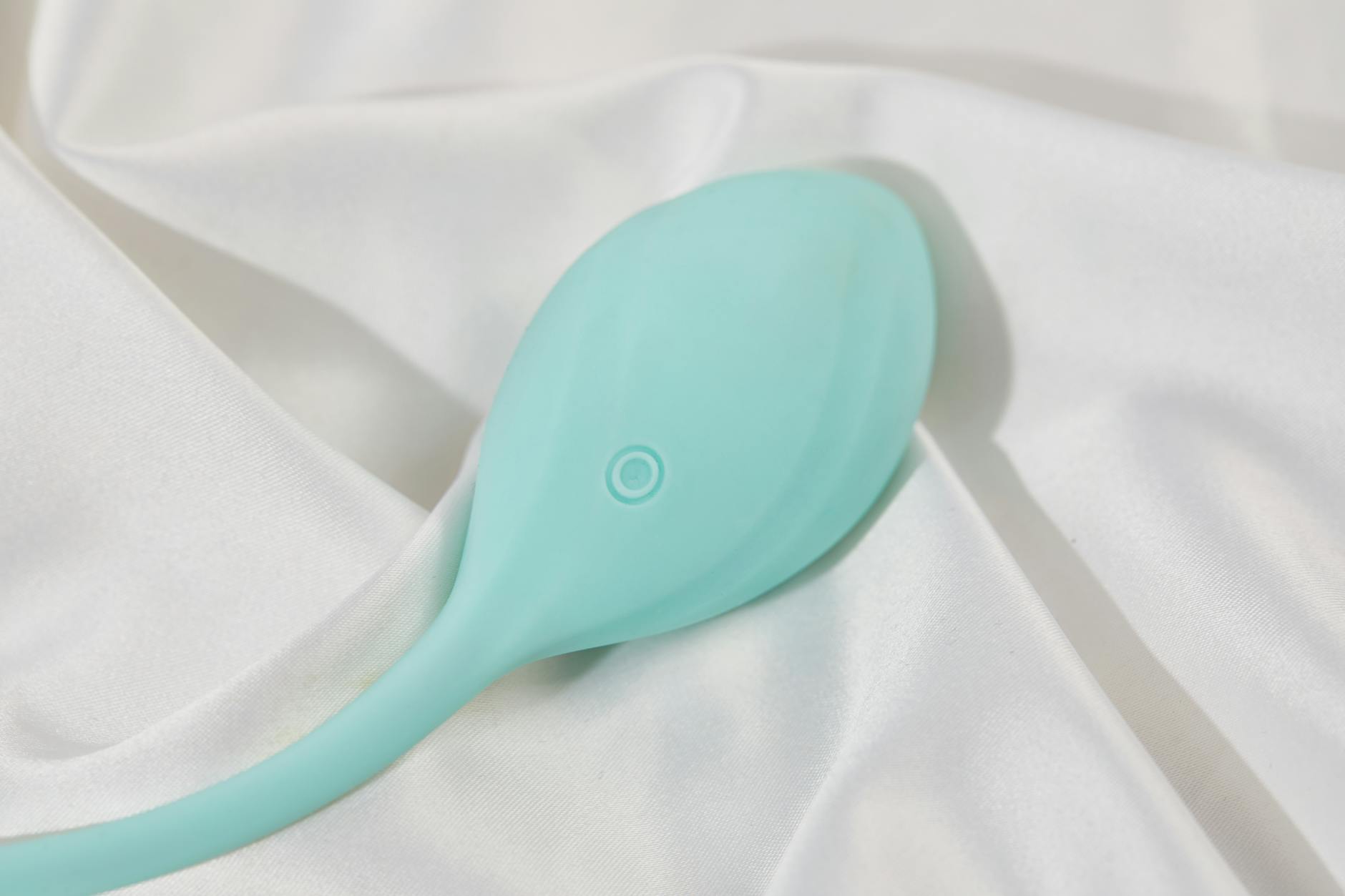
Photo by IFONNX Toys on Pexels
With a partner, reframe the conversation
If you're in a relationship, slowed arousal becomes either a collaborative problem or a disconnection. Which one depends entirely on how you talk about it.
Don't frame it as "I can't get turned on anymore." Frame it as "My body needs more time now, and here's what helps." The difference is huge. One is a problem. The other is information.
Then actually use that information. If slower arousal works better for you when you have quiet time alone first, build that in. If you need fifteen minutes of non-sexual touch before sexual touch lands, ask for that. If lemon clitoral vibrators work better than finger stimulation, say so.
A partner worth keeping will adjust. One of the gifts of longer arousal windows is that they force actual communication. You stop assuming synchronized spontaneity and start asking for what works. That's not less intimate. It's more honest.
When nothing seems to work
If arousal is slow even with more time, different stimulation, and reduced pressure, something else might be at play.
Antidepressants, hormonal birth control, and certain blood pressure medications genuinely do dampen arousal. That's worth discussing with your doctor. Sometimes a dosage adjustment or different medication works. Sometimes you need to accept the trade-off and use external stimulation more deliberately.
Emotional disconnection from a partner also flattens arousal. No toy will fix that. But once you acknowledge it and start addressing it, toys become useful again.
And sometimes arousal stays slow because your nervous system is in a low-grade stress state. Work stress, health anxiety, parenting demands. The body is protecting itself by staying in a state of readiness for threats rather than pleasure. That also requires you to address the root issue, not just the symptom.
But for most people, the answer is simpler: your body needs more time, and lemon vibrators like the Lem work beautifully with slower arousal because they engage sensation differently than traditional clitoral vibrators. You're not fighting your timeline anymore. You're honoring it.
The permission part
This might be the most important thing I say.
Your arousal pace is not a problem to solve. It's just your body. And your body deserves attention that matches its actual needs, not the needs of a younger version of yourself or a version imagined in movies.
Slower arousal is normal. It's common. It's workable. And the people who accept it and adjust tend to report more satisfying sex, not less. Because they've stopped fighting and started paying attention.
That's when lemon sexual toys become what they're meant to be: a tool that works with your body, not against it.
Frequently asked questions
How long should I wait before using a vibrator if arousal is slow?
There's no magic number, but most people find that fifteen to twenty minutes of general intimacy, mental activation, or solo focus creates enough of a foundation for the Lem to be effective. If you're starting from complete cold, jumping straight to a clitoral vibrator will feel jarring. Give yourself permission to warm up first, then introduce it.
Does using a lemon vibrator make arousal slower over time?
No. Regular use of clitoral vibrators doesn't make arousal slower. If anything, consistent stimulation keeps genital tissue responsive and blood flow strong. What might feel like slowing arousal is often just that novelty wears off. The fix is to vary how you use it, not to stop using it.
Can slower arousal signal a bigger relationship problem?
Sometimes. If arousal was fast with your partner and suddenly became slow, that's worth exploring. It might indicate emotional distance, unresolved conflict, or a shift in attraction. But slower arousal can also just mean your body has changed. Don't automatically assume the worst. Have a conversation first.
What if my partner thinks slow arousal means I'm not attracted to them?
This is worth addressing directly. Arousal timing is biological and neurological, not a reflection of desire or attraction. You can be wildly attracted to someone and still need more time to warm up. Help them understand that longer foreplay benefits both of you. And if they're not willing to adjust, that's information about compatibility, not about your body.
Is using a lemon sucker toy like the Lem different from a regular vibrator for slow arousal?
Yes. The suction mechanism engages a broader sensory range than direct vibration. For some people with slower arousal, suction is more effective at initiating sensation earlier in the arousal curve. It's worth trying if traditional vibrators haven't worked well. The Lem is a lemon clitoral vibrator specifically designed for this kind of nuanced stimulation.
Should I use lube if arousal is slow?
Almost always yes. Slower arousal often means less natural lubrication in the early stages. Water-based lube makes every part of the experience more comfortable and helps sensation register better. It's not a sign of a problem. It's a tool that works with your body.
If you're navigating relationship shifts alongside physical changes, I'd recommend reading about how to use a lemon vibrator to rebuild intimacy after a long relationship gap. And if you're exploring whether this is a medication issue, check out how antidepressants affect pleasure.
Your arousal timeline is yours. Stop racing it. The destination is better when you actually enjoy the journey.