Let's talk about the pill bottle nobody mentions during sex talks
Your antidepressant isn't the problem. But it's also not nothing. Between 40-60% of people taking SSRIs report some change in sexual response. Birth control flattens testosterone. Blood pressure meds reduce bloodflow. Antihistamines dry out your mucous membranes. These aren't side effects you deserve to white-knuckle through. They're information you can actually work with.
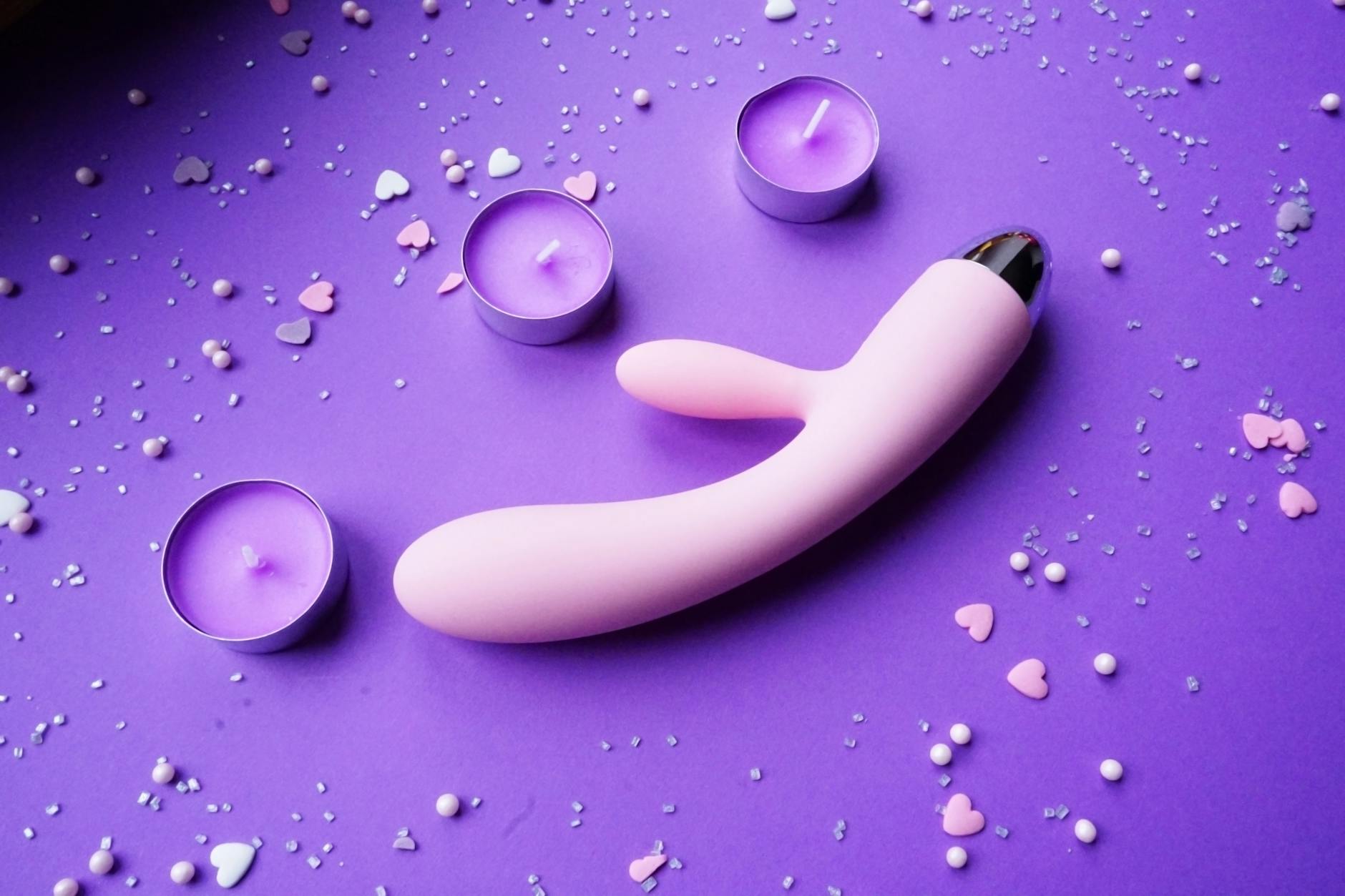
Here's what I've learned as a therapist working with couples navigating medication and desire: the issue isn't that pleasure becomes impossible. It's that the pathway changes shape. A clitoral vibrator, especially one built on suction technology like a lemon vibrator, often restores that pathway when other approaches stall.
How SSRIs actually change arousal (it's not what you think)
Most people assume SSRIs kill desire at the brain level. That's partly true, but the mechanism is weirder and more solvable than it sounds.
SSRIs increase serotonin in your brain, which is why they ease depression and anxiety. But they also increase serotonin in your spinal cord and peripheral nervous system. Serotonin is an inhibitor of arousal. That doesn't mean you stop wanting sex. It means the chain reaction that usually happens when you're turned on takes longer to spark.
The arousal response has three stages: desire (the mental interest), arousal (the body responding), and orgasm (the release). SSRIs typically delay the second and third stages while leaving desire untouched. So you can absolutely want to have sex. Your body just needs different input to get there.
This is where a lemon vibrator becomes genuinely useful. The suction-based stimulation works differently than friction. It creates a concentrated, rapidly escalating sensation that bypasses the delayed arousal pathway. Some of my clients describe it as "cutting through the fog" of their medication.
Birth control, testosterone, and the quieter shift
Hormonal birth control suppresses ovulation by flattening your natural hormone cycle. This is very effective at preventing pregnancy and often helpful for managing periods. It's also one of the most underacknowledged factors in sexual satisfaction.
Your baseline testosterone drops on birth control. Testosterone drives desire in people of every gender. Lower testosterone doesn't mean zero desire, but it often means desire shows up quieter, less spontaneous, less physically insistent. You might need to initiate a conversation with yourself about sex rather than feeling grabbed by it.
Similarly, some birth control formulations increase sex hormone-binding globulin (SHBG), which binds to available testosterone and makes it inactive. The hormone is there. Your body just can't use it.
If you're on birth control and experiencing a notable flatline in interest or sensation, your doctor can discuss options: different formulations (some suppress hormones less), additional testosterone support (available in some countries as a low-dose patch), or alternative contraception entirely. But while you're evaluating those choices, a clitoral vibrator designed for focused stimulation can help recalibrate sensation without waiting months for a hormone swap.
Blood pressure medications, antihistamines, and bloodflow
Anything that reduces bloodflow affects arousal. Blood pressure meds work by relaxing blood vessels, which is necessary for your health and also lowers the fluid filling in genital tissue during arousal. Antihistamines dry out mucosal tissue. Some antihistamines are more problematic than others; a doctor or pharmacist can flag which ones are worst for sexual response.
The practical move here is obvious but often skipped: lubrication matters more. A high-quality water-based lube isn't optional when you're on these meds. It's foundational. But beyond that, lemon vibrators and similar clitoral suckers work well with reduced bloodflow because they're not relying on the body's ability to fill tissue with fluid. They're creating suction and pressure stimulation, which works whether or not you have full genital engorgement.
The medication interaction you might not know about
If you're on SSRIs and considering adding anything else (including over-the-counter sleep aids, pain relievers, or herbal supplements), mention it to your doctor or pharmacist. Some combinations make sexual side effects worse. For example, adding an antihistamine on top of an SSRI can compound dryness and arousal delay.
There's also the reverse: some medications improve sexual response when combined thoughtfully. Your healthcare provider may suggest timing your SSRI dose differently (taking it at night instead of morning, for example) to minimize daytime impact on arousal. Or they might discuss adding a low-dose medication that counteracts sexual side effects. These conversations are awkward. They're also real medicine, and providers expect them.
Building a routine that works around your actual medication
Here's what I tell clients: don't fight the medication. Work with it.
First, understand your specific drug's timeline. Some SSRIs take 4-6 weeks to reach steady state. Sexual side effects often come later in that window and sometimes settle after a few months. Others stick around indefinitely. If you're newly medicated, give it time before assuming this is permanent.
Second, create space for arousal. If your medication delays arousal, budget 20-30 minutes instead of 5. That sounds like a lot until you realize it's actually saying "your pleasure is worth planning for." Many of my clients find this switch genuinely transformative. Rushed sex felt worse anyway.
Third, use focused tools. A lemon vibrator or similar clitoral toy is designed to deliver concentrated sensation quickly. How to choose a lemon vibrator if you're new to clitoral suction walks through the different intensity levels and patterns that work best when arousal feels sluggish.
Fourth, address dryness directly. Whether your medication causes it or bloodflow is reduced, water-based lubricant is not a supplement to sex. It's part of the foundation now. Use generously.
When to loop in your doctor
Your prescriber should know that a medication is affecting your sexual function. I know this feels vulnerable, but they have options and want to know.
Some scenarios warrant a specific conversation:
Orgasm is impossible, not just delayed. If you've been on the medication for several months and still can't reach orgasm despite trying, ask about dose timing, formulation change, or medication additions that can help. Some people find that a low dose of bupropion (Wellbutrin) counteracts SSRI sexual side effects. Others do better on different SSRIs or on non-SSRI antidepressants.
Desire has completely disappeared. This is different from needing longer warm-up time. If you feel genuinely uninterested in sex, that might indicate low testosterone from hormonal birth control or another medication issue worth exploring.
Pain or numbness appears. If sensation becomes painful or numb rather than just delayed, something is off. This needs medical assessment.
The side effect is worse than the original problem. If a medication is helping your depression but obliterating your sex life and relationship, you have the right to recalibrate. Other options exist.
What actually works: combining medication honesty with practical tools
Medication doesn't end your sexuality. It changes the equipment or the timing or both. A lemon vibrator, with its rapid-escalation suction technology, works particularly well when arousal feels delayed or blunted because it doesn't depend on your body doing what it used to do naturally. It does something slightly different that often works better.
Similarly, extended warm-up time, generous lubrication, and explicit conversation with your partner about what's changed all matter. So does checking in with your prescriber. You're not complaining. You're providing medical information that might improve your treatment.
Your pleasure matters as much as your mental health. They're not competing goals.
People also ask
Can I take anything to counteract SSRI sexual side effects?
Yes, but it depends on your specific medication and your doctor's assessment. Some options: dose timing adjustments (taking your SSRI at night instead of morning to minimize daytime effects), switching to a different SSRI or non-SSRI antidepressant, adding a low dose of bupropion (which actually enhances sexual response), or in some cases, adding a medication like buspirone. None of these are DIY moves. Talk to your prescriber.
Will my sexual function return if I stop my antidepressant?
Possibly, but don't stop your medication to find out. Antidepressants are serious, and stopping suddenly can cause withdrawal symptoms and worsening depression. If the sexual side effects are intolerable, work with your doctor on switching to something else or adjusting your dose. There are usually options that balance your mental health and your sex life better.
Does a clitoral vibrator work if I'm numb from medication?
Likely yes, but intensity and sensation level matter more. If you're experiencing reduced sensation, you might need a higher intensity level than someone not on medication. Lemon vibrators and similar clitoral suckers often work better than traditional vibrators in this situation because the suction creates pressure and movement that penetrates better than surface-level vibration. Start at pattern 1 or 2 and escalate from there.
Is it normal to need lube if I'm on birth control?
If you're noticing new dryness since starting birth control, yes, that's common and worth mentioning to your doctor. Some formulations are worse than others. In the meantime, water-based lubricant is your friend. This isn't a sign anything is wrong. It's the medication changing your baseline.
Can I use a lemon vibrator while on these medications?
Absolutely. Clitoral vibrators are safe with all medications. If you're on blood pressure meds or anything affecting bloodflow, lube becomes more important. If you're on SSRIs and find arousal is slow to build, using a focused clitoral tool like a lemon vibrator might actually feel more effective than your usual approach.
What if medication makes me lose interest in partnered sex but I can still masturbate?
This is real and more common than you'd think. Sometimes masturbation feels easier because it's lower-pressure, lower-stakes, and under your complete control. That doesn't mean something is broken with your relationship. It often means your nervous system needs different conditions to engage with partnered sex. Talking with your partner about this is vulnerable and also usually relieving. How to use a lemon vibrator with your partner covers this dynamic in more detail.
The bigger picture
Medication changes arousal. That's not a failure of the medication or a failure of you. It's information. Armed with that information, you can make deliberate choices: trying different medications, adjusting timing, using tools designed for slower arousal, or prioritizing extended foreplay that you might not have needed before.
A lemon vibrator isn't a workaround. It's a different tool that happens to work really well when the standard pathway is altered. Your body isn't broken. The medication is doing what it's supposed to do. Your pleasure just needs a different approach now. That's not loss. That's adaptation.