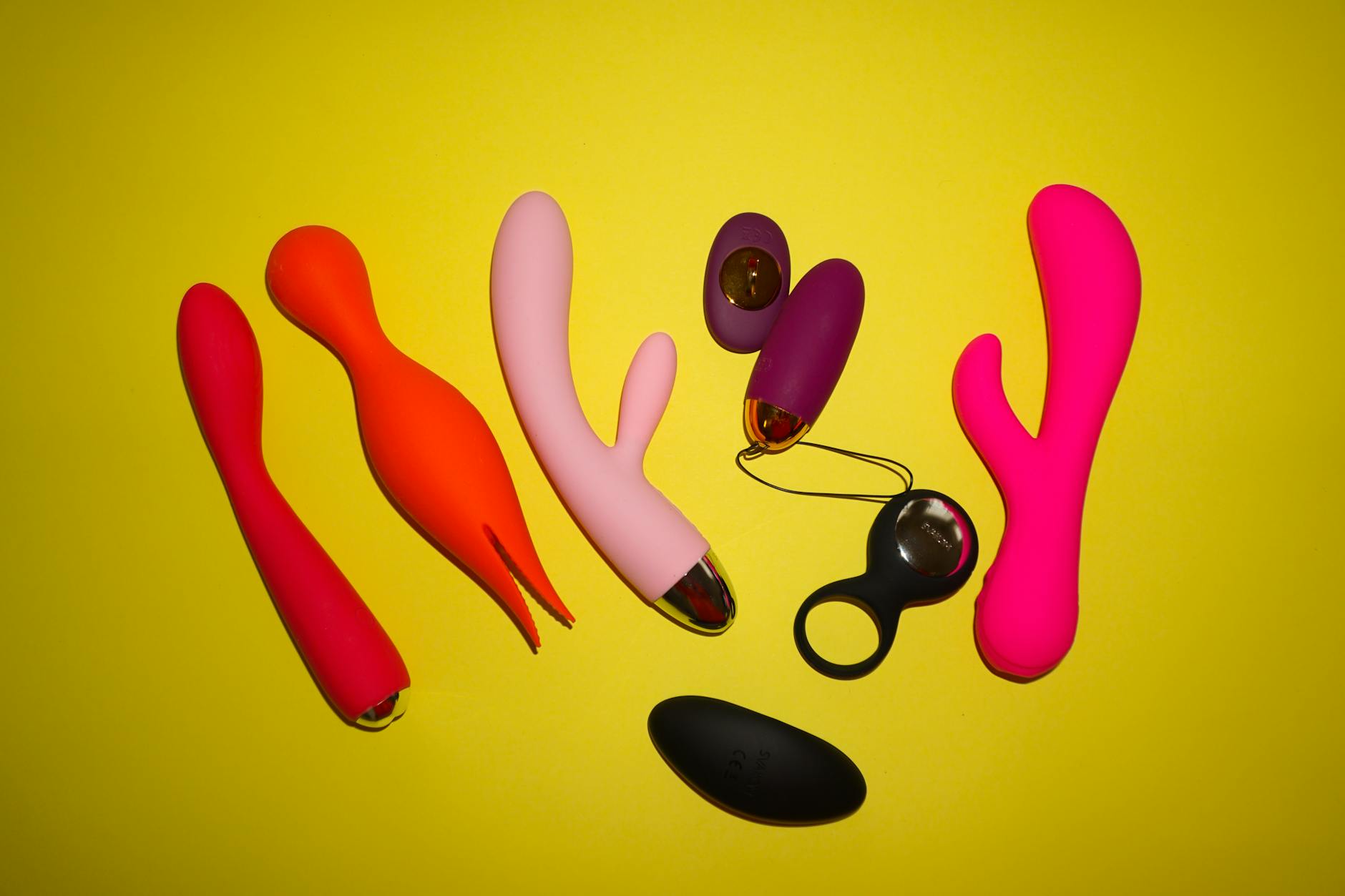
Let's name the actual problem
Your partner doesn't want you using a lemon vibrator. Or they're unsure, uncomfortable, or they're worried it means something about them. This is wildly common, and it's also exhausting because your pleasure has become conditional on their comfort level. That's not sustainable, and it's definitely not fair.
Here's what I've learned from two decades of working with couples: the issue is rarely about the vibrator itself. It's usually about fear. Fear that a toy means you're not satisfied with them. Fear that if you've found something that works reliably, they've somehow failed. Fear of not understanding this part of you.
The good news is that neither of you has to stay stuck here.
Why partner resistance happens (and why it's not about logic)
Most of us grew up thinking that a partner's ability to satisfy you sexually was proof of their adequacy as a partner. That sex should be natural, intuitive, and responsive. That if you needed a tool, something was wrong.
It's nonsense, but it's deeply embedded.
When your partner resists a lemon vibrator or any clitoral vibrator, they're usually running one of three narratives: "This means I'm not enough," "This feels weird or clinical," or "I don't understand why you need it." Those are emotional stories, not logical ones. You can't argue someone out of an emotional story with facts.
The first move isn't to prove they're wrong. It's to separate two conversations that are tangled together. One is about your pleasure. The other is about their anxiety about your pleasure.
Having the conversation before you use the lem vibrator
Don't sneak it. Don't use it when they're not around and hope they don't notice. Secret tools breed resentment on both sides.
Instead, pick a moment that's outside the bedroom. Not right before sex, not during a conflict, not when either of you is tired. Neutral territory, calm energy.
Start by getting curious about what they're actually worried about. "I've noticed you seem hesitant about vibrators. I'd like to understand what that's about for you." Then listen without defending yourself. They might say something that stings, like "It feels like you prefer a toy to me." Don't jump to "That's ridiculous." Instead, hear what they're really saying: "I'm worried I'm not enough."
Then reframe: "Using a vibrator isn't about you at all. My body just responds to suction in a way that helps me have better orgasms. That doesn't take away from what we share. It actually means I come to you more satisfied, less frustrated." This is true, and it shifts the conversation from your body being broken to your body being smart.
If they're resistant because they don't understand how lemon clitoral vibrators work, show them. Let them hold it. Explain the suction mechanism. Demystify it. Most of the fear evaporates when something stops being a phantom object and becomes just a tool.
Using the lem solo while maintaining partnership intimacy
Here's the thing nobody tells you: you can use a lemon vibrator on your own and still have a deeply connected intimate life with your partner. These aren't mutually exclusive.
Set a rhythm that works for you. Some people use their lem a few times a week, some once a week. The point is consistency. You're not using it because your partner failed in that moment. You're using it as part of your self-care, the same way you'd use a shower or a walk.
Talk about it plainly. "I'm going to take some time alone tonight to use my vibrator. I'll be back in 20 minutes." No apology. No explanation beyond that. This normalizes it the same way you'd normalize needing space to exercise or sleep.
When you return, don't feel obligated to make it weird. You don't need to detail it or ask for praise. You can move into cuddling, conversation, or staying separate. Treat it as a neutral biological need, because it is.
The paradox is that when you stop asking for permission to have your own pleasure, partner resistance often softens. It's the secrecy and the guilt that breed tension. The clarity and the boundary actually create space for intimacy.
When your partner wants to be involved (eventually)
Many partners come around. Once the fear dissolves, curiosity takes over. They might ask if they can watch. They might ask if they can help. They might ask what patterns or speeds you prefer.
When that happens, you get a choice. You can welcome them in, or you can keep solo pleasure separate. Both are valid. Some people find that their partner learning their body's actual preferences is profoundly connecting. Others find that self-directed pleasure is important solitude and don't want an audience.
If you do invite them, give them a role that feels genuine. "Hold me while I use it," or "Tell me what you see," or "Use it on me and pay attention to what makes my breathing change." These aren't ways to manage their emotions. They're ways to let them participate in understanding you.
For more on deepening that kind of connection, the post on how to use a lemon vibrator when you want deeper connection with your partner walks through specific ways to invite partnership into your pleasure.
What not to do
Don't punish them for their resistance by using the vibrator to shut them out emotionally. Don't say things like "Well, clearly I can't count on you, so I'll just do this alone." That's weaponizing your pleasure, and it confirms their fear that the toy is a replacement, not a tool.
Don't hide it. Don't use it secretly and then feel resentful that you have to. The secrecy is the poison, not the vibrator.
Don't ask for permission every time. Once you've had the conversation and established that this is something you do, you don't need to announce it like you're checking in. That keeps them in a gatekeeper role, which actually maintains the dynamic you're trying to shift.
The timeline for shifting resistance
Some partners come around in weeks. Some take months. Some take longer, especially if there's deeper stuff underneath. If your partner's resistance is connected to general intimacy avoidance, low desire, or untreated anxiety, the vibrator isn't the real issue. You might need actual couples therapy, and that's okay.
What matters is that you don't stop having orgasms to protect their feelings. Your pleasure isn't a sacrifice you make for relationship harmony.
If after honest conversation and genuine time they're still making your orgasms conditional on their comfort, that's information about the relationship itself. That's not a vibrator problem.
Your body, your choice
Let's be clear: you don't need anyone's permission to use a lemon vibrator or any other clitoral vibrator. You own your pleasure. Your partner can have feelings about that. Those feelings are valid. But they're theirs to manage, not yours to absorb.
The best partners eventually understand that helping you feel good, even if that means stepping back while you use a tool, is actually an act of love. Your satisfaction matters. Your orgasms matter. Your body's actual needs matter more than anyone's ego.
Use your lem. Have the conversation. Maintain the relationship. And stop waiting.
FAQ: Partner Resistance and Vibrator Use
Why does my partner feel threatened by my using a lemon vibrator?
Most partner resistance comes from unconscious beliefs about what sexual satisfaction should look like. Many people internalize the idea that a partner's body should be enough to satisfy you without assistance. When a vibrator enters the picture, it can feel like proof that they've somehow failed or aren't adequate. This isn't about the tool itself. It's about vulnerability and fear of not being enough. Separating the conversation about your pleasure from the conversation about their worth helps clarify that a vibrator is a physical aid, not an emotional replacement.
Should I hide my lemon clitoral vibrator from my partner?
No. Secrecy breeds resentment and feeds the narrative that there's something shameful about your pleasure. When you hide it, you're implicitly confirming that your partner is right to be uncomfortable, which reinforces their resistance. Transparent use, combined with clear communication about why you're using it, actually dissolves partner resistance faster than hiding it does. The discomfort they feel about you using a lemon sucker in private space is better addressed through conversation than avoided.
Can my partner and I have good sex if they don't want me using a vibrator?
Yes, absolutely. But the question underneath that is whether your partner's comfort level should override your orgasm consistency. You can have wonderful partnered sex. You can also have solo pleasure using a lemon vibrator. These aren't either-or. The real issue is whether you're willing to sacrifice your own satisfaction to keep your partner comfortable, and the answer to that should be no. Work toward a place where both can be true.
How do I know if my partner's resistance is about the vibrator or about something deeper?
Pay attention to the pattern. Is your partner resistant to this one tool, or are they generally avoidant of conversations about sex, desire, and pleasure? Do they shut down when you mention your needs, or are they willing to work through discomfort? If the resistance is isolated to the vibrator and they're otherwise engaged and curious about your pleasure, it's usually just a mindset shift. If the resistance is part of a broader pattern of control or emotional avoidance, that's a relationship dynamic that therapy can help address.
What if my partner says using a lemon vibrator means I don't love them?
That's an emotional story, not a fact. You can say: "I love you. I also have a body with needs, and I'm responsible for meeting those needs. Using a tool doesn't change how I feel about you." Then set the boundary: "I'm going to use this vibrator because my pleasure matters. I hope you can work toward being okay with that. But I'm not willing to sacrifice my orgasms to manage your discomfort." This is firm, kind, and clear. It doesn't attack them, but it also doesn't give them veto power over your body.
Can using a lemon vibrator solo actually help my relationship?
Often, yes. When you're not desperately hoping your partner will figure out how to satisfy you, you show up to partnered sex calmer and more grounded. You're not resentful. You're not performing pleasure you're not feeling. You're not anxious about whether you'll come. That clarity and confidence actually deepens intimacy. Plus, many partners soften their resistance once they see that you're not using the tool to avoid them, but to support your own body's health.
What if I use a lemon vibrator and my partner finds out?
That depends on how you've framed it. If you've had the conversation and they know you use it, there's nothing to "find out." If you haven't had the conversation and they discover it, that's an opportunity to have it now. You can say: "I've been using this because I want to understand my own body better and have more reliable orgasms. I should have told you directly instead of keeping it quiet. I'm telling you now because I respect you, and I want us to be on the same page." Accountability without shame. Then have the actual conversation.
Moving forward
Your partner's discomfort is real. Your need for pleasure is also real. These don't have to be in opposition. What often shifts resistance is time, conversation, and seeing that your vibrator use doesn't threaten the relationship. It actually protects it by keeping you from building resentment.
If you're rebuilding intimacy in a relationship that's been stressed or stalled around sex, check out how lemon vibrators help rebuild intimacy after long-term relationship stress. That post walks through the specific steps for reconnecting when resistance runs deeper.
Your pleasure deserves space. Use your lemon vibrator. Have the conversation. And remember: your body isn't asking permission. It's just asking for care.